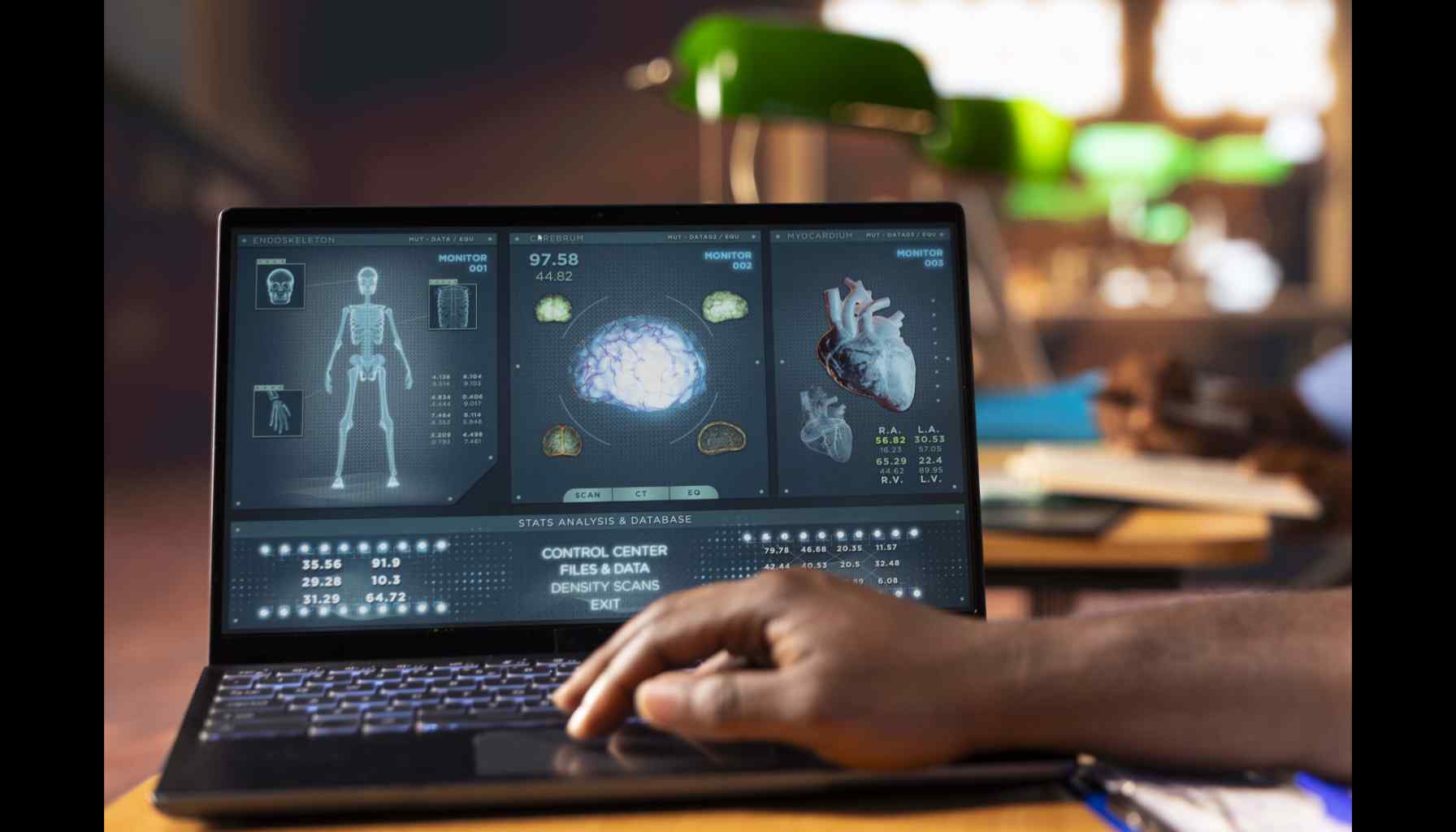
Using AI for better health
Artificial intelligence (AI) is rapidly becoming part of modern healthcare and everyday wellness. From helping doctors identify diseases to supporting people in tracking sleep, exercise and nutrition, AI can make health information more accessible and personalised. When used responsibly, it can encourage healthier habits, improve awareness and help people make informed decisions.
Understanding AI in Health
AI refers to computer systems that can analyse information, identify patterns and provide recommendations or predictions. In healthcare, AI can process large amounts of medical information, assist with diagnosis and support clinical decision-making. For individuals, AI-powered applications can help monitor physical activity, sleep patterns, heart rate and other health-related measurements.
However, AI should be considered a support tool rather than a replacement for qualified healthcare professionals.
AI for Preventive Health
One of the most valuable applications of AI is prevention. Wearable devices and health applications can collect information about daily activity, sleep, exercise and other lifestyle patterns. AI can analyse this information and provide reminders or suggestions that encourage healthier behaviour.
For example, an AI-powered fitness application may identify that a person is spending too much time sitting and suggest taking regular walking breaks. Similarly, sleep-monitoring technology may highlight irregular sleep patterns and encourage better sleep habits.
Personalised Nutrition and Fitness
AI can also help individuals develop more personalised lifestyle routines. Based on information such as dietary preferences, activity levels and personal goals, some applications can suggest meal ideas or exercise plans.
Nevertheless, nutritional and fitness recommendations should be viewed carefully. People with medical conditions, allergies, nutritional deficiencies or special dietary needs should consult appropriate professionals before making significant changes.
Supporting Mental Well-Being
AI-based tools can provide reminders for meditation, breathing exercises, journaling and relaxation. Some conversational applications can also encourage users to reflect on their emotions and practise healthy coping strategies.
These tools can be useful for general well-being, but they should not replace psychologists, psychiatrists, counsellors or other qualified professionals when someone is experiencing significant emotional or mental-health difficulties.
AI in Medical Care
Healthcare professionals increasingly use AI to assist with analysing medical images, identifying patterns in health data, supporting research and improving administrative processes. AI may help doctors work more efficiently and identify information that deserves closer attention.
Importantly, AI-generated health information can sometimes be incomplete, inaccurate or misleading. Medical decisions should therefore be based on appropriate professional evaluation rather than an AI response alone.
Using AI Responsibly
Getting the most benefit from AI requires privacy awareness and critical thinking. Users should understand what health information an application collects and how that information is stored or shared. Personal medical details should not be entered into unfamiliar platforms without considering their privacy practices.
AI works best when combined with healthy human choices. Regular physical activity, nutritious food, adequate sleep, preventive check-ups, meaningful relationships and professional medical care remain fundamental to good health.
Conclusion
AI has the potential to make health management more personalised, convenient and preventive. It can help people understand patterns, develop healthy habits and access useful information. However, technology should complement—not replace—human judgement and professional healthcare. Used thoughtfully, AI can become a valuable companion in the journey towards healthier living.
We wish you all the best in using AI for better health.
By Jamuna Rangachari
Discussion (0)
No comments yet. Be the first to comment!
Leave a Comment
You need to login to post a comment.