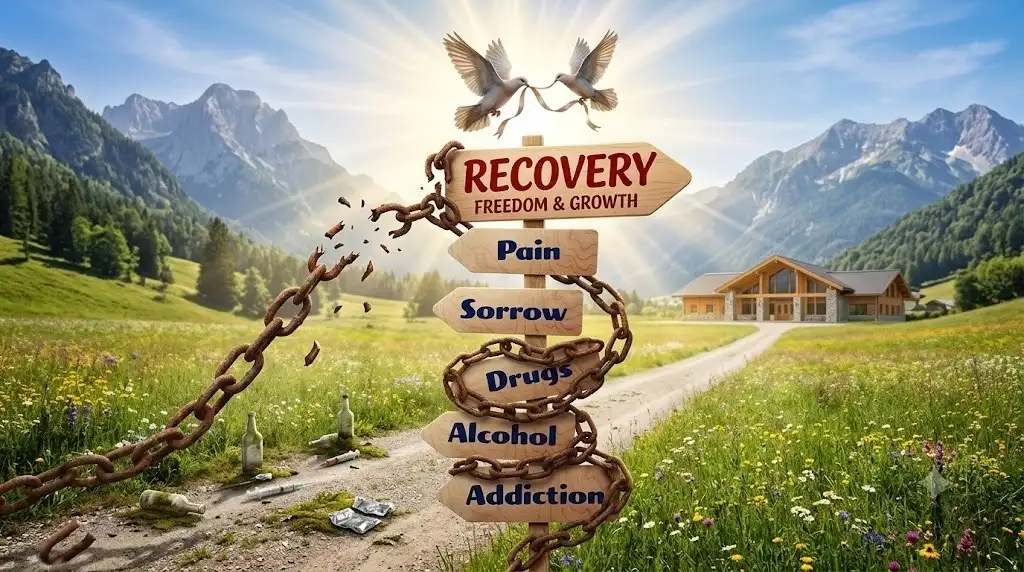
Freedom from Addiction
Introduction
Overcoming addiction is a structured and ongoing process that involves much more than simply deciding to stop using a substance or engaging in a harmful behavior. Addiction can affect the brain, body, emotions, relationships, work, finances, and everyday decision-making.
Seeking professional help is an important first step. Some forms of withdrawal can be medically dangerous, and abruptly stopping certain substances without medical supervision can create serious health risks.
Overcoming Addiction
Addiction recovery begins with understanding that addiction is not simply a failure of willpower. A comprehensive recovery approach may include medical evaluation, counseling, behavioral therapies, medication when appropriate, peer support, family involvement, and continuing aftercare. The goal is not merely to stop the addictive behavior temporarily but to develop the skills and support necessary for sustained recovery.
Understanding Addiction and Recovery
Physical, Emotional, and Behavioral Patterns
Addiction can involve physical, emotional, and behavioral changes. Physical dependence may develop with some substances, resulting in withdrawal symptoms when use is reduced or stopped. These symptoms can range from uncomfortable to medically dangerous, depending on the substance and the person's circumstances.
Emotionally, addiction may become connected with anxiety, sadness, irritability, loneliness, shame, or difficulty coping with stress. Some people initially use substances or engage in addictive behaviors as a way of escaping unpleasant feelings, which can reinforce the cycle.
Behavioral patterns may include secrecy, loss of control, neglect of responsibilities, repeated unsuccessful attempts to stop, and continuing despite harm.
Recognizing these patterns can help a person understand that recovery requires more than eliminating the immediate behavior. It also involves addressing the underlying factors that maintain it.
Triggers, Cravings and Relapse Risk
A trigger is something that increases the desire to use a substance or return to an addictive behavior. Triggers can be external, such as particular places, people, social situations, or objects. They can also be internal, such as stress, anger, boredom, loneliness, or difficult memories.
Cravings can feel powerful, but they are not permanent. Learning to recognize cravings without automatically acting on them is an important recovery skill.
Relapse risk may increase during periods of stress, exposure to previous environments, emotional distress, or overconfidence after a period of improvement. Identifying these risks in advance allows a person and their treatment team to develop a practical prevention plan.
The Role of Motivation and Readiness
Many people begin treatment while experiencing uncertainty or mixed feelings.
Motivation can strengthen through education, counseling, encouragement from others, and experiencing the benefits of healthier choices. A useful starting point is to identify personal reasons for recovery, such as improving health, rebuilding relationships, becoming more productive, or gaining greater control over daily life.
Core Methodology for Addiction Recovery
Professional Assessment and Personalized Planning
Recovery begins with an appropriate assessment. A qualified healthcare or addiction professional may evaluate substance use or addictive behavior, physical health, mental health, medications, family circumstances, previous treatment, and withdrawal risks.
This information helps determine the most suitable level of care. Treatment may involve outpatient counseling, intensive outpatient services, residential treatment, medical care, or other specialized programs.
A personalized plan should be practical and flexible. Recovery needs can change over time, so treatment may need to be adjusted as progress occurs.
Behavioral Therapy and Counseling
Behavioral therapy needs to be included in the treatment. Counseling can help individuals recognize thoughts, emotions, and situations associated with addictive behavior and develop healthier responses.
Approaches such as cognitive behavioral therapy can help identify unhelpful thinking patterns and replace them with more constructive behaviors. Motivational approaches can help strengthen a person's reasons for making positive changes.
Counseling may be individual, group-based, family-oriented, or a combination of these formats.
Medical Support and Medication-Assisted Treatment
For some substance-use disorders, medication can be an important part of treatment. Depending on the substance involved and the individual's medical situation, clinicians may use medications to reduce withdrawal symptoms, decrease cravings, or support long-term recovery. This needs to be monitored carefully, preferably by a professional.
Medical treatment can be particularly important when withdrawal carries significant health risks.
Peer Support and Recovery Communities
Recovery can become easier when a person does not feel alone. Peer-support groups provide opportunities to meet people who understand many of the challenges associated with addiction.
Recovery communities can provide encouragement, accountability, practical experience, and a sense of belonging. Different people benefit from different types of groups, so finding a supportive environment that feels appropriate can be valuable.
The Addiction Recovery Procedure
Initial Assessment and Treatment Planning
The first stage is usually an assessment of the person's addiction and overall health. Professionals can determine whether there are immediate medical concerns, withdrawal risks, mental health needs, or other factors requiring attention.
A treatment plan is then developed according to individual needs. The plan should identify treatment goals, appropriate services, people who can provide support, and methods for monitoring progress.
Withdrawal Management and Medical Supervision
Withdrawal occurs when the body reacts to reducing or stopping a substance to which it has become accustomed. Symptoms vary widely.
Some withdrawal syndromes can be severe or life-threatening. Alcohol and certain sedative medications are particularly important examples where sudden cessation may require medical supervision.
For this reason, self-detoxification should not be assumed to be safe. Medical professionals can assess risk and determine whether supervised withdrawal management is appropriate.
Active Treatment and Behavioral Change
After immediate withdrawal concerns are addressed, active treatment focuses on changing the patterns that contribute to addiction.
This may include counseling, behavioral therapy, medication, peer support, family involvement, and education. Individuals learn to recognize triggers, manage cravings, communicate more effectively, solve problems, and respond to difficult emotions without returning to addictive behavior.
Progress may not always be linear. Treatment can be adjusted when difficulties arise.
Aftercare and Long-Term Recovery
Recovery does not necessarily end when an intensive treatment program finishes. Continuing care can help maintain progress.
Aftercare may involve ongoing counseling, support groups, medical appointments, family support, healthy routines, and relapse-prevention planning.
Long-term recovery is strengthened when individuals continue practicing the skills developed during treatment and seek help early when warning signs appear.
Lifestyle Changes That Support Recovery
Healthy Sleep and Daily Structure
Addiction can disrupt sleep patterns and daily routines. Establishing regular sleeping and waking times can help create stability.
A predictable daily schedule can also reduce unstructured periods in which cravings or old habits may become stronger. Simple routines involving meals, work, exercise, relaxation, and sleep can provide a sense of order.
Healthy routines support recovery but should complement - not replace, with professional addiction treatment.
Nutrition, Hydration and Physical Activity
Regular nutritious meals and adequate hydration can support general physical well-being during recovery. Depending on the person's condition, a healthcare professional or dietitian may recommend addressing nutritional deficiencies or other health concerns.
Physical activity can also contribute to overall well-being and provide a healthy alternative to spending time in environments associated with addictive behavior. Walking, stretching, yoga, swimming, or other enjoyable activities may be useful.
Exercise should be appropriate for the individual's health and fitness level.
Stress Management and Emotional Regulation
Stress is a common trigger for addictive behavior. Learning healthy ways to manage stress is therefore an important recovery skill.
Breathing exercises, meditation, journaling, relaxation practices, creative activities, time in nature, and physical activity may help some people regulate emotions.
Counseling is particularly valuable when stress is connected with trauma, anxiety, depression, relationship difficulties, or other psychological concerns.
Healthy Relationships and Social Connection
Isolation can make recovery more difficult. Positive relationships can provide encouragement and accountability.
At the same time, some relationships may be closely associated with substance use or other addictive behaviors. Establishing appropriate boundaries and reducing exposure to harmful environments can be an important part of recovery.
Managing Triggers and Preventing Relapse
Identifying High-Risk Situations
A useful exercise is to identify situations that commonly precede addictive behavior. These might include particular social settings, conflicts, financial stress, loneliness, celebrations, fatigue, or exposure to substances.
Writing down these situations can help a person recognize warning signs before they become overwhelming.
Coping Strategies for Cravings
When a craving occurs, the immediate objective can be to create distance between the craving and the decision to act on it.
Possible strategies include contacting a trusted person, leaving a triggering environment, engaging in another activity, practicing a relaxation technique, attending a support meeting, or discussing the craving with a counselor.
Cravings often rise and fall rather than remaining at the same intensity indefinitely. Learning to tolerate and manage them is an important recovery skill.
Building Healthy Alternatives
Replacing an addictive habit with meaningful activities can make recovery more sustainable.
Healthy alternatives might include exercise, hobbies, volunteering, learning new skills, spending time with supportive people, creative pursuits, or purposeful work.
The goal is not simply to remain occupied but to build a life that provides genuine sources of satisfaction and meaning.
Relapse Prevention and Recovery Planning
A relapse-prevention plan can identify personal warning signs, high-risk situations, coping strategies, and people to contact when difficulties arise.
Slipping up does not mean that all progress has been lost. Responding quickly can reduce the likelihood of a lapse becoming a prolonged return to addictive behavior.
Building a Supportive Recovery Environment
Family and Trusted Support Networks
Supportive family members and trusted friends can play an important role in recovery. They can encourage treatment, provide practical assistance, and help create a stable environment.
However, family members should avoid taking responsibility for the entire recovery process. Addiction treatment is ultimately supported by professional care and the individual's own participation.
Professional Counseling and Accountability
Regular appointments with qualified professionals provide opportunities to review progress and address emerging problems.
Accountability does not mean criticism or punishment. It means having appropriate support for maintaining treatment goals and recognizing difficulties early.
Recovery-Friendly Daily Routines
A recovery-friendly environment can include regular meals, sufficient sleep, meaningful activities, safe relationships, treatment appointments, and limited exposure to known triggers.
Small consistent habits can gradually create a stable foundation for long-term recovery.
How to Go About Addiction Recovery
Recognizing the Need for Help
The first step may be recognizing that addictive behavior is affecting health, relationships, work, finances, or personal well-being.
A person does not have to wait until the consequences become severe. Begin early to look for solutions.
Choosing the Right Treatment Program
Treatment should match the individual's needs. Important considerations include the type and severity of addiction, withdrawal risk, physical health, mental health, treatment history, available family support, and practical circumstances.
Setting Realistic Recovery Goals
Recovery goals should be specific and achievable. Depending on the treatment plan, goals may involve attending appointments, developing coping skills, improving sleep, rebuilding relationships, or maintaining abstinence from a particular substance.
Progress can be measured through consistent healthy actions rather than expecting immediate perfection.
Maintaining Consistent Follow-Up
Regular follow-up is important because recovery needs can change. Continued support can identify problems before they become major setbacks.
Choosing Qualified Addiction Treatment Support
Treatment Credentials and Experience
When choosing professional support, check the qualifications, licensing, experience, and specialization of the healthcare professionals involved.
Treatment providers should be transparent about their approach, expected outcomes, costs, risks, and available services.
Individualized and Evidence-Based Care
Good treatment should be based on the individual's circumstances rather than a one-size-fits-all formula.
Evidence-based approaches can include behavioral therapies, appropriate medications, structured treatment programs, and continuing support. Be cautious of programs that promise an instant cure or guarantee permanent recovery.
Medical, Psychological and Social Support
Addiction can affect multiple areas of life, so comprehensive care may require more than one type of professional support.
Medical professionals can address physical health and medications. Mental health professionals can address psychological concerns. Counselors and peer-support networks can help with behavioral and social recovery.
An integrated approach can provide stronger support than relying on a single method.
Safety and Important Considerations
Risks of Unsupervised Withdrawal
Stopping certain substances suddenly can result in serious complications.
Therefore, people who may be physically dependent should seek medical advice before stopping or significantly reducing use. Detoxification should be approached according to the risks associated with the specific substance and the person's health.
Co-Occurring Mental Health Needs
There could be mental health needs along with addiction.
These conditions should be assessed and treated appropriately rather than assuming that addressing addiction alone will resolve every concern.
Integrated care can help address both substance use and associated psychological needs.
When Urgent Medical Help Is Required
Emergency medical help is appropriate when a person experiences severe or potentially life-threatening symptoms, loses consciousness, has difficulty breathing, experiences a seizure, develops severe confusion, or may have suffered an overdose.
Suspected overdose should be treated as a medical emergency. In such situations, contact local emergency services immediately and follow emergency medical guidance.
Frequently Asked Questions
Addiction Treatment Process
What does addiction treatment involve?
Treatment commonly begins with assessment and planning, followed when necessary by medically supervised withdrawal management. Active treatment may include counseling, behavioral therapy, medication, peer support, and family involvement. Aftercare helps maintain progress over the longer term.
Can addiction be overcome permanently?
Many people achieve sustained recovery, but addiction can involve an ongoing vulnerability to relapse. Continuing healthy habits, treatment, support, and early intervention when warning signs appear can help maintain recovery.
Managing Withdrawal and Cravings
Can I withdraw using something I am addicted to on my own?
Some forms of withdrawal can be dangerous, so it is important to seek professional medical advice rather than assuming t
Weekly Inspiration
Get our best articles and practices delivered to your inbox.



Discussion (0)
No comments yet. Be the first to comment!
Leave a Comment
You need to login to post a comment.