Burnout Stress: Proven Strategies for Professionals
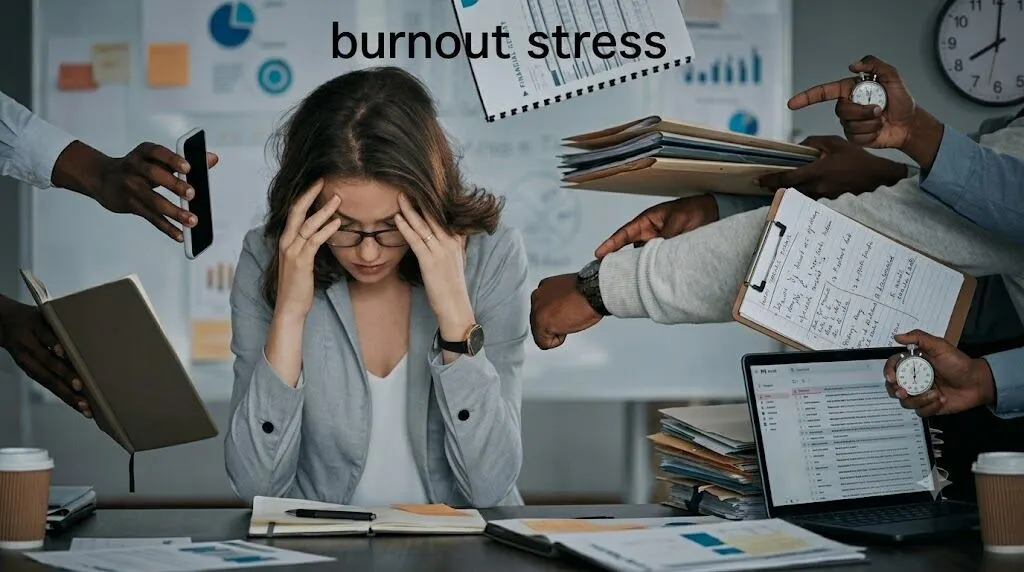
Burnout stress is a chronic physical, mental, and emotional exhaustion state caused by prolonged, unmanaged workplace pressure and relentless daily demands. Unlike routine stress, which often feels temporary, burnout stress drains motivation, erodes professional efficacy, and leaves individuals feeling completely depleted. Recognizing the early signs of overwork and implementing proactive, evidence-based coping mechanisms is essential for maintaining career sustainability and personal health.
Key Takeaways
- Chronic Exhaustion: Unchecked work pressure transforms manageable fatigue into persistent, deep-seated emotional and physical burnout.
- Proactive Boundaries: Establishing clear work-life boundaries prevents overcommitment and preserves cognitive energy reserves.
- Restorative Practices: Incorporating structured downtime and mindfulness restores parasympathetic balance and reduces nervous system strain.
Preventing Professional Burnout Stress
Experiencing prolonged burnout stress can severely impact an employee's productivity, immune function, and emotional stability.
The perpetual stress from work activates the fight-or-flight mechanism of the body, increasing cortisol secretion and resulting in overall fatigue. A stress management intervention strategy involves:
- Reducing cortisol: Reduction of the secretion of stress hormones to decrease physical stress and metabolism exhaustion.
- Improving Concentration and Mental Functioning: Blocking constant cognitive overload to enhance the capacity for sound judgment and problem-solving.
- Maintaining Emotional Reserve: Building up mental resistance to avoid emotional distance, cynicism, and hopelessness.
Key Strategies to Combat Burnout Stress
Learning to delegate daily responsibilities is an effective tactic for lowering burnout stress in high-pressure roles. The following table details six structured techniques designed to alleviate pressure, rebuild energy reserves, and prevent severe occupational burnout:
|
|
|
|
|
|
|
|
|
|
|
|
|
|
|
|
|
|
|
|
|
|
|
|
|
|
|
|
|
|
|
|
|
|
|
Step-by-Step Instructions
Implementing scheduled digital detaches helps professionals recover from acute burnout stress after demanding projects.
- Digital Detoxing: Switch off work emails and keep all your professional gadgets outside your room at least an hour before bedtime.
- Mini Breaks: Use an alarm to get up every 90 minutes to relax your body by stretching and giving your eyes time by looking at a distant object.
- Diaphragmatic Breathing: Sit down in a comfortable position, breathe in for 4 seconds while expanding your belly, then hold for 2 seconds, and exhale for 6 seconds.
- Task Management Technique (Eisenhower Matrix): Organize your tasks in four boxes in relation to their level of urgency and importance.
- Physical Exercise & Stretches: Do a 20-minute fast-paced walk in the open air in the middle of the day or do some spinal twists and shoulder rolls at your workplace.
- Work Boundaries: Practice declining a request or negotiating reasonable deadlines whenever your bandwidth is exhausted.
Conditions Managed with Burnout Stress Management
- Occupational Exhaustion: Reverses chronic fatigue by restoring daily physical and mental energy reserves.
- Workplace Anxiety: Reduces persistent worry, performance dread, and nervous tension associated with heavy workloads.
- Stress-Induced Insomnia: Calms an overactive mind to facilitate deeper, more restorative sleep cycles.
- Cognitive Fatigue ("Brain Fog"): Improves concentration, short-term memory, and mental processing speed under pressure.
Precautions
Overcoming chronic burnout stress requires consistent commitment to establishing clear boundaries between professional duties and personal life.
- Avoid Over-Reliance on Caffeine: Relying heavily on stimulants to push through fatigue further exhausts adrenal function and disrupts sleep architecture.
- Do Not Ignore Early Warning Signs: Chronic headaches, frequent illness, or sudden irritability indicate an urgent need to reduce workload intensity.
- Seek Professional Guidance: If emotional exhaustion leads to clinical depression or severe panic, consult a mental health practitioner immediately.
- Avoid Aggressive Multi-Tasking: Attempting to handle multiple complex tasks simultaneously increases error rates and amplifies feelings of overwhelm.
Final Thoughts
Organizations that prioritize mental wellness programs see a significant reduction in employee burnout stress. Handling the stress of burnout involves changing our mindset from reacting all the time to being proactive about taking care of ourselves and our boundaries. Through the practice of breaks, setting professional boundaries, and including relaxation techniques, we are able to protect ourselves physically and psychologically. Successful career development is based on a healthy foundation of well-being.
Frequently Asked Questions (FAQs)
1. How does burnout stress differ from regular job stress?
Regular stress typically involves a feeling of having "too much to do" with the expectation that things will improve once the workload clears. Burnout stress, however, is characterized by persistent emptiness, emotional exhaustion, cynicism, and a feeling that no amount of effort will make a difference.
2. Can taking a short vacation fully cure burnout stress?
While a vacation offers temporary relief, it rarely solves systemic burnout stress on its own. Long-term recovery requires changing daily working habits, setting firm boundaries, and adjusting ongoing lifestyle demands.
3. What are the physical symptoms of severe burnout stress?
Common physical symptoms include chronic fatigue, frequent tension headaches, gastrointestinal distress, and disrupted sleep patterns.
4. How long does it take to recover from burnout stress?
Recovery timelines vary depending on severity, ranging from a few weeks of dedicated rest and habit adjustment to several months of ongoing stress management and lifestyle realignment.
Also Read: Hydrotherapy in naturopathy
By Umesh Kumar Khiri
.jpg)

Discussion (0)
No comments yet. Be the first to comment!
Leave a Comment
You need to login to post a comment.