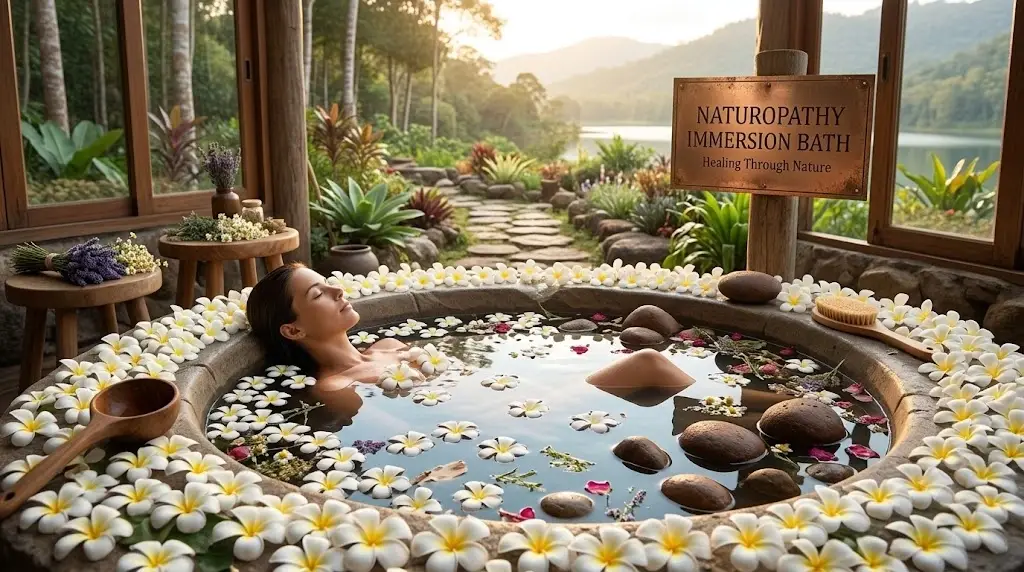
Immersion Bath in Naturopathy: Health Benefits
An immersion bath in naturopathy is an important part of hydrotherapy that works on circulation, the nervous system, and the detoxification process through controlled water temperatures. This naturopathy technique takes advantage of thermal and mechanical features like temperature variations and hydrostatic pressure of water to help release muscle tension and enhance cell function. Warm, cold, or neutral water can be used in an immersion bath as a non-invasive way to restore vitality and wellness.
Key Takeaways
- Circulatory Stimulation: Temperature changes encourage blood vessel dilation and constriction, boosting systemic circulation and oxygen delivery.
- Nervous System Regulation: Warm immersion calms sympathetic stress, while cold immersion sharpens mental focus and energy.
- Detoxification Support: Hydrostatic pressure and skin thermal stimulation support lymphatic drainage and natural metabolic waste elimination.
Understanding Immersion Bath in Naturopathy
A naturopathic immersion bath has many therapeutic benefits. This treatment is based on the physiological effects of warmth and hydrostatic pressure:
- Vasodilation & Vasoconstriction: Warmth causes vasodilation and increases the blood flow locally, whereas cold causes vasoconstriction and decreases swelling and inflammation.
- Distributive Effect of Hydrostatic Pressure: The pressure of water squeezes the body's tissue and promotes lymph flow, which reduces swelling of the legs.
- Balancing the Autonomic Nervous System: A warm bath helps decrease the high levels of stress hormone cortisol and slow the heart rate.
Key Types of Immersion Bath in Naturopathy
Learning proper hydrotherapy techniques ensures your immersion bath in naturopathy is both safe and deeply restorative. The following table details six common immersion bath applications used in naturopathic hydrotherapy:
|
|
|
|
|
|
|
|
|
|
|
|
|
|
|
|
|
|
|
|
|
|
|
|
|
|
|
|
|
|
|
|
|
|
|
How to Prepare a Naturopathic Immersion Bath at Home
A cold immersion bath in naturopathy acts as a powerful stimulant to awaken the nervous system.
- Prepare the Water: Fill a tub with fresh water that matches the temperature that you wish to have, which is warm, neutral, or cool, depending on the desired effect.
- Add Infusion: Optional: Add natural products such as Epsom salt, an infusion of chamomile or essential oils for better absorption and to ease relaxation.
- Enter the Water: Enter the water carefully while ensuring that your core region is submerged to allow even distribution of the heat.
- Deep Breathing: Breathe deeply and slowly through your nose to achieve maximum relaxation and better absorption of oxygen.
- Exit Gently: Rise up from the water gently to avoid dizziness from a change in blood circulation.
- Rest and Hydrate: Dry yourself gently and then put on comfortable clothing, drink some warm water, and rest for at least 10 to 15 minutes.
Health Risks Prevented by Immersion Bath in Naturopathy
Consistent use of an immersion bath in naturopathy supports lymphatic drainage and natural waste elimination.
- Chronic Muscle Tension: Prevents persistent muscular tightness, joint stiffness, and postural soreness through deep tissue warming.
- Poor Lymphatic Circulation: Helps prevent fluid retention and tissue swelling by utilizing natural hydrostatic pressure.
- Elevated Stress Levels: Reduces nervous exhaustion, insomnia, and high anxiety by shifting the body into a restorative parasympathetic state.
- Sluggish Metabolic Waste Removal: Aids the body's natural skin-cleansing pathways by opening pores and increasing surface blood flow.
Precautions
Follow these measures:
- Monitor Water Temperatures: Avoid excessively hot water to prevent skin burns, rapid dehydration, or heat exhaustion.
- Check Cardiovascular Health: Individuals with severe hypertension, heart conditions, or advanced diabetes should consult a physician before using extreme cold or hot immersion baths.
- Avoid Full Baths When Feverish: High thermal baths can artificially elevate core body temperature during active fevers; opt for neutral sponging instead.
- Limit Bath Duration: Keep sessions within recommended timeframes to prevent skin maceration or sudden blood pressure drops.
To Conclude
The addition of an immersion bath in naturopathy to your health care system becomes an efficient and convenient method of dealing with stress, enhancing your blood circulation, and relieving pain in your muscles. The use of water at a particular temperature depending on your body's unique needs allows you to stay healthy without using any chemicals.
Frequently Asked Questions (FAQs)
1. What is the main aim of taking a naturopathic immersion bath?
Naturopathic immersion bath promote circulation, help relax the nervous system, alleviate muscle pain, and induce natural cell cleansing by using the temperature and pressure of water.
2. How many immersion baths can you take in naturopathy?
Neutral or warm immersive baths may be used 2 to 3 times per week for general well-being and stress reduction. Immersive treatments of particular types need to be conducted according to the recommendations of a professional hydrotherapist.
3. How do full immersion baths differ from sitz baths?
In a full immersion bath, a person immerses the whole body up to the chest level, while in a sitz bath only the hip area is targeted to improve circulation and organ functioning.
4. Is it possible to put some ingredients into an immersion bath?
You can include natural ingredients such as Epsom salts, decoctions of herbs (neem or chamomile), or pure essential oils in the water.
Disclaimer: The content on LifePositive.com, including articles/blogs on yoga, acupuncture, naturopathy, and other alternative healing modalities for holistic wellness, is for informational and educational purposes only. It is not a substitute for professional medical advice, diagnosis, or treatment. Always consult a qualified healthcare provider before starting any new health protocol or making changes to an existing treatment plan.
Also Read: Hyperthyroidism naturopathy treatment
By Umesh Kumar khiri
.png)

Discussion (0)
No comments yet. Be the first to comment!
Leave a Comment
You need to login to post a comment.