Yoga for Tension Relief
Modern-day life tends to induce stress that impacts our health. There might be some subtle accumulation of tension throughout the day. The result might be tense shoulders, a stiff neck, and a mind unable to rest. The solution provided by yoga is the interruption of this process through the combination of light movements, breathing exercises, and meditation. Instead of pushing your body to go beyond its limits, a tension-release yoga technique aims at bringing comfort to your movements and letting your nervous system have some time to rest.
Yoga Poses for Tension Relief
|
|
|
|
|
|
|
|
|
|
|
|
|
|
|
|
|
|
|
|
|
|
|
|
Benefits of Yoga for Tension Relief
|
|
|
|
|
|
|
|
|
|
|
|
|
|
|
|
|
|
|
|
|
|
|
|
How to Practise Yoga for Tension
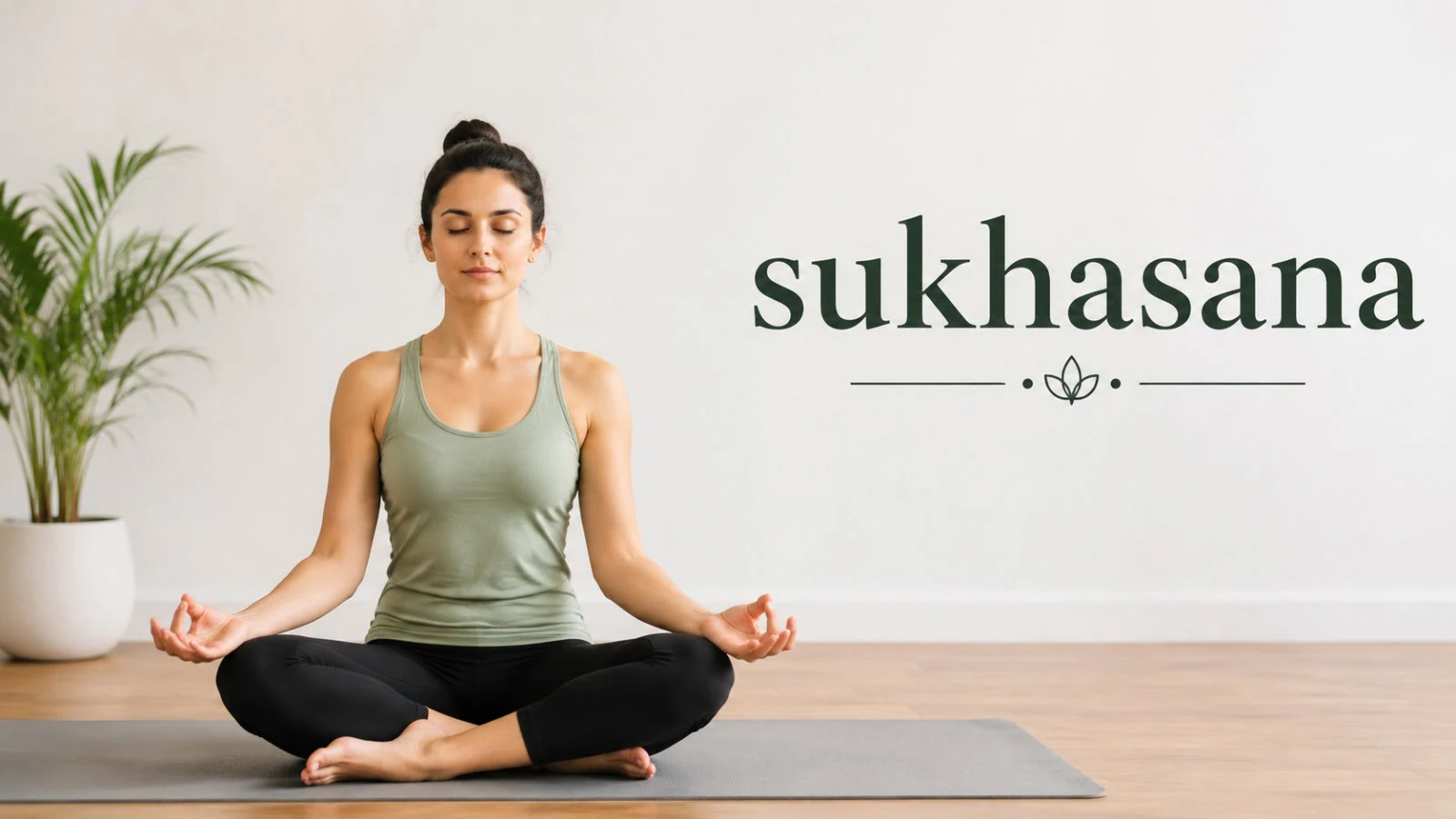
The session for releasing tension does not have to be physically draining. Start the Yoga session with a couple of minutes of breathing exercises like Pranayama, followed by Bitilasana stretches, and proceed to Balasana, and finally spend some time in Sukhasana or Viparita Karani.
Remember to perform exercises slowly and carefully rather than stretching as far as possible. Breathing should also remain natural; it is not a competition between you and your body. The main thing is to feel more relaxed after the session, not reach a certain position.
Precautions
- Do not ever push yourself into any pose.
- If you feel any kind of sharp pain or even dizziness, stop immediately.
- In the Downward-Facing Dog, keep your knees slightly bent if extending your knees causes you pain.
- Place cushions, bolsters, or blankets to make the restorative poses comfortable for you.
- When transitioning from sitting, standing, and lying down poses, move slowly.
- Those who have preexisting medical conditions should consult relevant professionals.
- If you have persistent tension with severe pain, consult a doctor.
To Conclude
Tension usually takes time to build up; therefore, relief can be found using some holistic practices. It only takes a few conscious actions in order to provide a moment of peace between the stress-filled day and the time when the body needs to heal. Through the use of yoga poses such as Balasana, Sukhasana, and Viparita Karani, you will have more chances to do so.
The most important thing is to find an exercise that you will be able to practice without difficulty. Just breathe deeply, move consciously, and let relaxation, not perfection, be your goal.
FAQs
1. What yoga pose helps to release tension?
Balasana, Sukhasana, and Viparita Karani are some of the soft poses that can be included in the relaxing yoga routine.
2. Can I do yoga as an exercise to relieve tension at work?
Yes. Some simple actions, like soft stretches, shoulder and hip exercises, and breathing techniques, can be incorporated in brief office breaks. The more complicated poses can be done at another time in a proper place.
3. Is yoga beneficial for me if my tension is caused by sitting in one position for many hours?
Soft yoga can be good to prevent stiffness of the spine, shoulders, and hips from too much sitting. It is important to take regular breaks.
4. Should the yoga for relieving tension be hard?
No. A very hard practice can be unnecessary if you aim at relaxation. It is better to do soft exercises and stretching in case of a tense body and mind.

Discussion (0)
No comments yet. Be the first to comment!
Leave a Comment
You need to login to post a comment.