Yoga for Palpitations: 5 Poses for a Calmer Heart
Yoga for palpitations offers a gentle, grounding way to calm your body when that sudden, unsettling flutter or racing sensation hits your chest. Because your heart rate is so deeply tied to your feeling of safety, even a momentary sense that your heart has skipped a beat can instantly trigger anxiety and panic.
This is where gentle yoga for palpitations can make a profound difference. By shifting your body out of "fight-or-flight" and into a state of deep restorative rest, slow movement and intentional breathing help down-regulate the nervous system and steady a stress-weary heart. However, unexplained or recurring palpitations should always be medically evaluated before assuming they are stress-related.
Key Takeaways
- Stress Relief: Practice yoga for palpitations to calm your nervous system when symptoms are stress-related.
- Gentle Techniques: Focus on restorative poses and slow breathing like Bhramari, and avoid forceful practices or breath-holding.
- Medical First: Always get unexplained or recurring heart palpitations evaluated by a doctor before starting a routine.
Understanding Yoga For Palpitations
While palpitations can stem from physical triggers like excess caffeine, dehydration, sleep deprivation, or underlying medical conditions, they are very often your body’s alarm system reacting to high stress and an overburdened nervous system. When your mind is in overdrive, your heart inevitably reflects that tension.
Gentle yoga breathing practices may help people whose palpitations are associated with stress or heightened nervous-system activity. The Habuild guide recommends calming pranayama and restorative postures rather than intense practices. Importantly, yoga should be considered complementary support, not a treatment for an underlying heart rhythm disorder.
5 Common Poses of Gentle Yoga for Palpitations
Some of the common yoga poses for heart health are as follows:
|
|
|
|
|
|
|
|
|
|
|
|
|
|
|
|
|
|
|
|
|
|
|
|
|
|
|
|
|
|
Benefits of Yoga for Palpitations
Regular sessions of gentle yoga for palpitations can have a lot of benefits.
|
|
|
|
|
|
|
|
|
|
|
|
|
|
|
|
|
|
A Simple Routine
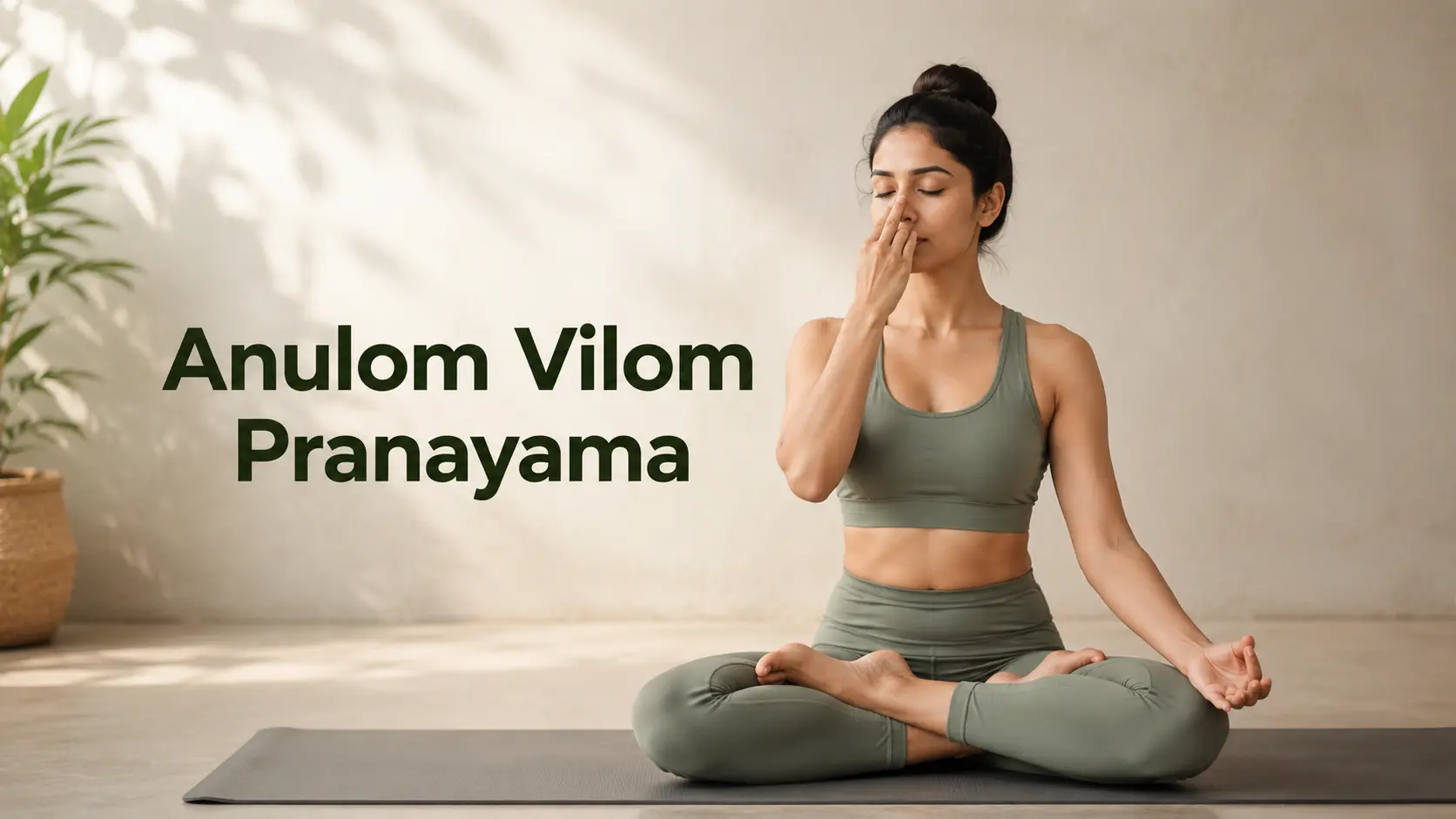
Start off with a comfortable sitting position, and then practice some rounds of Bhramari Pranayama. This needs to be followed up with Anulom Vilom Pranayama, which must have smooth and natural breathing with no forced retention of breath.
Follow that up with Balasana as a way to relax, and continue with Setu Bandhasana if comfortable. End the routine with Viparita Karani, and just allow breathing to become natural once again.
It is important not to strain oneself nor force anything in terms of manipulating one’s heartbeat.
Precautions
- Do not make assumptions about the cause of palpitations without proper evaluation.
- Avoid vigorous breathing exercises if such exercises bring on symptoms.
- Do not hold your breath while performing practice.
- Stop immediately if there is any chest pain, difficulty breathing, dizziness, or increased palpitations during exercise.
- Avoid strenuous yoga or inverted positions unless advised to do so medically.
- Those with known heart problems should practice under medical supervision.
- Continue treatment for the heart unless instructed otherwise by your doctor.
To Conclude
Palpitations are definitely scary, especially when they occur suddenly. Although yoga cannot detect or resolve the reason behind them, asanas like Bhramari Pranayama, Anulom Vilom, Balasana, Viparita Karani, and Setu Bandhasana could be included in the program of relaxation for adequately diagnosed stress-related symptoms. Yoga for palpitations can provide relief from fatigue.
The main thing is safety. Pay attention to your body, do not practice vigorous breathing and movements, and definitely do not use yoga instead of cardiac assessment. In case of medical necessity, gentle yoga for palpitations could be used as a relaxation technique.
FAQs
1. Does yoga completely stop heart palpitations?
Yoga breathing techniques can help in cases where palpitations are caused by stress; however, cardiac issues will need professional care and treatment.
2. What is the right kind of pranayama for palpitations?
Gentle Anulom Vilom and Bhramari Pranayama are usually recommended. These should always be done without any force in breathing and holding of the breath.
3. What yoga practices should I avoid?
Difficult inverted poses and advanced yoga may not be suitable for all patients with palpitations.
Disclaimer: The content on LifePositive.com; including articles/blogs on yoga, acupuncture, naturopathy, and other alternative healing modalities for holistic wellness, is for informational and educational purposes only. It is not a substitute for professional medical advice, diagnosis, or treatment. Always consult a qualified healthcare provider before starting any new health protocol or making changes to an existing treatment plan.
Also Read: Types of Yoga
By Umesh Kumar Khiri


Discussion (0)
No comments yet. Be the first to comment!
Leave a Comment
You need to login to post a comment.