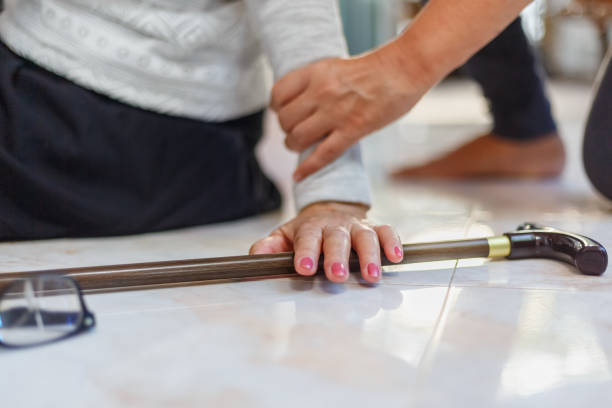
In New York State, When Is A Landlord Legally Responsible for a Slip and Fall Injury?
Slip and fall injuries on rental property can cause serious harm to victims. New York State law holds landlords to a clear standard of care for buildings. When a known danger goes unaddressed, and someone falls, legal responsibility may arise. Proving liability means showing what the landlord knew and how they responded. If you were hurt on a rental property, the Law Office of Friedman, Levy, Goldfarb, and Green can help. Understanding what the law actually allows you to do puts you in a much stronger position from the start.
What Duty of Care Do New York Landlords Owe?
New York law requires landlords to maintain properties free from dangerous conditions. This duty covers hallways, stairwells, and shared areas where tenants and guests walk. A property owner must find and fix hazardous conditions within a reasonable time. The duty covers guests and visitors, not only people named on a lease. Attorneys who handle landlord slip cases know how to show that a landlord ignored a known danger. That kind of negligence is usually at the heart of these claims.
How Does Notice Affect a Landlord Liability Claim?
Notice is a key issue in every slip and fall claim against a landlord. Actual notice means the landlord was told about the dangerous condition before the fall. Constructive notice applies when a hazard was present long enough to be discovered. Courts review maintenance logs, complaints, and inspection records to determine what a landlord knew. A landlord who knew of the hazard and did nothing faces legal liability. Whether your landlord knew about the hazard often determines whether your case can move forward.
Which Conditions Most Often Lead to Landlord Liability in New York?
Broken flooring, poor lighting, and loose handrails appear frequently in New York fall cases. Snow and ice left on walkways create a serious risk for tenants and visitors. Code violations issued by city inspectors create a documented record of a landlord's neglect. When a landlord knows about a hazard and does nothing, they can be held legally responsible for what happens. Evidence collected right after a fall is often what makes or breaks a case, so acting quickly matters.
Can a Lease Shield a Landlord From Slip and Fall Liability?
Some landlords argue that lease terms can reduce their legal responsibility for injuries. Courts have held that a lease cannot override a landlord's duty of care. Lease terms may shift maintenance duties to a tenant and affect liability assignments. An attorney reviewing the lease can identify provisions that might affect the claim's outcome. Whether you're a tenant or a guest, you have legal rights that a lease can't simply erase. Talking to an attorney before you do anything can help you understand exactly where you stand.
What Should an Injured Person Do After a Fall on Rental Property?
Anyone hurt on rental property should start preserving evidence as quickly as possible. Getting medical care promptly creates a record connecting the injuries to the incident. Scene photographs of the hazard can become critical evidence in any future legal proceeding. Witnesses to the fall or the dangerous condition should be identified without delay. New York has strict deadlines for filing a personal injury claim, and missing one can cost you everything. Getting to an attorney early helps protect your evidence and keeps your options alive.
To win one of these cases, you generally need to show the landlord knew about the problem and did nothing. The stronger your evidence, the better your chances. New York law is on your side when a landlord cuts corners on basic safety. Every situation is different, but waiting too long can seriously hurt your case. An experienced attorney knows how to build a claim that holds negligent landlords accountable. If you were hurt, the most important thing you can do right now is act.


Discussion (0)
No comments yet. Be the first to comment!
Leave a Comment
You need to login to post a comment.