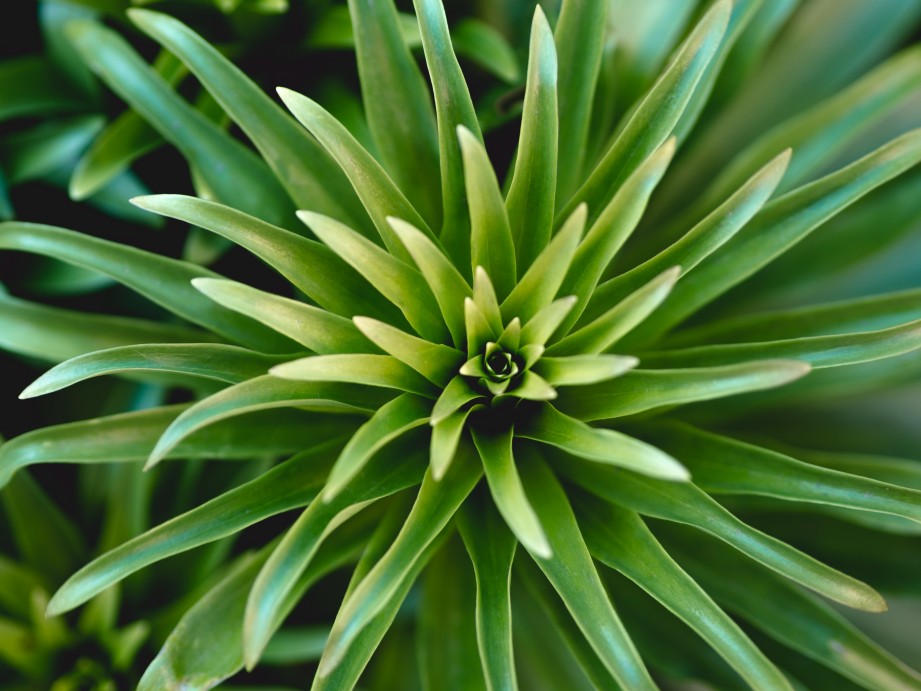
A desert plant offers paper alternative
A desert plant, hesperaloe, offers an alternative to paper. It can be used as
Paper pulp: Hesperaloe leaf fibers can be processed into pulp and blended with recycled paper or other plant fibers.
Handmade paper: It may work well for textured, stronger specialty papers.
Packaging: The fiber could potentially substitute for some wood pulp in molded fiber products.
Full replacement: 100% Hesperaloe paper may be technically possible, but processing, fiber length, pulping method, and cost would determine whether it is practical.
In fact, a number of promising alternatives to wood fibre are emerging, particularly from agricultural byproducts and fast-growing plants. These materials can be used to produce packaging, building materials, and engineered wood products while reducing the pressure on forest resources.
Paludiculture Plants (Reeds, Sedges)
Sustainable packaging, pulp for paper production
Lower lignin content than wood, requiring fewer chemicals and less energy for pulping. Produces stable fibre networks.
Agricultural Residues (Straw, Corn Stalks)
Particleboard, fibreboard, lightweight materials
Includes oat/barley straw and corn stalks. Requires hot-pressing for effective bonding but can achieve properties similar to wood fibre webs.
Industrial Hemp Shives
Particleboard, fibreboard (MDF), bio-based panels
A byproduct of hemp fibre production. Offers good moisture resistance in boards. Can be used as a partial or full substitute for wood particles.
Bamboo & Coir
Concrete formwork, structural panels, construction materials
Fast-growing bamboo has high strength. Coir (coconut fibre) is lightweight and abundant. Hybrid panels can offer a sustainable and low-cost alternative to timber formwork.
? How Do These Alternatives Compare to Wood?
Packaging and Pulp: Plants like reeds have a lower lignin content than wood, the natural "glue" in plant cell walls. This means they require significantly less energy and fewer chemicals to break down into pulp, offering environmental benefits in manufacturing.
Engineered Wood Products: Agricultural residues and hemp shives are being successfully researched as substitutes in particleboard and fibreboard. Research suggests that substituting up to approximately 30% of wood with these alternatives can produce panels with the required strength properties. Hemp-based boards have even demonstrated potential for load-bearing applications, with mechanical properties comparable to engineered wood.
Specialty Applications: Bamboo-coir composites offer specific advantages for applications like concrete formwork, where their lightweight and high strength-to-weight ratio can reduce the cost and weight compared to traditional materials.
? What Are Some Important Considerations?
Processing and Bonding: Not all agricultural residues bond easily. Some, like straw, require additional processing like hot-pressing to achieve effective fibre bonding. The presence of natural waxes on some materials (e.g., wheat straw) or longer fibres (e.g., from hemp or flax) can also interfere with resin bonding, although refined processing methods can mitigate these issues.
Performance and Quality: While many alternatives show great promise, factors like particle size, adhesive type, and processing parameters (temperature and pressure) are crucial for achieving consistent and reliable product quality that meets industry standards.
We hope something emerges soon for sustainable growth,
By Jamuna Rangachari


Discussion (0)
No comments yet. Be the first to comment!
Leave a Comment
You need to login to post a comment.