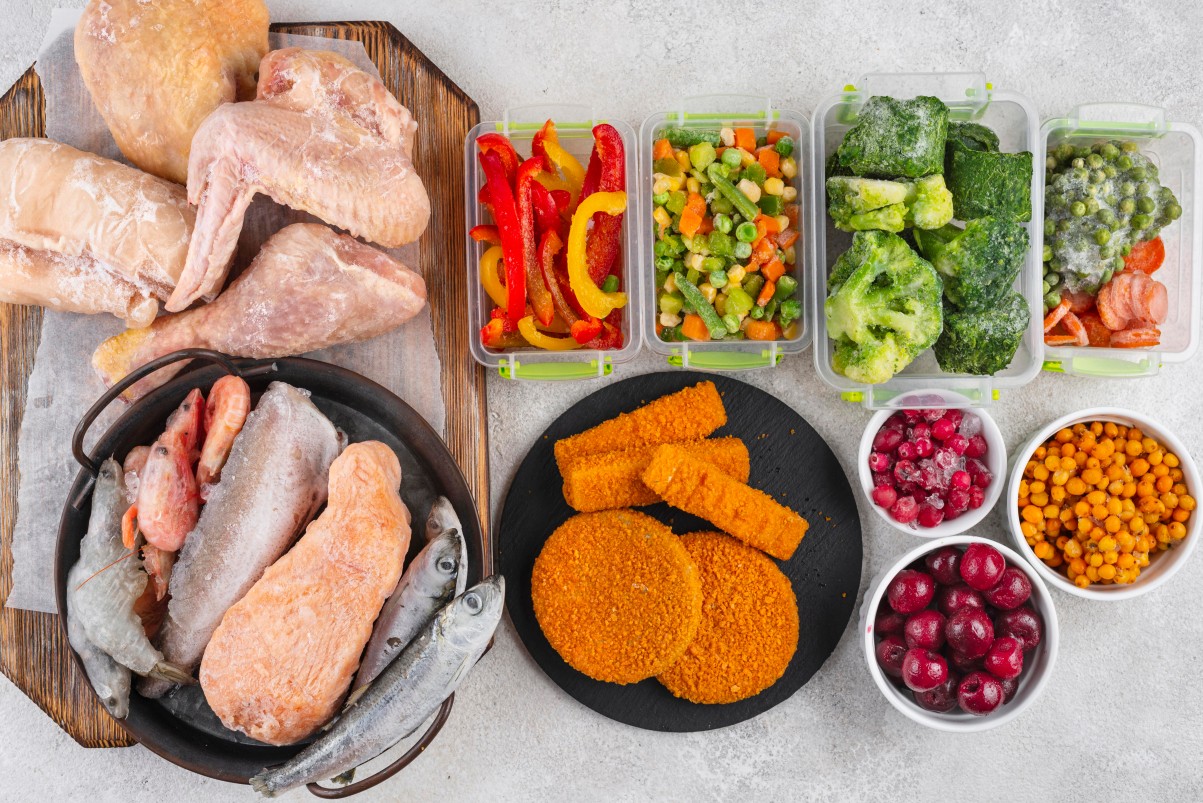
Processed food and risk of cancer
This is an excellent and important question. The short answer is: Yes, a large and consistent body of scientific evidence shows that a high consumption of ultra-processed foods is associated with an increased risk of several types of cancer, most notably colorectal (bowel) cancer.
However, the relationship is nuanced. Let's break down the evidence, the specific risks, and the likely reasons why.
The Key Scientific Consensus
Major health organizations, including the World Health Organization (WHO), the American Cancer Society, and the World Cancer Research Fund (WCRF), have reviewed the evidence.
-
WHO's International Agency for Research on Cancer (IARC) classifies processed meat as "Group 1: Carcinogenic to Humans." This is the same category as tobacco and asbestos, but it is crucial to understand this refers to the strength of the evidence that it causes cancer, not that it is equally as dangerous as smoking in terms of risk magnitude.
-
The WCRF states there is "strong evidence" that consuming processed meat increases the risk of colorectal cancer. They also find evidence, though not as strong, linking a "Western-style diet" (high in processed foods, red meat, and sugar) to other cancers like stomach and breast cancer.
Which Processed Foods Are Most Risky?
"Processed food" is a broad term. The risk isn't the same for all types. The most concerning category is ultra-processed foods (NOVA classification group 4).
Highest Risk (Strongest Evidence):
-
Processed Meats: Bacon, sausages, hot dogs, ham, salami, corned beef, beef jerky, canned meats, and meat-based sauces.
-
Sugary Drinks & Artificially Sweetened Drinks: Sodas, fruit drinks (not 100% juice), sweetened iced teas.
Moderate Risk (Growing Evidence):
-
Packaged Savory Snacks: Chips, cheese puffs, flavored popcorn.
-
Sugary Cereals & Breakfast Bars.
-
Mass-produced packaged breads and buns.
-
Chicken nuggets and other reformed meat/fish products.
-
Instant noodles and soups.
What Types of Cancer Are Linked?
The evidence is strongest for:
-
Colorectal Cancer (Bowel Cancer): This is the most consistent and significant link. For every 50 grams of processed meat eaten daily (about 2 slices of ham or 1 hot dog), the risk of colorectal cancer increases by about 18% .
-
Breast Cancer: Several large studies (including the NutriNet-Santé study in France) have found a 10-20% higher risk of breast cancer among people with the highest consumption of ultra-processed foods.
-
Prostate Cancer: Some studies show a link, though the evidence is less consistent than for colorectal or breast cancer.
-
Pancreatic, Stomach, and Ovarian Cancer: Emerging evidence suggests possible links, but more research is needed.
Why Do Processed Foods Increase Cancer Risk? The Mechanisms
It's rarely one single ingredient but a combination of factors:
-
N-Nitroso Compounds (NOCs): These are powerful carcinogens formed during the processing of meats (using nitrates/nitrites as preservatives and for color). They directly damage the DNA in cells lining the colon. (Primary reason processed meat is so risky)
-
Heterocyclic Amines (HCAs) & Polycyclic Aromatic Hydrocarbons (PAHs): These form when meat is cooked at high temperatures (grilling, frying, smoking) – a common method for processed meats like bacon or sausages.
-
Advanced Glycation End-products (AGEs): These are harmful compounds formed when sugars and proteins react during high-heat processing. They cause inflammation and oxidative stress, which can drive cancer development.
-
Hormones & Growth Factors: High consumption of dairy and meat from conventionally raised animals can introduce exogenous hormones (like IGF-1), which can promote the growth of certain cancers.
-
Dietary Displacement: A diet high in processed foods is typically low in fiber, antioxidants, and phytochemicals found in fruits, vegetables, and whole grains. Fiber is crucial for moving waste through the colon and feeding beneficial gut bacteria that protect against cancer.
-
Additives & Contaminants: Some emulsifiers (e.g., carboxymethylcellulose, polysorbate 80) have been shown to alter gut bacteria in ways that promote inflammation and cancer in animal studies. Contaminants from packaging (like BPA or PFAS) may also play a role.
-
Obesity & Metabolic Syndrome: Processed foods are calorie-dense and engineered to be overeaten, leading to weight gain. Obesity itself is a major risk factor for at least 13 types of cancer (including breast, colon, kidney, and liver).
Important Nuances & Perspective
-
Dose-Response Relationship: The risk increases with the amount you eat. An occasional hot dog or slice of bacon at a weekend barbecue is very different from eating processed meat or drinking soda daily.
-
Overall Diet Matters: The risk from processed meat is significantly higher in people who also have a low-fiber diet (few vegetables, fruits, whole grains). A healthy dietary pattern can mitigate some, but not all, of the risk.
-
Not All Processing is Equal: Freezing vegetables, pasteurizing milk, or milling flour is processing. These are not the issue. The problem is ultra-processing – industrial formulations made mostly from substances extracted from foods (oils, sugars, starches, proteins) and cosmetic additives.
Practical Recommendations: What You Can Do
-
Drastically Reduce or Eliminate Processed Meats. This is the single most impactful change. Replace bacon with eggs or avocado, ham sandwiches with chicken or tuna salad (made from fresh-cooked chicken), and hot dogs with grilled chicken or bean burgers.
-
Limit Sugary Drinks. Switch to water, unsweetened tea, seltzer, or coffee.
-
Cook from Scratch More Often. You control the ingredients. Use fresh or frozen meat, poultry, and fish instead of breaded nuggets or sausages.
-
Read Ingredient Lists (Not Just Nutrition Facts). If a product has a long list of unpronounceable items (e.g., sodium tripolyphosphate, DATEM, soy lecithin, artificial colors), it's ultra-processed.
-
Focus on Fiber. Eat plenty of vegetables, fruits, legumes (beans, lentils), and whole oats, brown rice, quinoa. Fiber helps dilute carcinogens and speeds up their transit through the gut.
-
Don't Panic Over a Single Meal. Cancer risk is about long-term patterns, not perfect compliance. The goal is to make healthy eating your default, not to live in fear.
Conclusion
The risk is real and scientifically supported, particularly for colorectal cancer and processed meats. The overall evidence for a broader category of "ultra-processed foods" and other cancers (breast, prostate) is strong and growing.
The key takeaway is not to fear all processed food, but to make processed meats and sugary drinks an occasional treat rather than a daily staple, and to build your diet around whole or minimally processed foods. This is a cornerstone of cancer prevention and overall health.
By Jamuna Rangachari

.jpg)

Discussion (0)
No comments yet. Be the first to comment!
Leave a Comment
You need to login to post a comment.