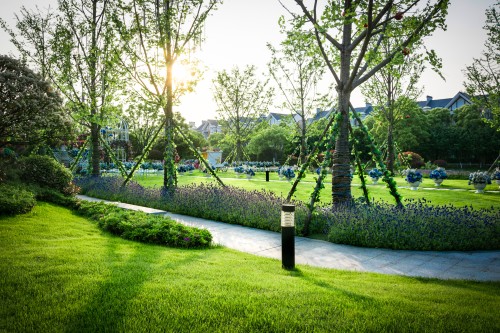
UK encourages biodiversity in parks
Near Chelsea College of Arts in London, UK, a 10-metre ‘urban greening’ structure that uses natural materials in construction to support biodiversity has been opened.
Biodiversity (the variety of plants, animals, and microorganisms in an ecosystem) provides many important benefits:
Maintains ecological balance – Different species help keep ecosystems stable and functioning properly.
Provides food and medicine – Many crops, fruits, vegetables, and medicines come from plants and animals.
Supports pollination – Bees, butterflies, birds, and other animals pollinate crops, increasing food production.
Improves soil fertility – Microorganisms and earthworms recycle nutrients, making soil healthier.
Purifies air and water – Forests, wetlands, and other ecosystems help clean the air and filter water.
Regulates climate – Trees and plants absorb carbon dioxide, helping reduce global warming.
Provides economic benefits – Biodiversity supports agriculture, fisheries, forestry, tourism, and many industries.
Protects against natural disasters – Mangroves, forests, and coral reefs reduce the impact of floods, storms, and erosion.
Supports scientific research – Diverse species provide opportunities for discoveries in medicine, agriculture, and technology.
Offers cultural and recreational value – Nature enhances recreation, tourism, and cultural traditions while improving mental well-being.
Biodiversity is essential for healthy ecosystems, human survival, economic development, and environmental sustainability.
In urban areas, this offers a lot of benefits for all the people too.Parks play an important role in improving the quality of life in cities. Some key benefits of parks in urban spaces include:
Improved air quality: Trees and plants absorb carbon dioxide, release oxygen, and help filter pollutants from the air.
Better physical health: Parks provide spaces for walking, jogging, cycling, sports, and other outdoor activities, encouraging an active lifestyle.
Mental well-being: Green spaces help reduce stress, anxiety, and depression while promoting relaxation and improving mood.
Temperature regulation: Trees provide shade and reduce the urban heat island effect, making cities cooler during hot weather.
Community interaction: Parks serve as gathering places where people can socialize, participate in events, and strengthen community relationships.
Support for biodiversity: Parks provide habitats for birds, insects, and other wildlife, helping maintain ecological balance.
Stormwater management: Vegetation and soil absorb rainwater, reducing flooding and easing pressure on drainage systems.
Economic benefits: Attractive parks can increase nearby property values, encourage tourism, and support local businesses.
Recreation and leisure: Parks offer safe spaces for picnics, playgrounds, cultural activities, and family outings.
Educational opportunities: Parks allow people to learn about nature, conservation, and local ecosystems through outdoor experiences.
Overall, urban parks make cities healthier, more sustainable, and more enjoyable places to live by benefiting people, the environment, and the local economy.
Both these steps have been taken by UK. While wishing them all the best, we also hope others too follow suit.
By Jamuna Rangachari


.jpg)
Discussion (0)
No comments yet. Be the first to comment!
Leave a Comment
You need to login to post a comment.