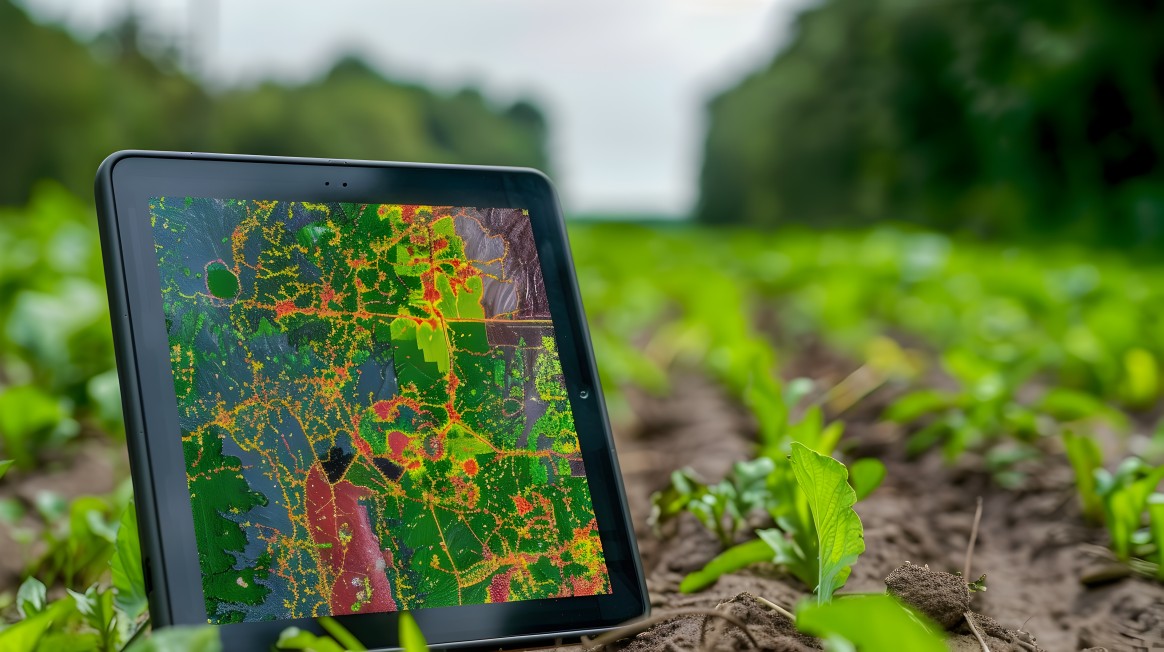
UK uses precision agriculture to aid farmers
Putting slugs on maps is a game-changer for farmers because it enables a shift from blanket pest control to highly targeted, precision agriculture. This approach is driven by two key insights: slugs naturally cluster in specific "hotspots" within a field , and these patches are often stable over time .
This new technology helps farmers in several significant ways:
? Save Money and Reduce Chemical Use
Traditional slug control often involves spreading pellets across an entire field, which is inefficient and costly. By using maps to identify high-risk zones, farmers can apply treatments only where they are needed most.
Dramatic Reduction in Pellets: Trials have shown that using these precision maps can reduce slug pellet use by an average of 50% compared to traditional methods .
Targeted Applications: The ultimate goal is to integrate these maps with GPS-controlled machinery, allowing farmers to automatically vary application rates as they move across the field. This eliminates wasted product on areas with little to no risk .
? Better for the Environment
This precision approach is not just good for the farmer's wallet; it's also more sustainable. Using fewer chemical pellets means less pesticide is released into the environment, which helps protect biodiversity and is better for the soil and surrounding ecosystem .
? Make Decisions Based on Data, Not Guesswork
Instead of relying on intuition, farmers can make informed decisions using data.
Pinpointing the Problem: Maps help remove the guesswork. One farmer noted that the maps confirmed his expectations but also highlighted risk areas he hadn't considered, showing the value of the science behind it .
Improved Monitoring: Technologies like AI and multispectral imaging can automate the labor-intensive process of monitoring for slugs, giving farmers a clear picture of slug populations without spending hours in the field with traps .
? How the Technology Works
This capability is the result of major research projects like SLIMERS and SlugBot, which bring together a combination of technologies:
Predictive Models: Researchers have developed models that can predict where slug hotspots are likely to form based on factors like soil texture, moisture, and organic matter . This can be combined with data farmers already collect for other precision farming tasks .
AI-Powered Detection: Robots and AI are being developed to autonomously detect and map slugs in the field using specialized cameras (multispectral imaging) .
? Is This Science Fiction?
This technology is already being tested in the field. For example, a network of 28 "Slug Sleuth" farmers in the UK has been helping to refine these prediction maps on their own commercial farms . The results are promising enough that farmers are gaining confidence in the system's ability to guide their decisions .
By Jamuna Rangschsri



Discussion (0)
No comments yet. Be the first to comment!
Leave a Comment
You need to login to post a comment.