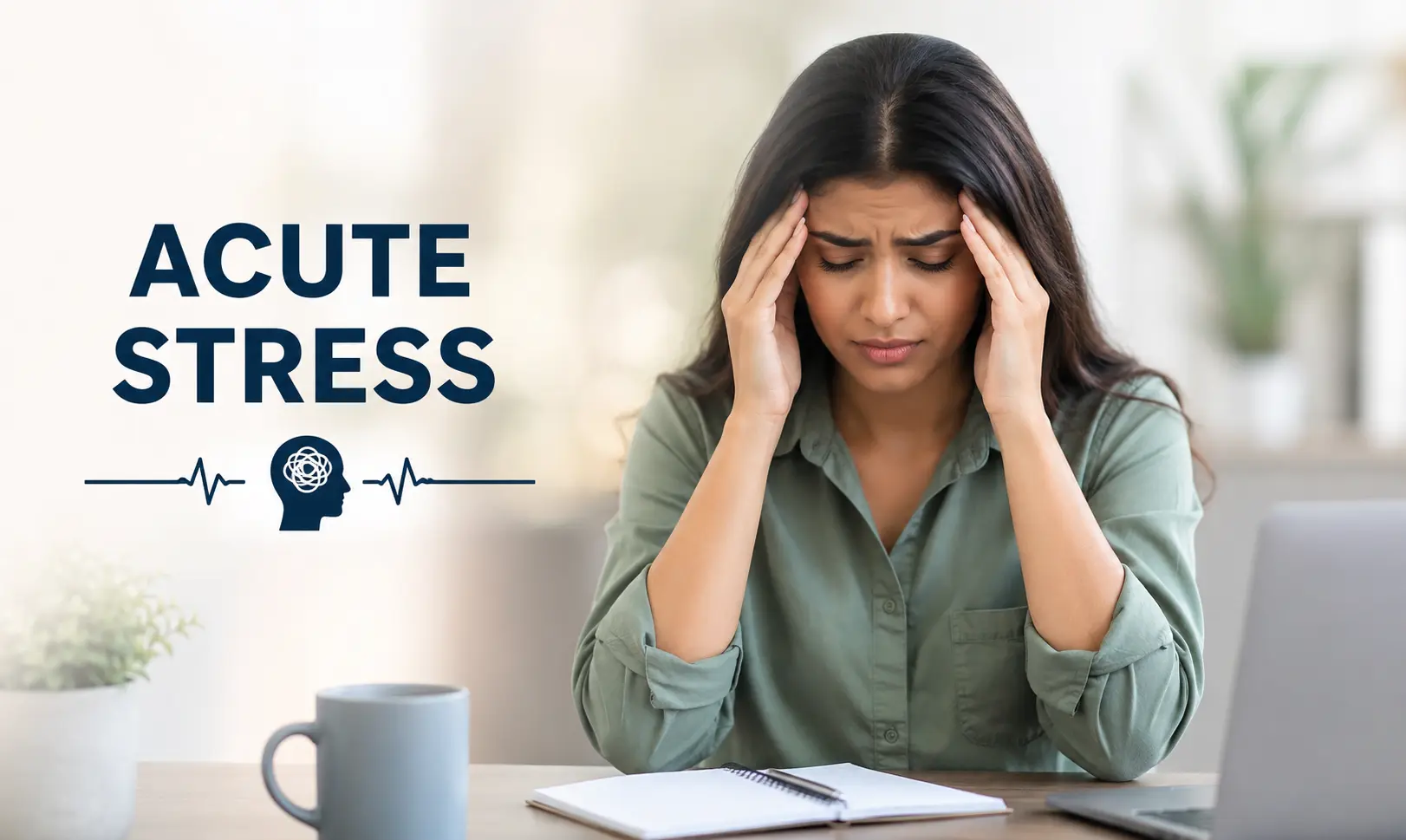
Understanding Acute Stress & Symptoms
Acute stress is an immediate mental and physical reaction triggered by traumatic or overwhelming events.
An accident, a scary encounter, a loss, or any other form of traumatic incident can make one feel overwhelmed mentally. Even though stress is a normal reaction to the threat of harm, there are people who continue to have strong emotions and bodily reactions even after the threat is gone. This kind of reaction could lead to acute stress disorder.
Key Takeaways:
- Acute stress can be mentally challenging and emotionally draining.
- Symptoms can rapidly alter emotional states, cognitive focus, body functions, and sleeping habits.
- Recognizing persistent signs early helps in seeking timely professional care and effective treatment.
What Is Acute Stress?
Acute stress is the body's immediate response to a challenging, frightening, or traumatic situation. It activates the nervous system and causes emotional, cognitive, sleep, and bodily function changes.
When signs of trauma manifest almost immediately after the occurrence of an event and remain persistent, one could be said to be suffering from acute stress disorder. ASD usually develops within the first month after trauma.
Common Causes of Acute Stress
Acute stress may develop due to the following reasons:
|
Trigger |
Possible Examples |
|
Accidents |
Road accidents, workplace injuries |
|
Violence |
Assault or witnessing violence |
|
Natural disasters |
Floods, earthquakes, storms |
|
Serious medical events |
Sudden illness or emergency treatment |
|
Loss |
Unexpected death or traumatic bereavement |
|
Other trauma |
Experiences that create intense fear or helplessness |
Symptoms of Acute Stress
Symptoms can vary considerably from one person to another. Some people experience emotional numbness, while others may feel disconnected from their surroundings or struggle to recall parts of the traumatic experience.
|
Type |
Common Symptoms |
|
Emotional |
Fear, numbness, distress, irritability |
|
Cognitive |
Poor concentration, confusion, unwanted memories |
|
Dissociative |
Feeling detached, reduced awareness, memory gaps |
|
Physical |
Rapid heartbeat, sweating, shaking, sleep problems |
|
Behavioural |
Avoiding reminders of the event, withdrawal |
Acute Stress vs PTSD vs Anxiety
These conditions can overlap, but they are not identical.
|
Condition |
Key Difference |
|
Acute Stress Disorder |
Trauma-related symptoms occurring during the period shortly after a traumatic event |
|
PTSD |
Trauma-related symptoms that persist beyond the initial period and meet diagnostic criteria |
|
Anxiety |
A broader emotional response that can occur with or without a specific traumatic event |
Anxiety may involve excessive worrying, tension, sleep difficulties, trembling, breathlessness, and difficulty concentrating.
How Is Acute Stress Treated?
Professional assistance early on can aid individuals in understanding how they react and coping in better ways.
The use of CBT is common in dealing with symptoms associated with acute stress disorder and teaches practical skills for managing upsetting thoughts and reactions.
In line with the type of symptoms, the mental health professional will also advise:
- Trauma-focused counselling
- Breathing and relaxation exercises
- Mindfulness/meditation
- Sleep and good routines
- Medical intervention where necessary
Treatment should be tailored and not self-taught, especially where the symptoms are intense or chronic.
When Should You Seek Professional Help?
Professional evaluation might be necessary if there is persistent distress, if it interferes with your job or personal relationships, if it results in sleep disturbances, or if it impedes daily life. In cases where the symptoms are getting worse instead of improving, professional assessment is especially critical.
In case of suicidal thoughts, professional assistance must be sought immediately.
To Conclude
Acute stress disorder is not just the anxiety that results from having had a terrible experience. If the individual feels numb, frightened, stressed out, or unable to cope with normal life after a trauma, professional intervention could be of significant assistance. Identifying the symptoms, seeking proper treatment, and following healthy routines may prove helpful.
FAQs
1. What is the period for an acute stress response to last?
There is no single length of time that an acute stress response can last. If symptoms of trauma and other symptoms associated with trauma persist up to a month after the traumatic event, the healthcare provider might diagnose an acute stress disorder.
2. Can acute stress lead to PTSD?
Yes. People diagnosed with acute stress can further develop PTSD.
3. Does acute stress cause physical symptoms?
Yes. Symptoms can include sleeplessness, trembling, sweating, a racing heart, and inability to concentrate.
4. Is there any possibility to treat acute stress without drugs?
It all depends on the individual case. Psychological treatment, including cognitive behavioral therapy, can be effective, whereas drugs can be used by a specialist.
Disclaimer: The content on LifePositive.com - including articles/blogs on yoga, acupuncture, naturopathy, and other alternative healing modalities for holistic wellness - is for informational and educational purposes only. It is not a substitute for professional medical advice, diagnosis, or treatment. Always consult a qualified healthcare provider before starting any new health protocol or making changes to an existing treatment plan.
Also Read: Emotional Stress
By Umesh Kumar Khiri

.png)
Discussion (0)
No comments yet. Be the first to comment!
Leave a Comment
You need to login to post a comment.