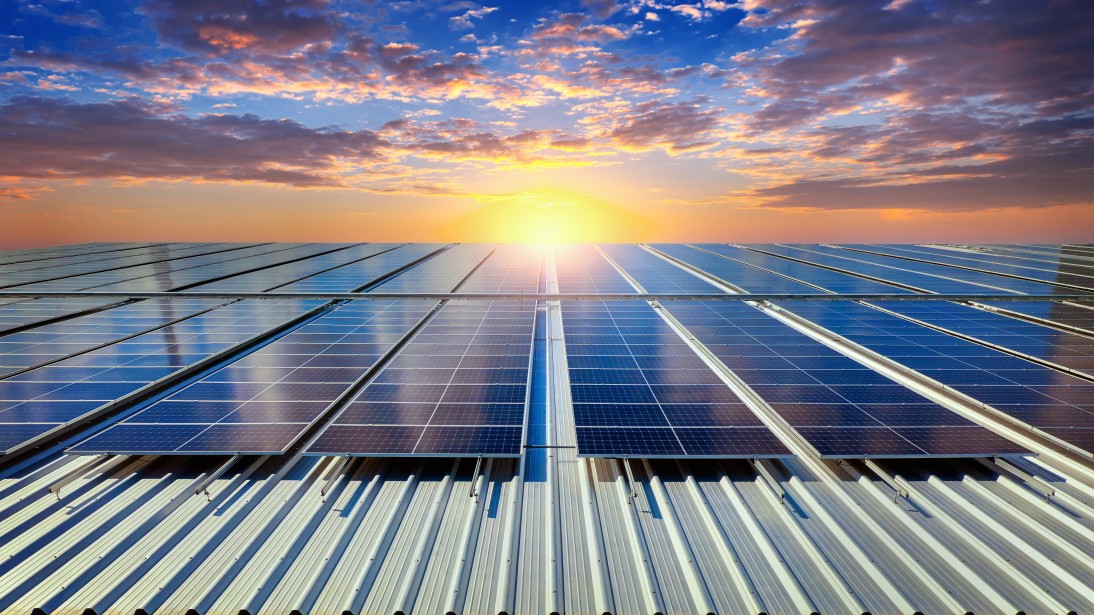
Africa goes solar
Africa has adopted solar energy in a big way using solar panels.
Solar Panel Benefits :
Benefits of solar panels for power
To give you the best answer, it helps to look at solar panels from three different angles: financial, environmental, and practical.
Here is a breakdown of the real-world benefits of solar panels for power generation.
1. Financial Benefits (The Wallet)
Drastically Lower Electricity Bills: Solar panels generate free power during daylight hours. This directly offsets the electricity you would otherwise buy from the grid, often slashing monthly bills by 70% to 100%.
Protection Against Rising Rates: Utility electricity prices historically rise over time. By generating your own power, you lock in a fixed "energy cost" for the next 25+ years, insulating yourself from inflation.
High Return on Investment (ROI): Solar is no longer a luxury; it is an investment. In most regions, the system pays for itself in 5 to 8 years through utility savings, then provides free electricity for the remaining 15–20 years of its lifespan (yielding a 20%+ annual return).
Increased Property Value: Homes with solar panels sell faster and for a premium (typically 4% to 6% more) than comparable homes without them, as buyers appreciate the lower operating costs.
2. Environmental Benefits (The Planet)
Zero Carbon Emissions: Unlike natural gas or coal, solar panels produce electricity with zero greenhouse gas emissions. A typical residential system offsets about 3 to 4 tons of carbon dioxide annually—equivalent to planting over 100 trees every year.
Reduces Water Usage: Traditional power plants require millions of gallons of fresh water for cooling. Solar photovoltaic (PV) panels generate electricity without using any water, helping to conserve this vital resource.
Reduces Fossil Fuel Dependency: Every kilowatt-hour of solar power is one less kilowatt-hour that must be mined, fracked, or imported from unstable regions, enhancing local energy independence.
3. Practical & Reliability Benefits (The Grid)
Peak Shaving: Air conditioners and industrial machinery draw the most power during the hottest afternoons—exactly when solar panels produce the most energy. This reduces strain on the local grid and prevents blackouts.
Diverse Applications: Solar isn't just for rooftops. It can power remote cabins, agricultural water pumps, telecom towers, and RV vans without the need for noisy, polluting diesel generators.
Low Maintenance: Solar panels have no moving parts, meaning there is almost nothing to break. They are incredibly durable (tested to withstand hail and high winds) and require only occasional washing to maintain efficiency.
Grid Resiliency: When paired with a battery storage system, solar panels act as a backup power source during grid outages. In a severe storm or heatwave, you can keep your lights, refrigerator, and medical devices running.
The One Major Caveat to Consider
To truly reap these benefits, orientation and shading are critical. A solar panel in full, direct sunlight produces 100% of its power. If just 10% of the panel is shaded by a tree or chimney, that single panel's output can drop by 50%, dragging down the rest of the array.
The bottom line: If you have an unshaded, south-facing (in the Northern Hemisphere) or north-facing (in the Southern Hemisphere) roof, solar panels are one of the smartest upgrades you can make—offering immediate savings, long-term security, and a tangible environmental impact for decades to come.
By Jamuna Rangachari


.png)
Discussion (0)
No comments yet. Be the first to comment!
Leave a Comment
You need to login to post a comment.