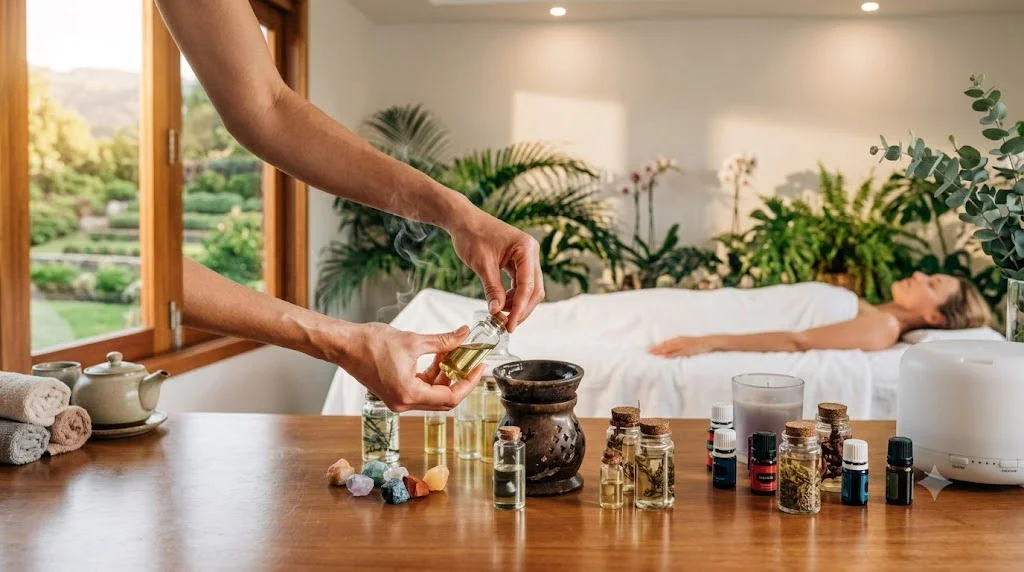
Aromatherapy: Benefits
Introduction
Aromatherapy is a complementary wellness practice that uses aromatic plant extracts, commonly known as essential oils, to support relaxation, mood, sleep, and everyday well-being. It is often incorporated into self-care routines through inhalation, diffusion, massage, bathing, or other carefully selected applications.
With informed use, aromatherapy can become a calming addition to daily life. Whether the goal is creating a relaxing evening environment, supporting a bedtime routine, easing everyday tension, or simply enjoying natural aromas, a thoughtful approach can make the experience more comfortable and beneficial.
Key Takeaways
- Holistic & Complementary Care: Aromatherapy supports relaxation, sleep, and mood through essential oils, functioning best alongside healthy lifestyle habits and medical care.
- Safety & Dilution First: Essential oils are highly concentrated, requiring proper dilution, patch testing, and caution around pets, children, and sensitive individuals.
- Ritual Amplifies Results: The true benefit of aromatherapy often comes from pairing natural aromas with sensory rituals like slow breathing, meditation, and quiet time.
Aromatherapy
Aromatherapy is a holistic wellness practice centered on the use of aromatic substances derived from plants. Essential oils may be obtained from flowers, leaves, bark, roots, fruits, seeds, or other plant materials. Different oils have distinctive aromas and chemical compositions, which is why they are traditionally associated with different applications.
The practice is commonly used to create a particular atmosphere or support relaxation. For example, a person may use a gentle aromatic blend during meditation, diffuse an appropriate oil while preparing for bed, or receive an aromatherapy massage as part of a relaxation routine.
The experience can involve more than the aroma itself. Breathing slowly, taking time away from digital distractions, receiving a massage, or creating a peaceful environment can all contribute to the overall wellness experience.
Understanding Aromatherapy and Essential Oils
Plant-Based Aromatic Compounds
Plants contain naturally occurring aromatic compounds that contribute to their distinctive fragrances. These compounds can be extracted and concentrated to produce essential oils.
Essential oils are different from ordinary vegetable oils such as coconut, sesame, or almond oil. A vegetable oil is generally used as a carrier or base, whereas an essential oil contains concentrated aromatic constituents of a plant.
Because essential oils are concentrated, a small amount can produce a strong aroma. Their potency also means that more is not necessarily better. Appropriate dilution and careful application are important parts of responsible aromatherapy.
Essential Oils and Their Common Uses
Different essential oils are traditionally selected for different wellness purposes. Lavender is commonly associated with relaxation and bedtime routines. Peppermint has a fresh, cooling aroma and is often used to create an invigorating environment. Sweet orange and other citrus oils are frequently chosen for their bright, uplifting fragrances.
Other oils, such as eucalyptus, rosemary, tea tree, chamomile, or frankincense, are also commonly found in aromatherapy products and blends. However, traditional use should not automatically be interpreted as proof that an oil can prevent, diagnose, or treat a disease.
Choosing an oil should therefore depend on the intended purpose, personal preference, safety profile, and method of application.
Aromatherapy and the Mind-Body Connection
Smell has a close relationship with memory, emotion, and perception. A familiar fragrance can evoke memories or influence how a person experiences a particular environment. Aromatherapy takes advantage of this sensory connection by incorporating pleasant aromas into relaxation and self-care practices.
The benefits may also come from the broader ritual surrounding aromatherapy. Sitting quietly, breathing slowly, receiving a massage, or preparing for sleep can encourage a transition from a busy state of mind to a more relaxed routine.
Potential Benefits of Aromatherapy
Stress Relief and Relaxation
One of the most popular reasons people explore aromatherapy is relaxation. A pleasant aroma can help create a peaceful atmosphere, particularly when combined with slow breathing, meditation, gentle stretching, or quiet time.
Aromatherapy should not be viewed as a cure for chronic stress. Instead, it can be one component of a broader stress-management strategy that includes sufficient sleep, physical activity, social connection, healthy nutrition, and appropriate professional support when necessary.
Sleep and Restful Recovery
A calming bedtime environment can make it easier to establish a consistent sleep routine. Some people incorporate gentle aromas such as lavender into their evening rituals.
For example, a person might diffuse an appropriate amount of oil for a limited period before bedtime, take a warm bath, dim the lights, and avoid stimulating screen activity. The value may come from the complete routine rather than the essential oil alone.
Anyone experiencing persistent insomnia, severe daytime sleepiness, breathing problems during sleep, or other ongoing sleep difficulties should seek appropriate medical evaluation rather than relying solely on aromatherapy.
Mood and Emotional Well-Being
Aromatherapy can also be used to create an uplifting or comforting environment. Citrus aromas, for example, are often selected for their fresh and cheerful character, while floral scents may be preferred for relaxation.
Because individual responses to fragrance vary considerably, personal preference is important. An aroma that one person finds calming may be unpleasant or stimulating to another.
Aromatherapy can complement emotional wellness practices, but significant or persistent anxiety, depression, or other mental health concerns deserve appropriate professional attention.
Physical Relaxation and Everyday Comfort
Aromatherapy massage combines the sensory experience of essential oils with the physical relaxation associated with massage. Gentle massage may help a person feel more comfortable after a demanding day and can encourage awareness of bodily tension.
The oils used for massage should generally be appropriately diluted in a suitable carrier oil. Essential oils should not ordinarily be applied directly to large areas of skin in concentrated form.
Common Aromatherapy Methods
Diffusion and Inhalation
Diffusion disperses aromatic molecules into the surrounding environment. An aromatherapy diffuser can be used to introduce a selected fragrance into a room.
Another approach is simple inhalation, in which a person experiences the aroma without applying the oil to the skin. The amount and duration should be kept appropriate for the space and the people present.
Good ventilation is important, particularly in shared spaces. If an aroma causes coughing, headache, nausea, breathing discomfort, or irritation, exposure should be stopped.
Topical Application and Massage
Topical aromatherapy involves applying diluted essential oils to the skin, commonly during massage or in selected personal-care products.
A carrier oil such as jojoba, coconut, or sweet almond oil can be used to dilute essential oils. The appropriate dilution depends on the oil, intended use, age, skin sensitivity, and other circumstances.
A patch test may help identify possible skin sensitivity, although it cannot guarantee that a person will not experience a reaction later. Concentrated essential oils should be handled carefully and kept away from the eyes and mucous membranes.
Bath and Personal Care Practices
Some people incorporate essential oils into baths, body-care products, or other personal rituals. However, essential oils do not automatically disperse safely in plain water. Undiluted droplets can remain concentrated and potentially irritate the skin.
For this reason, products specifically formulated for bathing or personal care may be preferable to adding undiluted essential oils directly to bathwater.
How an Aromatherapy Session Works
Wellness Assessment and Goal Setting
A professional aromatherapy session generally begins with a conversation about the person's wellness goals, preferences, sensitivities, and relevant circumstances.
The purpose might be relaxation, creating a calming routine, supporting sleep habits, or enjoying a massage experience. A responsible practitioner should avoid making unsupported claims about curing serious illnesses.
Selecting Suitable Essential Oils
The practitioner can select oils based on the desired experience, aroma preference, method of use, and safety considerations.
Rather than choosing oils solely because they are associated with a particular benefit, the practitioner should consider the whole individual. A fragrance that is unpleasant or irritating is unlikely to make a positive wellness experience.
Application and Relaxation Session
Depending on the service, a session may involve diffusion, inhalation, massage, or another appropriate method. When oils are used on the skin, they should be diluted appropriately.
The environment is usually designed to encourage relaxation, with comfortable surroundings, gentle sensory stimulation, and sufficient time to unwind.
Post-Session Self-Care
After a session, individuals can continue the relaxing experience through hydration, quiet time, gentle movement, meditation, or other healthy practices.
It can also be useful to observe how the body responds. Any irritation, headache, breathing discomfort, or other unexpected reaction should be taken seriously and exposure should be discontinued.
How to Start Aromatherapy Safely
Choosing Quality Essential Oils
Quality matters because essential oils are concentrated products. Look for reputable suppliers that provide clear information about the plant name, ingredients, recommended use, and appropriate handling.
Be cautious of products making exaggerated claims such as promising to cure multiple unrelated diseases. Aromatherapy products should be viewed as wellness products rather than miracle treatments.
Proper Dilution and Application
One of the most important safety principles is dilution. Essential oils are generally far more concentrated than the plants from which they originate.
For topical use, follow the product manufacturer's instructions or guidance from a suitably trained professional. Different situations may require different concentrations.
Never assume that an undiluted oil is more effective. Higher concentration can increase the possibility of skin irritation or other adverse reactions.
Understanding Allergies and Sensitivities
People can react differently to fragrances and essential oils. Skin sensitivity, respiratory sensitivity, allergies, and individual intolerance should all be considered.
Introduce new products cautiously. If burning, itching, rash, swelling, breathing difficulty, or another concerning reaction occurs, stop using the product and seek appropriate medical advice when necessary.
Safe Storage and Handling
Essential oils should be stored securely, preferably in their original labeled containers and away from excessive heat and direct sunlight. They should be kept out of reach of children.
Because some oils can be hazardous if swallowed or misused, they should never be treated like ordinary household fragrances. Follow the product's storage and handling instructions carefully.
Lifestyle Habits That Complement Aromatherapy
Mindfulness and Meditation
Aromatherapy can be incorporated into mindfulness or meditation by providing a consistent sensory cue for relaxation.
For example, a person may use a preferred aroma while sitting quietly for five to ten minutes and focusing on slow breathing. Over time, this can become a recognizable transition into a calmer part of the day.
Healthy Sleep Routine
Aromatherapy is most useful for sleep when combined with good sleep hygiene. Going to bed and waking at consistent times, reducing excessive evening screen exposure, keeping the bedroom comfortable, and limiting stimulants late in the day can all contribute to better sleep habits.
A calming aroma may become one small part of this routine.
Regular Movement and Exercise
Physical activity is another important foundation for well-being. Walking, yoga, stretching, swimming, strength training, or other enjoyable activities can support physical and emotional health.
Aromatherapy may complement movement by becoming part of a pre- or post-exercise relaxation ritual, but it should not replace regular physical activity.
Balanced Nutrition and Hydration
No wellness practice can substitute for adequate nutrition and hydration. A balanced diet containing a variety of nutrient-rich foods supports overall health and energy.
Regular water intake and appropriate nutrition can be combined with relaxation practices such as aromatherapy to create a more comprehensive approach to everyday wellness.
Choosing an Aromatherapy Practitioner
Training and Professional Experience
If you choose professional aromatherapy services, consider the practitioner's education, relevant training, experience, and approach to safety.
A responsible practitioner should understand essential-oil dilution, contraindications, hygiene, allergies, and appropriate referral to medical professionals.
Personalized Wellness Approach
A good practitioner should take time to understand your preferences and objectives rather than offering the same oil or treatment to everyone.
The approach should recognize that aromatherapy is complementary and should be integrated sensibly with a person's existing healthcare and lifestyle practices.
Consultation and Follow-Up
A consultation should provide an opportunity to discuss your response to the treatment. If an oil causes discomfort or you simply dislike its aroma, an alternative may be more appropriate.
Follow-up can also help determine whether the aromatherapy routine remains useful and comfortable over time.
Important Safety Considerations
Pregnancy, Children and Sensitive Individuals
Extra caution is necessary when using essential oils around pregnant individuals, infants, and young children. Some oils may not be appropriate in particular circumstances.
Older adults and people with allergies, asthma, sensitive skin, or other health considerations may also require additional precautions. Professional guidance can help determine an appropriate approach.
Pets and Household Exposure
Some essential oils may be harmful to animals, and pets can be exposed through diffusers, spills, or direct contact.
If you have pets, investigate the safety of any oil before using it around them and provide an opportunity for animals to leave an area where aromas are being dispersed. Avoid applying essential oils to pets unless specifically directed by a qualified veterinary professional.
Medication and Health Considerations
People taking medications or managing health conditions should consider whether aromatherapy is appropriate for them. Certain essential oils may have properties that warrant caution in specific circumstances.
Aromatherapy should not be used to replace prescribed medicines or medical treatment. If there is uncertainty about an oil or method, consult a qualified healthcare professional.
When Professional Medical Advice Is Needed
Aromatherapy is intended as a complementary wellness practice. It should not delay professional evaluation of persistent, severe, or unexplained symptoms.
Seek medical attention for significant pain, breathing difficulty, serious allergic reactions, persistent sleep problems, unexplained changes in health, or any symptom that requires diagnosis or treatment.
Frequently Asked Questions
Essential Oils for Everyday Wellness
Which essential oil is best for everyday wellness? There is no single best oil for everyone. Lavender, citrus, peppermint, chamomile, and other oils are commonly used, but personal preference and individual safety considerations matter.
The best starting point is usually a clearly labeled product from a reputable source and a simple, low-exposure method such as appropriate inhalation.
Aromatherapy Session Frequency
How often should someone have an aromatherapy session? Frequency depends on the purpose, method, individual response, and professional guidance.
For home use, aromatherapy can be incorporated occasionally or regularly as part of a healthy routine, provided the chosen method is safe and does not cause adverse reactions. More frequent use is not necessarily more beneficial.
Aromatherapy and Sleep Support
Can aromatherapy help with sleep? Aromatherapy may support a calming bedtime routine for some people. A gentle aroma can become part of a consistent transition toward sleep.
However, persistent insomnia or other sleep disorders should not be self-treated indefinitely with essential oils. Identifying and addressing the underlying cause is important.
Aromatherapy and Stress Management
Can aromatherapy reduce stress? Aromatherapy may promote relaxation and provide a pleasant sensory experience, particularly when combined with breathing exercises, meditation, massage, or quiet time.
Its role is best understood as one component of stress management rather than a standalone treatment for chronic or severe stress.
Beginning Your Aromatherapy Wellness Journey
Aromatherapy can be a simple and enjoyable way to introduce intentional relaxation into everyday life. Its greatest value may come from the combination of pleasant aromas, mindful breathing, quiet surroundings, massage, and consistent self-care habits.
If you are new to aromatherapy, begin gradually. Choose a reputable essential-oil product, learn about its recommended uses and safety precautions, and start with an appropriate method such as controlled inhalation or properly diluted topical use. Pay attention to how you respond and discontinue use if irritation or other unwanted symptoms occur.
Most importantly, view aromatherapy as part of a broader approach to well-being. Regular movement, nutritious food, adequate hydration, restorative sleep, meaningful relationships, mindfulness, and appropriate healthcare all remain important foundations of a healthy life.
We wish you all the best on your wellness journey with aromatherapy.
The content on LifePositive.com; including articles/blogs on yoga, acupuncture, naturopathy, and other alternative healing modalities for holistic wellness, is for informational and educational purposes only. It is not a substitute for professional medical advice, diagnosis, or treatment. Always consult a qualified healthcare provider before starting any new health protocol or making changes to an existing treatment plan.
Also Read our article on naturopathy.
By Jamuna Rangachari


Discussion (0)
No comments yet. Be the first to comment!
Leave a Comment
You need to login to post a comment.