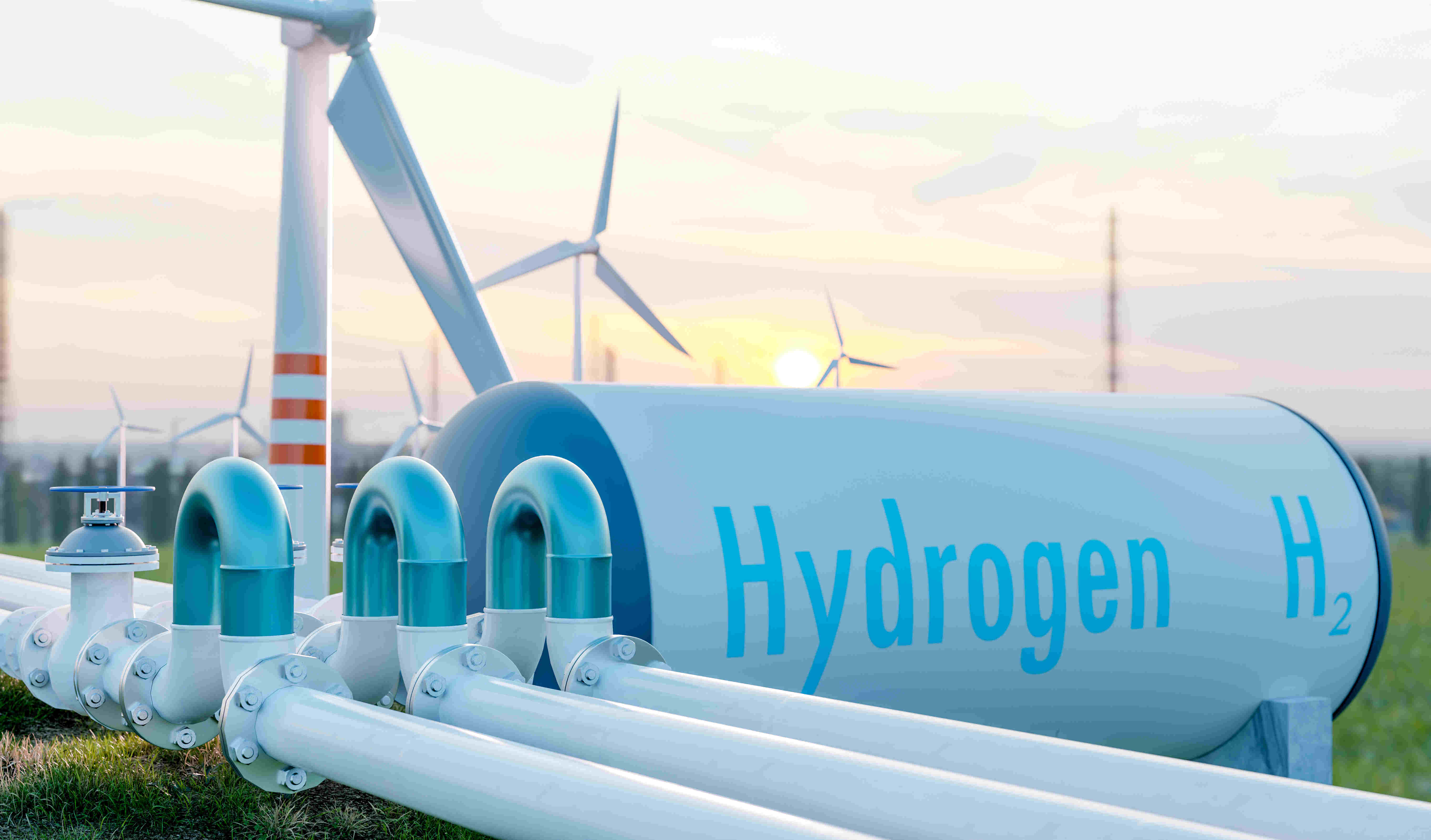
Canada explores white hydrogen
Canada is successfully exploring white hydrogen beneath its mines.
White hydrogen (also called natural hydrogen or geologic hydrogen) is hydrogen gas that occurs naturally in the Earth's crust, rather than being manufactured by humans.
Unlike other hydrogen "colors," which describe how hydrogen is produced, white hydrogen is extracted directly from underground reservoirs—similar to natural gas.
How is white hydrogen formed?
Natural processes can generate hydrogen underground, including:
- Water reacting with iron-rich rocks (a process called serpentinization)
- Radiolysis, where natural radioactive decay splits water molecules
- Volcanic and tectonic activity
- Certain microbial processes underground
Why is it attracting attention?
White hydrogen could be a potentially low-carbon energy source because:
- It may require much less energy to obtain than manufactured hydrogen.
- It occurs naturally and may be continuously replenished in some geological settings.
- It produces only water when used as a fuel.
How does it compare to other hydrogen types?
|
Type |
Production Method |
|
Gray hydrogen |
Made from natural gas; high CO? emissions |
|
Blue hydrogen |
Gray hydrogen + carbon capture |
|
Green hydrogen |
Produced by electrolysis using renewable electricity |
|
White hydrogen |
Naturally occurring hydrogen extracted from the Earth |
Current status
White hydrogen is still an emerging industry. Significant natural hydrogen accumulations have been discovered in places such as:
- Mali
- France
- Australia
- United States
Exploration companies are actively searching for economically viable deposits, but large-scale commercial production is still in its early stages compared with oil, gas, or green hydrogen.
In short, white hydrogen is naturally occurring underground hydrogen that can potentially be extracted as a clean energy source, making it one of the most promising emerging areas in the hydrogen economy.
We wish them all the best and hope others shall also follow suit for a cleaner environment
By Jamuna Rangachari



Discussion (0)
No comments yet. Be the first to comment!
Leave a Comment
You need to login to post a comment.