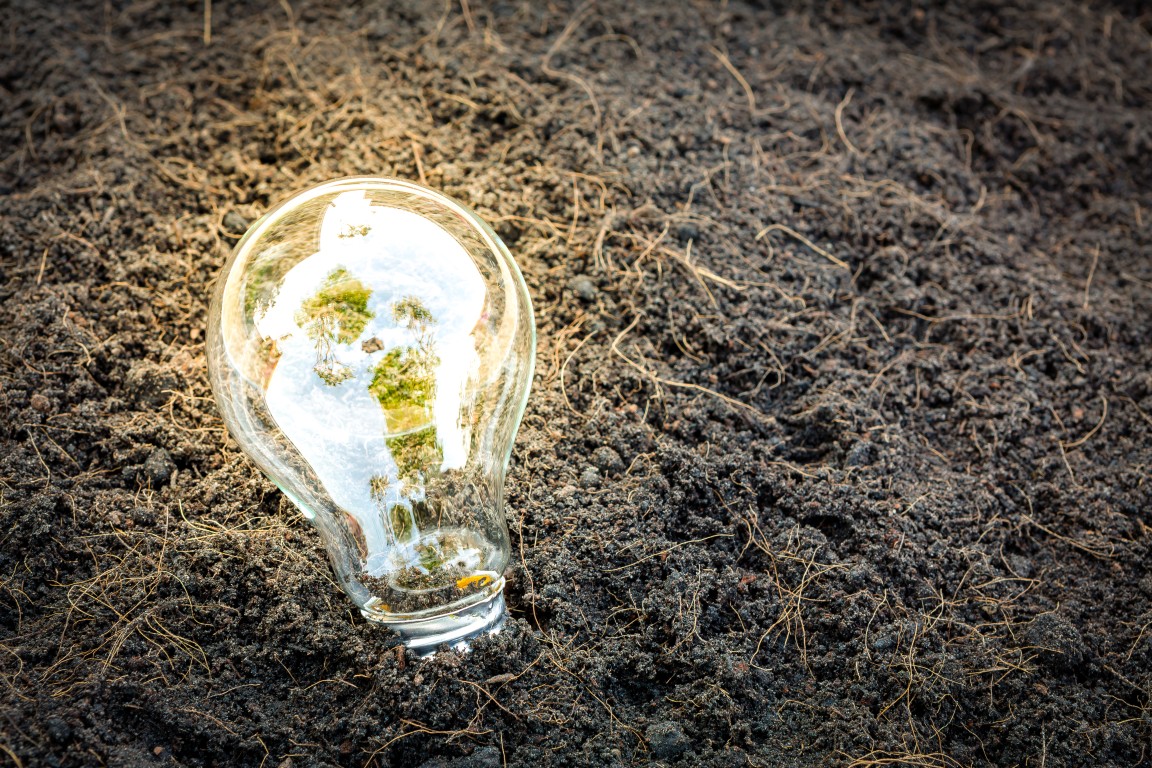
Clean soil can generate power
Yes, clean soil can generate power, though the process is not like a conventional battery. It works by harnessing natural processes, and this technology is being actively developed for real-world applications.
Here are the main ways clean soil can be used to generate electricity:
? The Science Behind Soil Power
Microbial Fuel Cells (MFCs): This method uses bacteria that naturally live in soil. As these bacteria break down organic matter, they release electrons. By placing two electrodes in the soil (an anode and a cathode) and connecting them with a wire, these electrons can be captured to create an electrical current .
Hydrovoltaic (HV) Generators: This newer approach generates electricity from the natural movement of water through soil. As water flows through the soil's tiny pores, it creates a charge imbalance that generates a voltage, essentially acting like a microscopic hydroelectric dam .
? Practical Applications and Progress
This isn't just a lab curiosity; there are several impressive projects underway:
A "Soil Battery" for Farms: The UK-based company Bactery is developing a soil-powered battery the size of a small box. You simply bury it, and it generates enough power (50-100 mWh per day) to run agricultural sensors and small irrigation valves for up to 30 years, without any maintenance or sunlight .
EU-Backed Research: The European Union's SOIL2POWER project is actively working on soil-based Microbial Fuel Cells to power precise irrigation systems in smart agriculture, aiming for a clean, maintenance-free energy source .
Powering Simple Electronics: A research group from India demonstrated that a small device using just silt soil and water could generate enough electricity to power a calculator, light LEDs, and even charge a mobile phone's battery .
? How Much Power Can We Expect?
The power output from these technologies is currently modest, making them ideal for low-power devices rather than your home appliances.
Technology Example Power Output Potential Application
Powering agricultural IoT sensors, weather stations
? Why This Matters
This technology is powerful not because it will replace major power grids, but because it can sustainably and continuously power the billions of small, remote sensors that are increasingly important in farming, environmental monitoring, and infrastructure. As one company founder put it, the vision is to "redefine what soil is – not just something that grows crops, but a clean, renewable power source" .
This is being done by a start up called Bactery today in the UK and we are sure there will be many more soon all over the world.
By Jamuna Rangachari



Discussion (0)
No comments yet. Be the first to comment!
Leave a Comment
You need to login to post a comment.