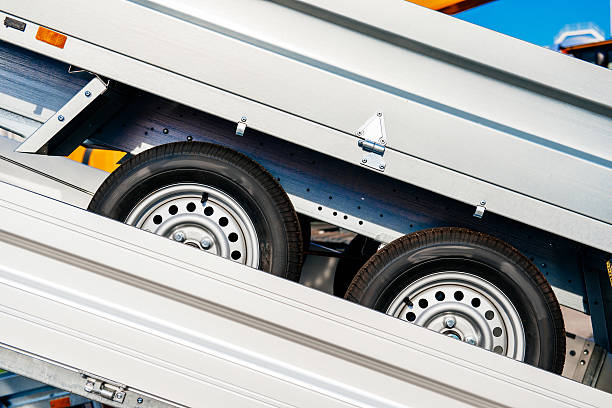
Custom Aluminum Trailers vs Steel Trailers: Which Option Offers Better Durability?
In the world of business, automobiles, and Vehicles, selecting the right trailer material is crucial for longevity and cost-effectiveness. With the increasing demand for reliable transportation solutions, businesses are often torn between Custom Aluminum Trailers and steel trailers. Both materials have their distinct advantages and drawbacks, particularly when it comes to durability. This article delves into the critical differences, factors affecting longevity, maintenance practices, and decision-making strategies to help businesses make informed choices for their specific needs.
Custom Aluminum Trailers vs Steel Trailers: A Durability Comparison
When considering durability, Custom Aluminum Trailers stand out due to their resistance to rust and corrosion. Aluminum's natural ability to withstand harsh weather conditions makes it an attractive choice for businesses that operate in regions with high humidity or near coastal areas. Steel trailers, on the other hand, are known for their strength and heavy-duty performance. They are often preferred for transporting heavy loads due to their robust construction.
Statistics reveal that aluminum trailers, while lighter, can have a lifespan of up to 15 years with proper maintenance, compared to about 10 years for steel trailers. The weight advantage of aluminum also contributes to better Custom Aluminum Trailers fuel economy, reducing overall operational costs. However, for businesses dealing with extremely heavy or abrasive loads, steel trailers may offer a more dependable option despite their shorter lifespan.
Both materials have their place in the industry, and the choice often depends on specific use cases and operational environments. For a comprehensive understanding of trailer durability, businesses should consider these aspects in their fleet management strategies.
Factors Influencing the Longevity of Aluminum and Steel Trailers
Several factors influence the durability of both aluminum and steel trailers. One significant factor is the type of load being transported. Aluminum trailers, though resistant to corrosion, may not perform as well under the strain of excessively heavy loads. In contrast, steel trailers can handle higher weight capacities, thanks to their structural integrity.
Environmental conditions also play a crucial role. Areas with high salt content in the air, such as coastal regions, can accelerate corrosion in steel, while aluminum remains unaffected. Advanced protection measures, such as applying coatings, can extend the lifespan of steel trailers in these environments. Furthermore, the implementation of Vehicle Telematics can assist in monitoring trailer conditions and scheduling timely maintenance.
Finally, technological advancements in trailer design, such as the incorporation of Emission Control Systems and Chassis Dynamometer testing, can enhance the performance and longevity of both aluminum and steel trailers. Businesses should evaluate these technological factors when choosing between the two materials.
Maintenance Practices for Aluminum and Steel Trailers
Regular maintenance is paramount to maximizing the lifespan of both aluminum and steel trailers. For aluminum trailers, it is essential to conduct routine inspections for any signs of structural damage or fatigue, as their lightweight nature can make them susceptible to stress fractures over time. Proper cleaning and removal of road salt and debris can prevent surface damage.
Steel trailers require more vigilant maintenance due to their susceptibility to rust. Regular applications of anti-corrosion coatings and thorough inspections for rust spots are necessary. Utilizing tools like an OBD-II Scanner can help detect early signs of mechanical wear and tear, ensuring timely repairs and replacements.
Incorporating Fleet Management Systems can streamline maintenance schedules and track the condition of each trailer, reducing downtime and repair costs. By adhering to these practices, businesses can ensure that their trailers remain operational and durable for extended periods.
Choosing Between Aluminum and Steel Trailers for Long-Term Use
When deciding between aluminum and steel trailers for long-term use, businesses should consider their specific operational needs and environments. Custom Aluminum Trailers offer better fuel efficiency and resistance to environmental factors, making them ideal for long-haul transport in corrosive environments. Conversely, steel trailers are better suited for heavy-duty applications where load capacity is the primary concern.
The decision should also factor in economic considerations such as initial costs, maintenance expenses, and potential resale value. Aftermarket Tuning and enhancements, such as Adaptive Cruise Control and Collision Avoidance Systems, can further improve the functionality and safety of the chosen trailer type.
Ultimately, the choice between aluminum and steel trailers should align with business objectives and operational requirements, ensuring that the investment delivers maximum returns over the trailer's lifespan.
Conclusion
In the realm of business, automobiles, and Vehicles, choosing the right trailer material is pivotal for operational success. Aluminum trailers provide excellent corrosion resistance and lighter weight, while steel trailers offer superior strength for heavy loads. By understanding the durability factors and maintenance needs of each type, businesses can make informed decisions that ensure longevity and cost-effectiveness. For businesses seeking long-lasting solutions, Custom Aluminum Trailers offer a compelling blend of durability and efficiency.



Discussion (0)
No comments yet. Be the first to comment!
Leave a Comment
You need to login to post a comment.