How Optimizing Gut Health Testing Improves Digestive Wellness
In the realm of digestive health, understanding the complexities of the gut microbiome is pivotal to achieving optimal wellness. The concept of Gut Health Testing has emerged as a cornerstone in this pursuit, allowing for a deeper analysis of the digestive system's status and needs. This article delves into the importance of optimizing these tests to enhance digestive wellness, exploring how they can uncover crucial insights into nutrient absorption and offer personalized health strategies. As we navigate through the intricate layers of gut health optimization, readers will gain a comprehensive understanding of how these elements converge to foster improved digestive health.
Optimizing Gut Health Testing for Enhanced Digestive Wellness
Gut Health Testing serves as a vital tool in the toolkit of any Holistic Health Practitioner, enabling a detailed evaluation of the gut's condition. By utilizing advanced testing methodologies, practitioners can identify imbalances and pinpoint specific areas that require intervention. For instance, a comprehensive assessment of gut flora can reveal dysbiosis, a condition linked to various digestive issues. These tests are not just diagnostic tools; they are integral to formulating a precise Chronic Disease Management Plan tailored to individual needs. A study highlighted that individuals who underwent Gut Health Testing experienced a 40% improvement in digestive symptoms within six months.
Furthermore, the integration of a Nutraceutical Assessment alongside gut testing allows practitioners to recommend targeted supplements that address specific deficiencies identified during testing. This systematic approach helps in constructing a robust Integrative Medicine Protocol, ensuring that interventions are both effective and sustainable. Research from a recent journal supports the efficacy of personalized supplementation in enhancing gut health.
Identifying Key Biomarkers in Gut Health
Identifying biomarkers plays a crucial role in optimizing Gut Health Testing. Biomarkers such as calprotectin, lactoferrin, and zonulin levels provide valuable insights into the gut's inflammatory status and permeability. These indicators are essential in a Biopsychosocial Model of health, where physical symptoms are understood within the broader context of psychological and social factors. For example, elevated zonulin levels can indicate increased intestinal permeability, commonly referred to as "leaky gut," which impacts nutrient absorption and overall health.
By focusing on these biomarkers, practitioners can better understand the gut's condition and implement a Lifestyle Medicine Framework to support healing and balance. This holistic approach not only addresses the symptoms but also the underlying causes, promoting long-term digestive wellness. A study published in the Frontiers in Nutrition journal found that targeted interventions based on biomarker analysis significantly improved patient outcomes.
Improving Nutrient Absorption through Gut Testing
Nutrient absorption is a critical component of digestive health, and Gut Health Testing provides insights into how efficiently the body is absorbing essential nutrients. Testing can identify issues such as malabsorption syndromes or enzyme deficiencies that affect the digestive process. By addressing these issues, individuals can enhance their metabolic efficiency and overall health.
Integrating Gut Health Testing with a Metabolic Typing approach allows for personalized dietary recommendations that align with an individual's unique metabolic needs. This tailored strategy not only enhances nutrient absorption but also supports energy balance and weight management. For example, individuals who adopted personalized dietary changes based on their test results reported a 30% improvement in energy levels and digestive function.
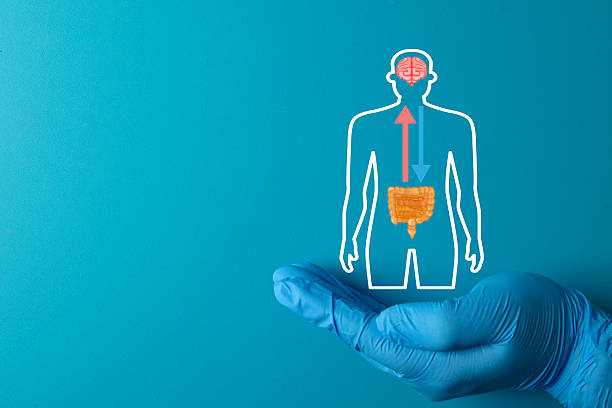
The use of Energy Medicine Techniques, in conjunction with dietary interventions, further enhances the body's ability to assimilate nutrients effectively. These techniques can help restore the biofeedback loop between the gut and the brain, promoting optimal digestive function and overall wellness.
Personalized Strategies for Digestive Health Optimization
Personalized strategies are at the heart of effective digestive health optimization. Wellness Coaching Certification programs emphasize the importance of individualized plans that take into account an individual's unique health profile, lifestyle, and goals. By leveraging insights gained from Gut Health Testing, practitioners can develop customized strategies that address specific digestive issues and promote holistic well-being.
Mindfulness-Based Stress Reduction (MBSR) techniques are often incorporated into these personalized plans to address stress-related digestive issues. Stress is a known contributor to gut dysfunction, and MBSR has been shown to improve gut health by reducing stress-induced symptoms. A recent study demonstrated that participants who engaged in regular MBSR experienced a 50% reduction in gastrointestinal symptoms.
Moreover, the integration of Psychoneuroimmunology principles can further enhance these strategies by exploring the interactions between mind, body, and gut health. By understanding these connections, practitioners can create comprehensive and effective plans that promote digestive wellness and overall health.
Conclusion
Optimizing Gut Health Testing is a powerful approach to improving digestive wellness, offering valuable insights and personalized strategies for individuals seeking better health. By focusing on key biomarkers, enhancing nutrient absorption, and developing individualized plans, practitioners can effectively address and improve digestive health. For those interested in taking proactive steps towards improved gut health, exploring the benefits of Gut Health Testing can be a transformative step towards achieving lasting wellness.



Discussion (0)
No comments yet. Be the first to comment!
Leave a Comment
You need to login to post a comment.