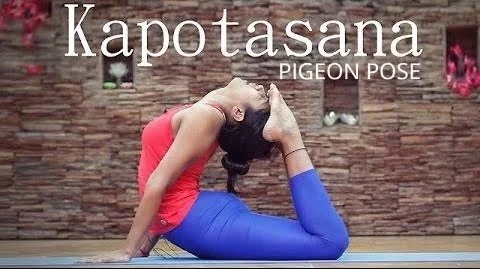
Kapotasana: A Deep Backbend for Strength & Mobility
Kapotasana is a kneeling backbend in which the torso arches backward while the hands eventually reach toward the feet. The final position requires substantial opening through the front body and controlled extension through the spine.
True physical well-being relies on a balance of functional movement and structural strength. There are certain postures in yoga that work on developing mobility in the body, as well as advanced poses that present challenges to the body in many ways. Kapotasana, which is also referred to as the Pigeon Pose, is one such pose. It is an intense backbend kneeling posture that involves spinal stretch, opening of the hips, expansion of the chest, and movement of the shoulders and thighs.
For an experienced practitioner, Kapotasana can be an advanced pose when included in a well-thought-out yoga routine. The practice of this pose can also lead you to emotional stability.
Key Takeaways
- Deep Hip Opening: Releases accumulated tension deep within the glutes and piriformis.
- Sciatica Relief: Alleviates tightness around the sciatic nerve and lower back region.
- Emotional Release: Helps release stored physical stress and stiffness in the pelvic area.
What Is Kapotasana (Pigeon Pose)?
Kapotasana is a backbend pose that requires preparation for practice. It does not involve forcing the spine into its greatest degree of curvature but rather working on building the strength and flexibility required for performing this pose.
|
|
|
|
|
|
|
|
|
|
|
|
|
|
|
|
|
|
|
|
|
|
|
|
|
|
|
How to Practise Kapotasana (Pigeon Pose)
Follow these steps to perform the Pegion Pose:
|
|
|
|
|
|
|
|
|
|
|
|
|
|
|
|
|
|
|
|
|
|
|
|
|
|
|
|
|
|
|
|
|
Benefits of Kapotasana (Pigeon Pose)
When practised appropriately by experienced practitioners, Kapotasana can provide several physical benefits.
|
|
|
|
|
|
|
|
|
|
|
|
|
|
|
|
|
|
|
|
|
|
|
|
|
|
|
Precautions
The Pigeon pose poses a lot of challenge to the spine, hips, shoulder joints, and neck. Exercise caution and use proper guidance where necessary.
- Do not attempt the pose if you have an injury to the neck or lower back.
- People with high blood pressure issues need proper guidance prior to doing this pose.
- Do not force your neck to extend.
- Make sure that you have warmed up well before trying this pose.
- Use a modified version if you cannot do the full pose.
- Go into the backbend slowly and get out slowly.
- Stop if you feel any sharp pain, dizziness, or numbness.
Final Thoughts
Kapotasana is a challenging backbend that brings together strength, flexibility, balance, and concentration. Its demanding nature makes preparation especially important. Rather than focusing on reaching the feet or achieving the deepest possible position, practitioners should prioritise controlled movement, stable alignment, and steady breathing.
With suitable preparation and guidance, experienced practitioners can explore Kapotasana as part of an advanced yoga practice. Respecting the body's current limits is essential. Also, the quality of the movement matters more than its depth. Kapotasana can ultimately become an elegant pathway to your deep physical freedom and lasting inner calm.
FAQs
1. Is Kapotasana safe for beginners to do?
It can be considered an advanced posture for most people. Beginners should start building spinal, hip, and shoulder flexibility through preparation poses.
2. Why am I unable to touch my feet in Kapotasana?
Touching your feet in this asana will require considerable flexibility in shoulders, hips, and spine. Not being able to touch them doesn't mean the practice hasn't been fruitful.
3. Will Kapotasana increase my flexibility?
Kapotasana can test your flexibility in different aspects of the body, including the hips, thighs, shoulders, and front body. Flexibility must be increased gradually and without pushing yourself into deep backbends.
4. What poses can I practise prior to Kapotasana?
Poses that involve backbends, like Bhujangasana, Dhanurasana, Urdhva Dhanurasana, as well as Supta Virasana and Eka Pada Rajakapotasana, will benefit your body in relevant ways.
Disclaimer: The content on LifePositive.com, including articles/blogs on yoga, acupuncture, naturopathy, and other alternative healing modalities for holistic wellness, is for informational and educational purposes only. It is not a substitute for professional medical advice, diagnosis, or treatment. Always consult a qualified healthcare provider before starting any new health protocol or making changes to an existing treatment plan.
Also Read: Kagasana
By Umesh Kumar Khiri

Discussion (0)
No comments yet. Be the first to comment!
Leave a Comment
You need to login to post a comment.