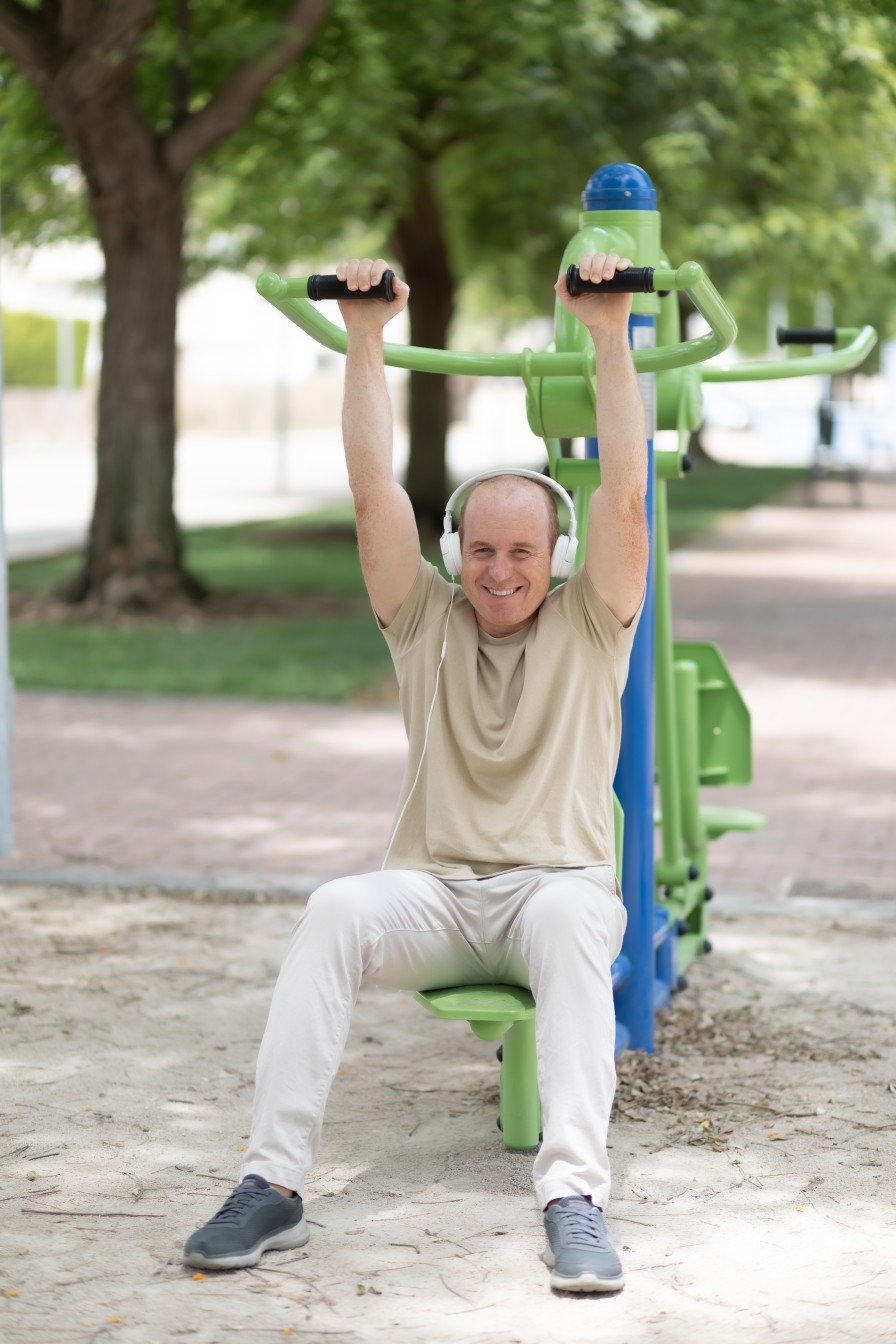
Mobility reduces feelings of isolation
Research shows mobility can significantly reduce feelings of isolation, but it is not a magic bullet.
Whether mobility helps or increases isolation depends entirely on how you are mobile, why you are mobile, and who you are with.
Here is a breakdown of how mobility fights isolation, when it backfires, and how to make it work for you.
How Mobility Reduces Isolation (The Positives)
Increases "Incidental Social Contact": Even if you are introverted, simply being in a coffee shop, on a train, or in a park puts you in proximity to other humans. These low-stakes interactions (nodding at a dog-walker, asking for directions) are called "weak ties," and psychologists have found they are surprisingly powerful for staving off loneliness.
Enables "Intentional" Connection: Mobility allows you to physically attend support groups, hobby classes, religious services, or family gatherings. Video calls are great, but being in the same physical space as someone triggers the release of oxytocin (the bonding hormone) in ways a screen cannot.
Breaks Rumination Cycles: When you are isolated, your mind tends to loop on negative thoughts. Moving your body—especially walking or cycling—forces your brain to process new sensory input (sights, sounds, smells), which breaks that mental loop and reduces the subjective feeling of loneliness.
The "Third Place" Effect: For older adults or people with disabilities, assistive mobility (wheelchairs, scooters, ride-shares) is often the only thing standing between them and total isolation. It grants access to "third places" (community centers, libraries, parks) outside of home and work.
When Mobility INCREASES Isolation (The Pitfalls)
The "Digital Nomad" Paradox: If you are constantly moving to new cities every few weeks, you experience "high mobility" but very low "social depth.".
The Commuter Trap: If your mobility consists of a solitary 2-hour car commute in traffic, you are actually more isolated than someone who works from home. You are spending time in a metal box, cut off from human interaction, and arriving too exhausted to socialize.
Physical Barriers: For individuals with chronic pain or fatigue, the effort of mobilizing can be so draining that they isolate themselves more to avoid the physical toll of going out.
The Secret Ingredient: "Relational" vs. "Physical" Mobility
Psychologists distinguish between the two:
Physical mobility (going places) only reduces isolation if it leads to relational mobility (the ability to choose new friends and leave toxic relationships).
If you are physically mobile but socially rigid (e.g., you go to the same bar every night but never speak to anyone), isolation persists.
How to use mobility effectively to fight isolation:
Switch to "Active" Transport: If possible, walk or take public transport instead of driving. You are exponentially more likely to have spontaneous human moments when you are not behind a steering wheel.
Create "Sticky" Routes: Go to the same coffee shop, library, or gym at the same time every week. Repetition builds familiarity, and familiarity builds friendships.
Micro-Interactions: Make a rule that every time you go out, you will give one genuine compliment to a stranger or ask one employee how their day is going. This turns mobility into a social act.
For Digital Nomads: Slow down. Stay in one place for at least 3 months. It takes roughly 50 hours of interaction to move from "acquaintance" to "casual friend," and you cannot hit that if you are packing a suitcase every week.
Essentially, mobility is a tool, not a cure. If you use mobility to put yourself in proximity to others and engage in repeated, positive interactions, it is one of the most effective antidepressants for isolation on the planet.
By Jamuna Rangachari


Discussion (0)
No comments yet. Be the first to comment!
Leave a Comment
You need to login to post a comment.