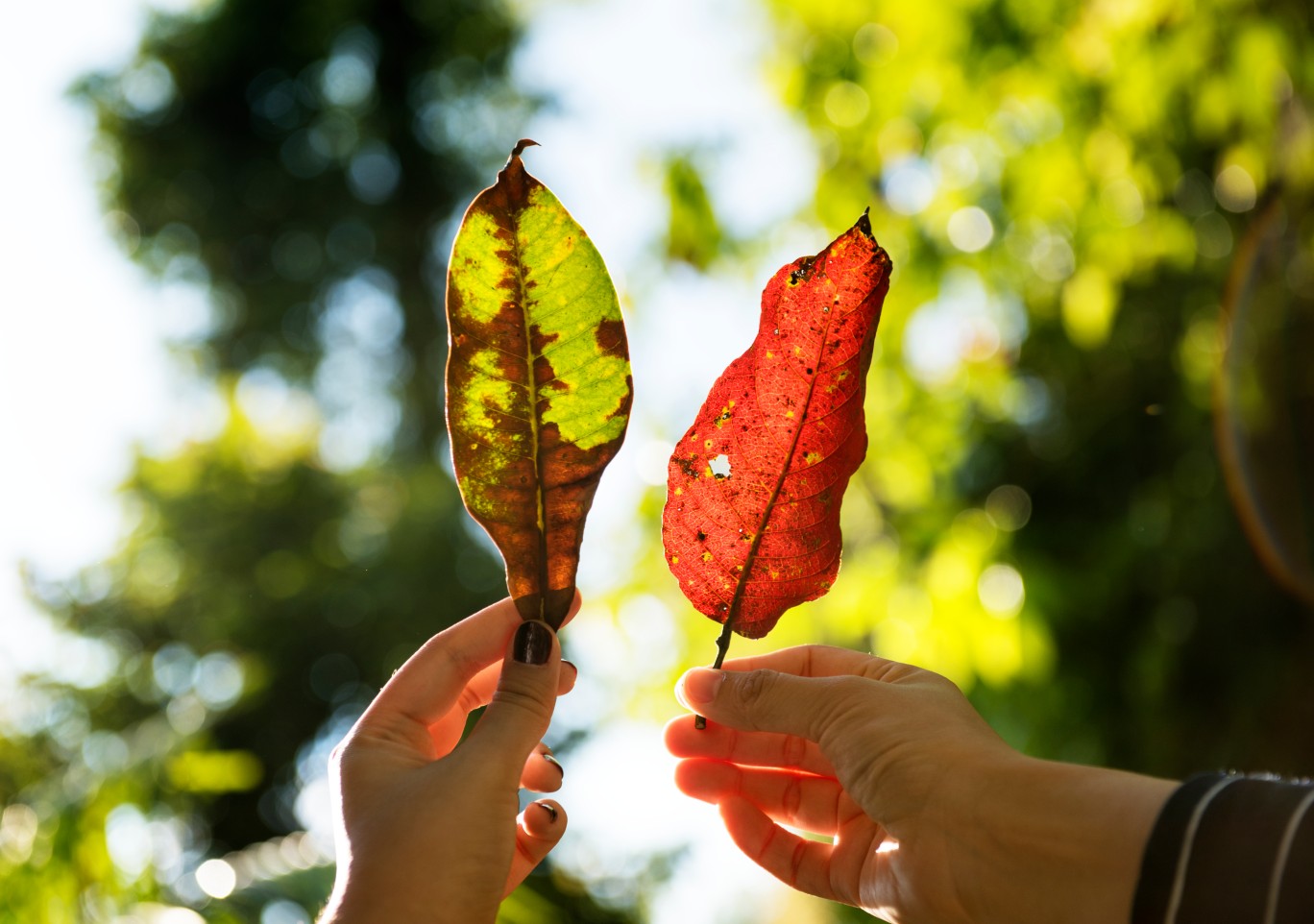
Respect nature
Respecting nature isn't just about recycling or planting a tree—it’s a fundamental shift in how you see yourself in relation to the Earth. It moves from using nature to living with nature.
Here is a practical, mindset-shifting guide on how to respect nature, broken down into actionable steps and deeper philosophies.
1. Leave no trace
Most people know the basics: pack out your trash. But true respect means leaving a place better than you found it.
-
Micro-trash: Pick up tiny bits of plastic (cigarette butts, bottle caps, glitter) that birds and fish mistake for food.
-
Sound pollution: Keep your voice down in wild areas. Loud noises stress wildlife. Let the sound of the wind, water, and birds be the dominant noise.
-
Stay on the trail: Cutting switchbacks or walking off-trail crushes fragile soil crusts (which take decades to regrow) and compacts plant roots.
2. Consume with "Radical Awareness"
Respecting nature starts at the grocery store and the mall, not just the park.
-
Ask "Where did this come from?" Before buying wood, check for FSC certification. Before buying fish, check the Seafood Watch guide. Before buying palm oil, check if it’s sustainably sourced (deforestation for palm oil kills orangutans).
-
Waste less food: 40% of food in the US is thrown away. That waste rots in landfills, producing methane (a greenhouse gas 25x more potent than CO2). Respect the energy (sun, water, soil) that went into growing that food by eating your leftovers.
-
Reject single-use plastics: Even if you recycle, most plastic isn't actually recycled. Say "no" to the straw, the plastic bag, and the disposable cutlery.
3. Change Your Gardening and Yard Habits
How you treat the dirt outside your door is how you treat the planet.
-
Kill the lawn (partially): Lawns are ecological deserts. Replace part of your grass with native plants. They require no fertilizer, no extra water, and they feed local bees and butterflies.
-
Stop using chemicals: Pesticides and herbicides don't just kill "pests"—they kill the soil microbiome and wash into rivers, creating dead zones in the ocean.
-
Leave the leaves: In autumn, don't bag up every leaf. Leave a pile in a corner of your yard for insects and small mammals to hibernate in.
4. Respect Wildlife by Giving Them Space
Respect is about consent and distance.
-
Do not feed animals: When you feed a squirrel, deer, or bird, you teach them to rely on humans. More dangerously, you alter their natural diet and make them aggressive when humans don't feed them. A fed animal is a dead animal.
-
The "Bird Rule": If an animal changes its behavior because of you (stops eating, looks at you, flies away), you are too close. Back up.
-
Slow down while driving: Drive under the speed limit at dawn and dusk to avoid hitting deer, turtles, and amphibians.
5. Respect Water Like It’s Liquid Gold
-
Turn off the tap: While brushing teeth or scrubbing dishes, turn the water off.
-
Shorter showers: Aim for 5 minutes. Treat every gallon of hot water as if you had to carry it up a mountain on your back.
-
Rainwater: If legal in your area, set up a rain barrel for your garden. This reduces stormwater runoff, which carries pollutants into rivers.
6. Shift Your Mindset: From "Tourist" to "Relative"
This is the most important step. Indigenous cultures often view nature as a relative, not a resource.
-
Learn the names: Don't just call it a "tree." Learn to identify the Oak, the Maple, or the Pine. When you know a being's name, you cannot treat it as anonymous.
-
Ask permission: Before picking a flower or collecting a rock, mentally (or verbally) ask the land if it can spare it. If you take something, give something back—like picking up a piece of trash in exchange.
-
Accept imperfection: Nature is chaotic. Wasps build nests under your eaves. Snakes sunbathe on trails. Instead of killing them out of fear, relocate them (call a professional) or simply walk around. Respect means sharing space, not dominating it.
By Jamuna Rangachari



Discussion (0)
No comments yet. Be the first to comment!
Leave a Comment
You need to login to post a comment.