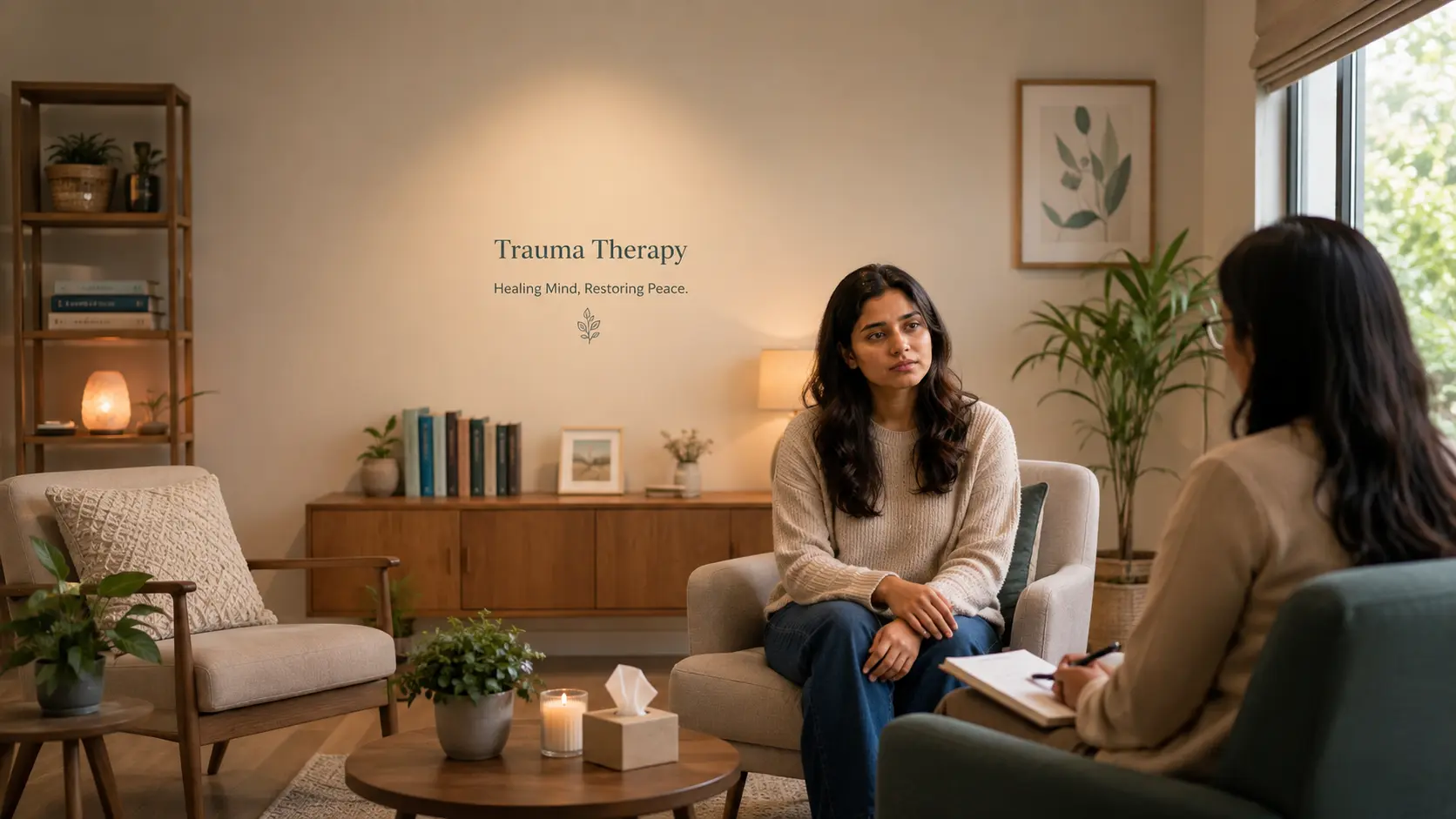
Healing From Trauma: Therapy
Dealing with Trauma – the process to help us walk on a new path
Introduction
Trauma can affect the way a person thinks, feels, behaves, relates to others, and responds to everyday situations. It may result from a single overwhelming event, such as an accident, natural disaster, assault, bereavement, or serious illness, or from repeated experiences such as abuse, neglect, violence, bullying, or prolonged stress.
Healing from trauma is possible, but recovery is rarely a simple or perfectly linear process. Healing from trauma begins with recognizing that the mind and body may continue to respond to a past threat even after the immediate danger has ended. Fear, anger, sadness, confusion, numbness, sleep problems, irritability, or difficulty concentrating can all occur after traumatic experiences.
Healing can take time. Progress may include small but meaningful changes, such as sleeping better, feeling safer in social situations, becoming less reactive to reminders of the trauma, or being able to enjoy activities again.
Key Takeaways
- Safety & Stability First: True recovery starts by establishing physical and emotional safety, regulating your nervous system, and building healthy daily routines before processing traumatic memories.
- Personalized, Multi-Faceted Healing: Effective recovery combines evidence-informed therapy, mind-body grounding techniques, and trusted social support tailored to your unique pace.
- Reclaiming Personal Agency: Healing isn't about erasing the past; it's about learning healthy coping strategies.
Understanding Trauma and the Healing Process
Emotional, Physical and Behavioral Responses
Trauma can influence emotional, physical, cognitive, and behavioral functioning.
Emotionally, a person may experience fear, anxiety, sadness, anger, guilt, shame, helplessness, emotional numbness, or a sense of disconnection. Some people may have difficulty experiencing positive emotions or may feel constantly on guard.
Physical responses can include muscle tension, headaches, fatigue, rapid heartbeat, digestive discomfort, disturbed sleep, changes in appetite, and heightened sensitivity to sounds or surroundings. These reactions can occur because the body's stress-response systems may remain activated after a traumatic event.
Behavioral changes can include withdrawing from people, avoiding certain places or situations, becoming easily irritated, working excessively, using substances to cope, or losing interest in previously enjoyable activities.
Trauma Triggers and Stress Responses
A trauma trigger is a reminder that causes a person to experience a strong emotional or physical response connected with the earlier experience. A sound, smell, location, conversation, date, facial expression, or even a particular feeling can sometimes act as a trigger.
Learning to recognize triggers can reduce their power. Instead of immediately reacting, an individual can gradually learn to identify what is happening, ground themselves in the present, and choose an appropriate response.
Individual Paths to Recovery
There is no universal timetable for trauma recovery. Factors such as the nature and duration of the trauma, previous experiences, current living conditions, social support, physical health, coping mechanisms, and access to professional care can influence recovery.
Recovery should therefore be personalized. The goal is not to compare one's progress with another person's but to identify sustainable steps that improve safety, functioning, emotional well-being, and quality of life.
Core Methodology for Trauma Recovery
Trauma-Informed Assessment
A trauma-informed assessment begins by understanding the individual's experiences without judgment or unnecessary pressure to disclose painful details immediately.
Psychotherapy and Professional Counseling
Psychotherapy is an important component of trauma recovery for many people. Different approaches may be appropriate depending on the person's circumstances.
Professional counseling can also provide a safe environment for exploring grief, anger, guilt, fear, relationship difficulties, and changes in identity following trauma.
Medication may sometimes be recommended by a qualified medical professional when symptoms are severe or when conditions such as depression, anxiety, or post-traumatic stress disorder are present. Medication decisions should be individualized and medically supervised.
Mind-Body and Grounding Practices
Trauma affects both psychological and physical experiences of stress. Mind-body practices can therefore complement professional treatment.
Gentle yoga, walking, stretching, progressive muscle relaxation, meditation, and controlled breathing may also support relaxation for some individuals.
Social Support and Safe Relationships
Healthy relationships can provide reassurance, connection, and a sense of belonging. Trusted friends, family members, support groups, counselors, or community organizations may become important sources of support.
The Trauma Recovery Procedure
Initial Assessment and Safety Planning
Recovery often begins by identifying immediate concerns. These may include ongoing exposure to danger, severe emotional distress, substance misuse, self-harm risk, unstable housing, or unsafe relationships.
Stabilization and Emotional Regulation
Before exploring traumatic memories in depth, many people benefit from developing emotional-regulation skills.
The objective is to increase the person's ability to remain present when difficult emotions arise. Therapy should progress at a pace that is appropriate for the individual's circumstances and capacity.
Integration and Long-Term Recovery
Integration involves incorporating the experience into one's life story without allowing it to define one's entire identity.
Long-term recovery does not necessarily mean never experiencing difficult emotions again. Instead, it means having the resources to respond to difficult experiences without becoming overwhelmed or losing one's sense of direction.
A Revised Way of Life After Trauma
Consistent Sleep and Daily Structure
A predictable routine can provide a sense of stability after a disruptive experience. Going to bed and waking up at reasonably consistent times, creating a calming bedtime routine, and reducing excessive screen use before sleep may support better rest.
Balanced Nutrition and Regular Movement
Nutrition cannot erase trauma, but a balanced diet supports general physical health and energy.
Healthy Boundaries and Personal Safety
Trauma recovery often involves learning to distinguish between healthy responsibility and excessive self-sacrifice.
Learning to recognize unhealthy relationship patterns can strengthen confidence and reduce the likelihood of repeatedly entering situations that undermine emotional safety.
Building Emotional Resilience
Recognizing Triggers and Early Warning Signs
An important recovery skill is identifying early signs of emotional overload.
These might include racing thoughts, irritability, muscle tension, rapid breathing, difficulty concentrating, sleep disruption, emotional withdrawal, or an urge to avoid certain situations.
Healthy Coping Strategies
Healthy coping strategies can include exercise, creative activities, talking to trusted people, breathing exercises, mindfulness, journaling, structured routines, hobbies, time in nature, and professional counseling.
Self-Compassion and Positive Self-Talk
Trauma can lead to harsh self-judgment. A person may think, "I should have handled it better," or "It was my fault."
Self-compassion involves treating oneself with the same understanding one would offer a trusted friend.
Rebuilding Confidence and Personal Agency
Trauma can make people feel powerless. Rebuilding personal agency involves making manageable choices and recognizing one's ability to influence aspects of daily life.
Rebuilding Relationships and Social Well-Being
Supportive Family and Friendships
Supportive relationships can reduce isolation and provide emotional encouragement. However, friends and family members do not need to become therapists.
Sometimes the most helpful support is simply listening without judgment, respecting boundaries, and offering practical assistance.
Communication and Healthy Boundaries
Trauma can affect communication. Healthy communication involves expressing feelings and needs clearly while respecting the boundaries of others.
Community and Professional Support
Support groups and community organizations can reduce isolation by connecting people with others who understand similar experiences.
Professional support may include psychologists, psychiatrists, counselors, social workers, or other appropriately trained professionals.
Sustaining a Healthier Lifestyle
Meaningful Activities and Personal Goals
Recovery becomes more sustainable when life contains activities that provide meaning and enjoyment.
These might include music, art, gardening, reading, volunteering, learning, travel, spiritual practices, sports, creative work, or helping others.
Work-Life Balance and Stress Management
Excessive work can sometimes become a way of avoiding painful emotions. Conversely, prolonged inactivity can increase isolation and reduce confidence.
A balanced lifestyle includes appropriate periods of work, rest, social interaction, exercise, recreation, and sleep.
Ongoing Therapy and Self-Care
Self-care should complement rather than replace appropriate treatment. It can include sleep, movement, nutrition, relationships, relaxation, hobbies, and time for reflection.
Relapse and Setback Planning
Trauma recovery is not always linear. A stressful event, anniversary, relationship difficulty, illness, or major life transition can temporarily bring back symptoms.
Knowing what to do during difficult periods can make recovery more resilient.
How to Begin Trauma Recovery
Recognizing the Need for Support
It may be time to seek professional help when trauma-related symptoms persist, interfere with relationships or work, disrupt sleep, cause significant anxiety or depression, lead to avoidance, or make everyday life difficult.
People do not need to wait until their symptoms become severe before seeking help.
Asking for support is not a sign of weakness. It is a practical step toward improving well-being.
Finding a Qualified Mental Health Professional
A qualified mental-health professional can help determine what type of support is appropriate.
A person can ask about the therapist's experience with trauma-related concerns and what treatment process they typically use.
Creating a Personalized Recovery Plan
A recovery plan should reflect the individual's needs, circumstances, preferences, and goals.
It might include:
· Establishing physical and emotional safety
· Identifying major triggers
· Improving sleep and daily routines
· Learning grounding and emotional-regulation skills
· Beginning appropriate psychotherapy
· Strengthening supportive relationships
· Developing healthier coping mechanisms
The plan can be reviewed and adjusted as recovery progresses.
Safety and Important Considerations
Avoiding Unsupervised Trauma Processing
Intentionally revisiting traumatic memories without appropriate preparation or professional support can sometimes increase distress.
People should be cautious about techniques that encourage intense emotional exposure without adequate assessment, stabilization, or supervision.
Trauma-focused treatment should ideally be conducted by appropriately qualified professionals who understand trauma and can help manage difficult reactions.
Seeking Urgent Support During a Crisis
People undergoing trauma may need to go to a professional nearby. A trusted person can also be asked to stay with the individual while urgent help is arranged. Crisis support should take priority over self-help techniques.
Frequently Asked Questions
Trauma Recovery and Therapy
Can trauma be completely healed?
Many people experience substantial improvement after trauma and go on to lead fulfilling lives. Recovery does not necessarily mean that every memory disappears or that difficult emotions never return. Instead, the goal is to reduce the impact of trauma and increase the person's ability to live safely and meaningfully.
Is therapy necessary for trauma recovery?
Not everyone requires the same level of professional treatment. However, persistent, severe, or disruptive symptoms can benefit greatly from professional assessment and therapy. Specialized trauma-focused therapies may be particularly useful for people experiencing significant trauma-related symptoms.
Lifestyle Changes After Trauma
Can exercise help with trauma recovery?
Regular physical activity can support general physical and emotional well-being and may help regulate stress. Activities should be chosen according to physical ability and comfort.
Can meditation help after trauma?
Mindfulness and relaxation practices may help some people become more aware of their emotions and reduce stress. However, certain practices can feel uncomfortable for some trauma survivors. Starting gently and seeking professional guidance when necessary is advisable.
How can I manage a trauma trigger?
First, recognize that a trigger is producing a stress response. If you are safe, orient yourself to the present, slow your breathing, notice your surroundings, and remind yourself that the current situation may be different from the past experience. If triggers are frequent or overwhelming, professional support can help.
Long-Term Emotional Well-Being
Can someone live a normal life after trauma?
Yes. Many people recover and develop fulfilling relationships, careers, interests, and goals after traumatic experiences. Recovery may involve creating a new sense of normal rather than returning exactly to life as it was before the trauma
Taking the First Step Toward a Healthier Life After Trauma
Healing from trauma is a journey of gradually rebuilding safety, stability, confidence, connection, and hope. The experience may remain an important part of a person's life story, but it does not have to determine the person's future.
Recovery does not require doing everything at once. Small, consistent steps can create meaningful change. With appropriate support, healthy coping strategies, safe relationships, professional care when needed, and a compassionate attitude toward oneself, it is possible to move toward a healthier and more purposeful way of life after trauma.
Do understand that this does require assistance, so do not hesitate to seek professional help to become completely all right and manage your life without trauma.
Wish you all the best for a trauma-free life.
By Jamuna Rangachari

.png)
Discussion (0)
No comments yet. Be the first to comment!
Leave a Comment
You need to login to post a comment.