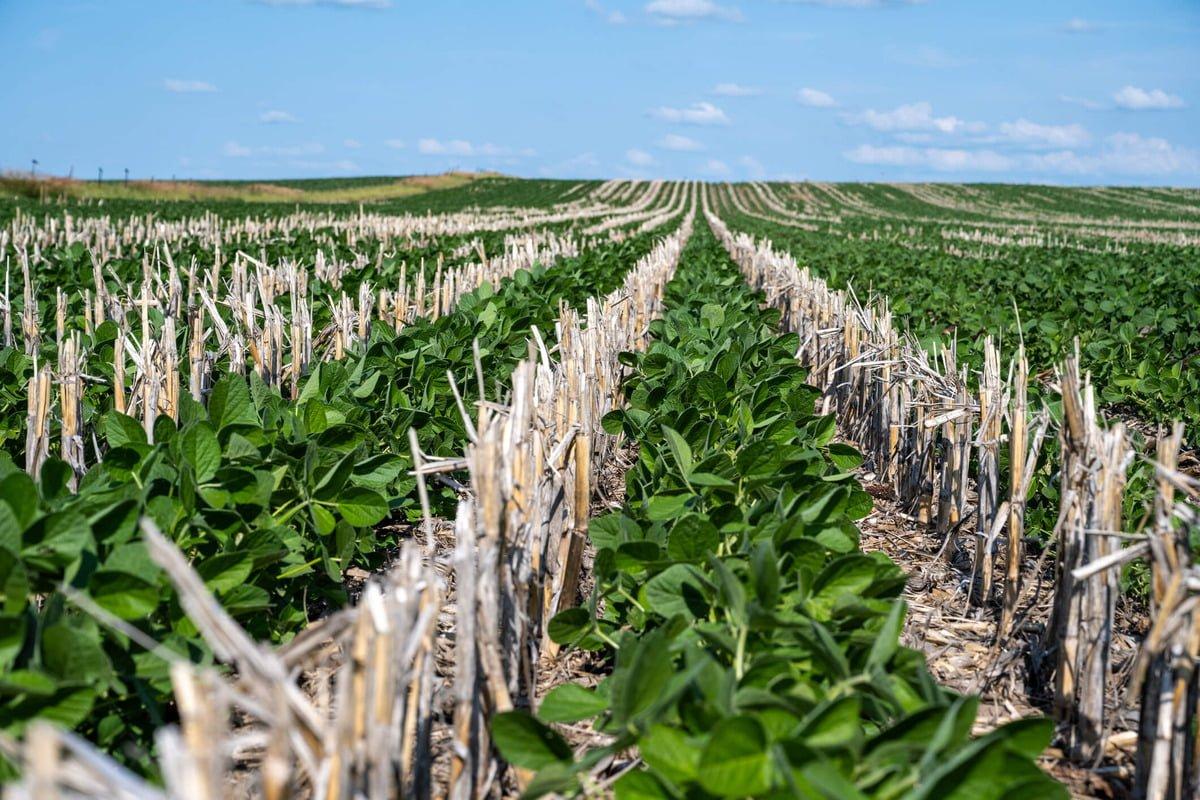
UK policy 2050 focuses on regenerative agriculture
UK policy 2050 focuses on regenerative agriculture
This has many benefits for all
Regenerative agriculture is an approach to farming that aims to restore and improve the health of soil, ecosystems, and biodiversity while producing food. Rather than simply reducing environmental harm, it focuses on regenerating natural resources over time.
Core principles
While practices vary by region and farm type, regenerative agriculture often includes:
Minimizing soil disturbance: Reducing or eliminating tillage to protect soil structure and microorganisms.
Keeping soil covered: Using cover crops or mulch to prevent erosion and conserve moisture.
Maintaining living roots year-round: Growing plants as much of the year as possible to feed soil microbes.
Increasing biodiversity: Rotating crops, intercropping, and integrating trees or livestock where appropriate.
Integrating livestock: Managed grazing can help recycle nutrients and stimulate plant growth when done carefully.
Adding organic matter: Using compost, manure, or crop residues to build soil carbon and fertility.
Benefits
Potential benefits include:
Improved soil fertility and structure
Better water infiltration and drought resilience
Reduced soil erosion
Increased biodiversity above and below ground
Greater carbon storage in soils, which may help mitigate climate change
Potential reductions in fertilizer and pesticide use over time
Challenges
Regenerative agriculture also has challenges:
Transitioning from conventional methods can take several years.
Initial costs for new equipment or practices may be high.
Results depend on local climate, soil type, and management.
Measuring improvements such as soil carbon and ecosystem health can be complex.
Common practices
Practice
Main purpose
Cover cropping
Protect soil and add organic matter
No-till or reduced tillage
Preserve soil structure
Crop rotation
Break pest cycles and improve fertility
Compost application
Increase soil organic matter
Rotational grazing
Improve pasture health and nutrient cycling
Agroforestry
Combine trees with crops or livestock for biodiversity and resilience
Is regenerative agriculture the same as organic farming?
Not necessarily. Organic farming follows specific certification rules, especially regarding synthetic pesticides and fertilizers. Regenerative agriculture is an outcomes-focused approach centered on improving soil and ecosystem health. Some regenerative farms are organic, while others are not.
Overall, regenerative agriculture is increasingly seen as a promising way to produce food while improving the long-term health of agricultural land, though the effectiveness of specific practices depends on local conditions and good management.
We hope the whole world follows the UK's example so the era of good farming returns to make all of us self-sufficient and healthy. For when our soil becomes healthy, our body also benefits.
By Jamuna Rangachari
.png)


Discussion (0)
No comments yet. Be the first to comment!
Leave a Comment
You need to login to post a comment.