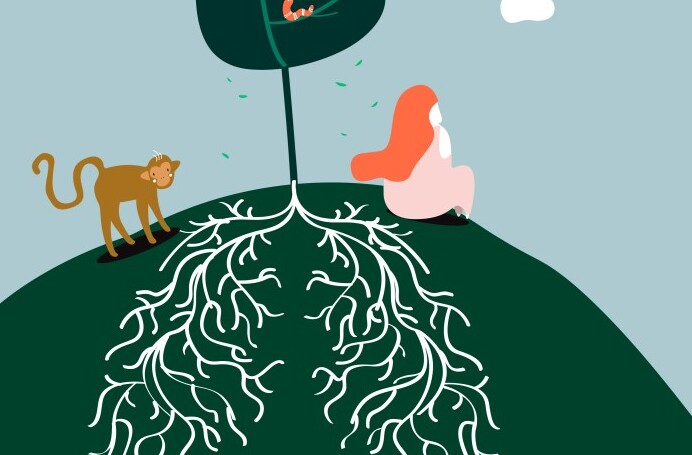
Ukraine rewilds itself
Despite the war situation, Ukraine is rewilding itself.
Rewilding offers significant benefits that extend across ecological, climatic, and socioeconomic spheres, building resilience and supporting both nature and people.
? Building Ecosystem Resilience
A primary benefit of rewilding is enhancing an ecosystem's ability to withstand and recover from disturbances like wildfires, droughts, and invasive species. A major 2025 meta-analysis found that rewilding interventions—such as reintroducing herbivores and removing invasive plants—improved resilience in nearly 70% of observations analyzed. This resilience stems from restoring natural processes that allow ecosystems to self-regulate rather than requiring intensive human management.
? Combating Climate Change
Rewilded ecosystems act as powerful carbon sinks, capturing and storing significant amounts of CO?.
-
Carbon Sequestration: Restored peatlands can sequester 300-450 tons of CO? per hectare, while other habitats like old-growth forests and rewilded grasslands also offer substantial storage potential. The return of diverse animal populations enhances this effect; for example, forests with apex predators like tigers store more carbon.
-
Mitigating Natural Disasters: By restoring natural water cycles and vegetation, rewilding helps reduce the severity of floods and wildfires. For instance, in Spain, reintroduced Przewalski's horses help control vegetation growth, thereby reducing fuel for fires in a region increasingly prone to them.
? Reversing Biodiversity Loss
Rewilding directly tackles biodiversity decline by restoring complex food webs and habitats.
-
Keystone Species Impact: The reintroduction of "keystone species" triggers a cascade of ecological benefits. For example, returning the Eurasian lynx helps control deer overpopulation, allowing forest regeneration. European bison shape forest structures and disperse seeds, while beavers create biodiverse wetlands that support a wide range of other species.
-
Habitat Creation: Rewilding creates dynamic, connected landscapes that provide diverse habitats, supporting the return of numerous plant and animal species.
? Boosting Local Economies
Rewilding generates tangible economic benefits for rural communities, often creating new opportunities in regions facing depopulation and economic decline.
-
Job Creation and Local Business: In the Italian Apennines, a rewilding project generated over €431,000 for the local economy, primarily through local spending on services and products, and by supporting nature-based tourism. The Rewilding Spain project employs nearly 20 local people and has established agreements with 13 entrepreneurs for ecotourism.
-
Ecotourism: Nature-based tourism is a major economic driver. In Western Iberia, ecotourism and wildlife guiding generate over €1.2 million annually.
-
Return on Investment: For every €1 invested in rewilding, an estimated €3-4 is returned in local economic value through tourism, ecosystem services, and employment.
Though everyone situation is different, we all certainly have something to learn from Ukaine.
By Jamuna Rangachari



Discussion (0)
No comments yet. Be the first to comment!
Leave a Comment
You need to login to post a comment.