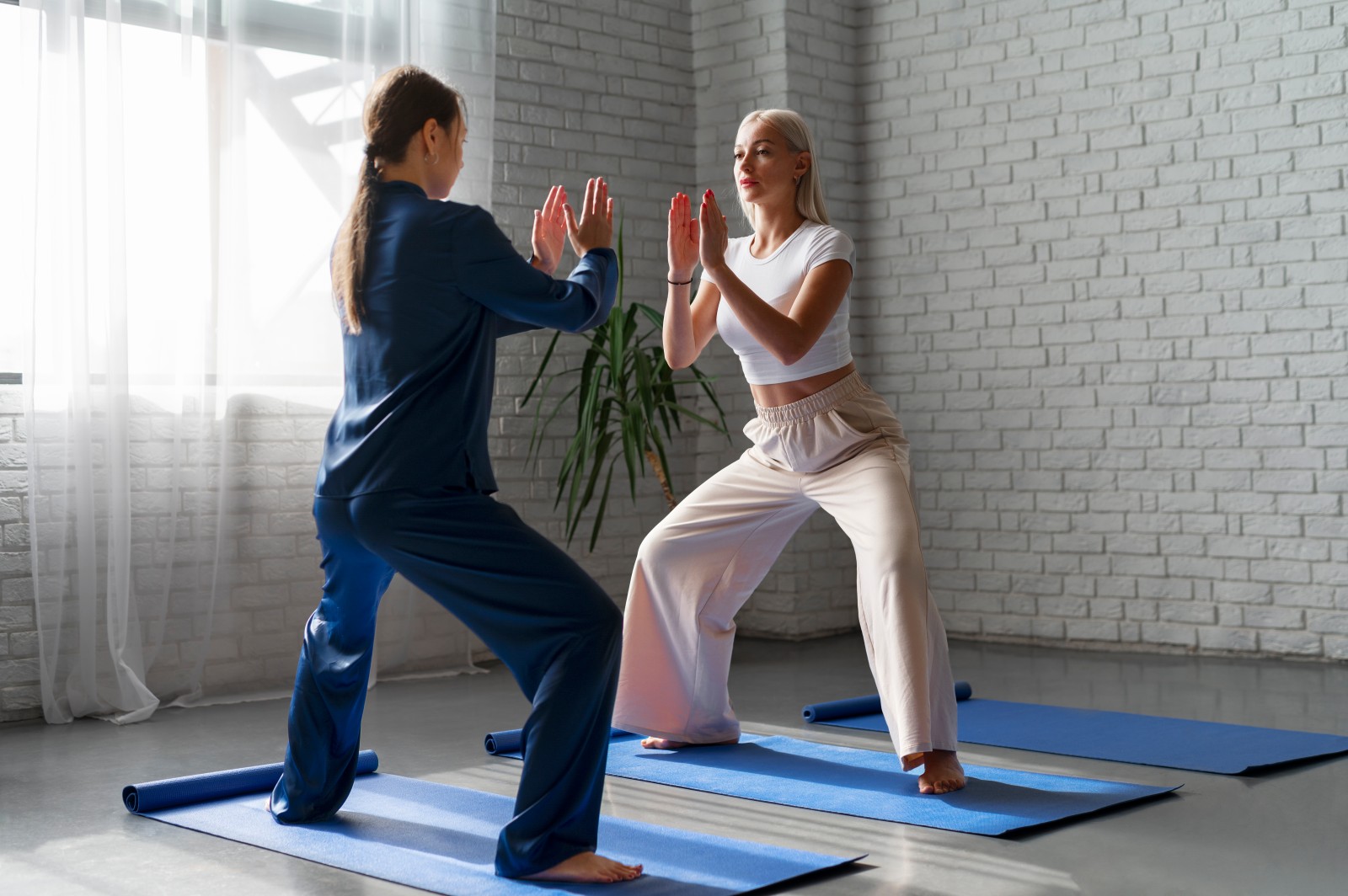
Wellness Through Tai Chi: Process, Methodology and Benefits
Introduction
Tai Chi is a gentle mind-body practice that combines flowing movements, controlled breathing, balance and focused awareness. Originating in China, it has traditionally been associated with martial arts and has developed into a widely practised form of exercise and moving meditation.
Tai Chi can be adapted to different fitness levels and may be particularly appealing to people who prefer low-impact physical activity. Regular practice may support balance, mobility, flexibility, physical function, relaxation and mental well-being. It can also provide an opportunity to slow down and become more attentive to the present moment.
Tai Chi should be viewed as a complementary wellness practice rather than a replacement for medical treatment. Its benefits can be enhanced when it is combined with nutritious food, adequate sleep, appropriate physical activity, meaningful social connections and effective stress-management strategies.
Wellness Through Tai Chi
Wellness involves more than the absence of illness. It includes physical vitality, emotional balance, mental clarity, social connection and the ability to participate meaningfully in everyday life. Tai Chi can contribute to several of these dimensions through a combination of movement, breathing and mindful attention.
A Tai Chi session may look simple from the outside, but the practice requires concentration. The practitioner learns to maintain posture while transferring weight from one leg to another, move the arms smoothly and remain aware of breathing. Over time, this can encourage better coordination and body awareness.
One of the appealing features of Tai Chi is its relatively gentle nature. Movements are usually performed without sudden impacts or rapid changes in direction. This makes Tai Chi suitable for many people who want to remain physically active while avoiding highly strenuous exercise.
The practice can also create a sense of mental space. Setting aside time for slow movement can help people step away temporarily from constant multitasking and focus on what they are doing in the present moment.
Understanding Tai Chi for Wellness
Mind-Body Connection and Relaxation
Tai Chi brings attention to both physical movement and mental awareness. Instead of moving automatically, practitioners are encouraged to observe posture, weight distribution, breathing and sensations within the body.
This mind-body connection can promote relaxation. Slow movement and deliberate breathing may help shift attention away from stressful thoughts and toward the immediate experience of the practice.
Tai Chi is not necessarily about forcing the mind to become completely empty. Rather, it encourages calm attention. When thoughts arise, practitioners can gently return their awareness to movement and breathing.
This approach can make Tai Chi useful as one component of a broader stress-management programme.
Gentle Movement and Body Awareness
Body awareness means noticing how the body moves, where tension is held and how weight is distributed. Tai Chi encourages this awareness through slow transitions and controlled postures.
For example, a practitioner may become more conscious of how the feet connect with the ground while shifting weight from one side to another. The shoulders, arms, spine, hips and knees work together rather than functioning as isolated parts.
With regular practice, people may become more attentive to their posture and movement during everyday activities such as walking, standing and reaching.
Breathing, Balance and Mental Focus
Breathing is an important element of Tai Chi. Practitioners generally aim for comfortable, natural breathing rather than forcing the breath.
Coordinating breathing with movement can provide a steady rhythm during practice. At the same time, maintaining attention on foot placement and weight transfer challenges concentration and balance.
This combination of breathing, movement and focus makes Tai Chi a form of moving meditation for many practitioners.
Tai Chi Methodology
Tai Chi methodology centres on relaxed, controlled movement rather than speed or muscular force. Although different Tai Chi styles and schools use different forms, several principles commonly appear across practices.
Centering the Body and Mind
The practitioner brings attention inward and allows unnecessary muscular tension to soften. This creates a foundation for movement.
Mental centering is equally important. Instead of rushing into a sequence, the practitioner develops awareness of the body, breathing and surrounding space.
Coordinating Movement and Breath
Tai Chi encourages coordination between breathing and movement. Movements are performed smoothly, allowing the breath to remain comfortable.
The objective is not to hold the breath or manipulate it forcefully. Beginners can first learn the movements naturally and gradually introduce greater awareness of breathing.
With practice, breathing and movement can become more synchronized, contributing to a calm and rhythmic experience.
Practicing Slow, Controlled Movements
Slow movement is one of Tai Chi's most recognizable characteristics. Moving slowly gives practitioners time to observe posture, balance and coordination.
It also reduces the tendency to rely on momentum. Instead, the practitioner learns to control transitions between movements.
However, slow does not mean rigid. Movements should generally remain fluid and comfortable. Excessive tension can interfere with the natural flow of the practice.
Developing Balance and Body Awareness
Weight shifting is an important aspect of many Tai Chi movements. Practitioners learn to recognize when their weight is centred and when it is moving from one foot to another.
This can develop awareness of balance and coordination. For older adults in particular, balance-oriented exercise can be valuable as part of an overall strategy for maintaining physical function.
Balance exercises should nevertheless be appropriately modified for individual abilities, especially when someone has a history of falls or mobility difficulties.
The Tai Chi Process
Preparing the Body and Practice Space
A suitable Tai Chi environment should provide enough space to move comfortably. A quiet area with a stable, non-slippery surface is preferable.
Wear comfortable clothing that allows unrestricted movement. Footwear should provide appropriate support, or practice may be performed according to the instructor's guidance.
Before beginning, take a moment to assess how the body feels. If there is significant pain, dizziness, unusual weakness or illness, it may be better to postpone the session or seek appropriate advice.
Warm-Up and Gentle Mobility
A warm-up prepares the body for movement. It may include gentle shoulder movements, ankle rotations, relaxed knee movements, slow weight shifting and comfortable range-of-motion exercises.
The purpose is not to exhaust the body. Instead, the warm-up gradually introduces movement and allows the practitioner to notice areas of stiffness or discomfort.
Learning Basic Tai Chi Movements
Beginners usually benefit from learning individual movements before attempting a complete sequence.
An instructor may introduce basic stances, weight transfers and arm movements. Each movement can then be connected to the next until a continuous form develops.
Learning gradually helps prevent frustration. There is no need to memorize a long sequence immediately. Understanding the principles of posture, balance and relaxation is often more useful than simply trying to reproduce movements quickly.
Connecting Movement With Breathing
Once basic movements become familiar, attention can gradually be brought to breathing.
The practitioner allows the breath to remain smooth and comfortable while moving. If concentrating on breathing makes the person tense or uncomfortable, it is better to return to natural breathing.
Over time, movement and breathing can become more coordinated without conscious effort.
Closing With Relaxation and Reflection
A Tai Chi session can end with several slow movements followed by a period of quiet standing or sitting.
This closing phase provides an opportunity to notice how the body feels after practice. Some people may experience a sense of calm, while others may simply feel more physically aware.
A brief reflection can help transform Tai Chi from an occasional exercise into a mindful daily practice.
Potential Benefits of Tai Chi
Stress Reduction and Relaxation
Tai Chi's combination of slow movement, breathing and focused attention may promote relaxation. Practising in a quiet environment can provide a temporary break from work pressures, digital stimulation and repetitive worrying.
Stress reduction is particularly valuable when combined with other healthy habits such as adequate sleep, social support and time in nature.
Tai Chi should not be considered a standalone treatment for significant anxiety, depression or other mental-health conditions. Professional support may be appropriate when symptoms are persistent or interfere with daily life.
Balance, Flexibility and Mobility
Tai Chi involves controlled weight shifting and coordinated movement. These activities can help people practise balance and movement control.
Regular movement may also support joint mobility and flexibility. Because the exercises are generally low impact, Tai Chi can be an attractive option for people who find high-impact activities uncomfortable.
Nevertheless, flexibility varies considerably between individuals. Movements should never be forced into painful positions.
Strength and Physical Function
Although Tai Chi does not resemble conventional strength training, maintaining controlled postures and repeatedly transferring body weight can challenge the muscles.
For comprehensive physical fitness, however, Tai Chi can be combined with other forms of exercise, including appropriate aerobic activity and resistance training.
The aim is to create a balanced fitness programme rather than expecting one activity to provide every form of physical conditioning.
Focus and Mindful Awareness
Tai Chi requires attention to movement, breathing, posture and balance. This can cultivate mindful awareness.
Practitioners may gradually become better at noticing when the mind has wandered and returning attention to the present activity. This principle can extend beyond Tai Chi into everyday tasks.
Mindful awareness can also encourage people to recognize physical tension earlier and respond by adjusting posture, movement or rest.
Overall Quality of Life and Well-Being
Physical activity, social interaction, relaxation and a sense of personal accomplishment can all contribute to well-being.
Participating in a Tai Chi class may also provide social connection. Practising with others can create a sense of community and encourage regular participation.
The broader benefit may therefore come not only from the movements themselves but from establishing a healthy routine that encourages physical activity and mental calm.
Tai Chi as Part of a Healthy Lifestyle
Regular Movement and Physical Activity
Tai Chi can form one part of a physically active lifestyle. People may combine it with walking, swimming, cycling, yoga or appropriately designed strength exercises.
The best routine is one that can be maintained consistently and adjusted to individual needs.
Mindfulness and Meditation
Tai Chi shares several characteristics with mindfulness and meditation, particularly its emphasis on present-moment awareness.
It can therefore complement seated meditation, breathing exercises or mindful walking.
For someone who finds sitting meditation difficult, moving meditation through Tai Chi may provide a more accessible starting point.
Healthy Sleep and Recovery
A healthy sleep routine is essential for physical and mental recovery. Gentle evening movement may help some people transition into a calmer state before bedtime.
However, individual responses differ. People should observe whether evening practice feels relaxing or stimulating and adjust the timing accordingly.
Tai Chi should complement—not replace—good sleep habits such as maintaining regular sleep times, limiting excessive evening stimulation and creating a comfortable sleeping environment.
Stress Management and Emotional Wellness
Tai Chi can become part of a personal stress-management toolkit.
Other useful approaches include healthy communication, time management, relaxation techniques, enjoyable hobbies, social support and professional counselling when needed.
The objective is not to eliminate every stressful experience but to develop healthier ways of responding to life's challenges.
Creating a Sustainable Tai Chi Routine
Starting With Short Sessions
Beginners do not need to practise for an hour immediately. A short session can be enough to learn the basic principles.
Starting with approximately 10 to 15 minutes may make the practice feel manageable. The duration can gradually increase as comfort and confidence develop.
Practicing With Consistency
A short practice several times a week can help establish familiarity with the movements. Once the habit becomes comfortable, people can increase duration or frequency according to their goals.
Keeping a simple practice calendar can provide motivation without turning wellness into a source of pressure.
Progressing at an Individual Pace
Tai Chi is not a competition. People have different levels of flexibility, balance, strength and coordination.
Some may learn a sequence quickly, while others need more repetition. Both approaches are perfectly acceptable.
Progress can be measured through improved comfort, coordination, confidence and consistency rather than comparing performance with other practitioners.
Integrating Tai Chi Into Daily Life
Tai Chi principles can extend beyond formal sessions.
A person might practise relaxed breathing while waiting for an appointment, pay attention to posture while standing or perform a few gentle movements during a work break.
These small moments of awareness can reinforce the central idea of Tai Chi: moving through life with greater attention and less unnecessary tension.
Choosing the Right Tai Chi Guidance
Instructor Experience and Training
A qualified and experienced instructor can help beginners understand posture, movement and appropriate modifications.
When selecting an instructor, consider their training, experience teaching beginners and ability to accommodate different physical abilities.
An instructor should encourage safe, comfortable movement rather than pushing students beyond their limitations.
Beginner-Friendly Instruction
Beginners generally benefit from clear demonstrations and gradual instruction.
A good class should explain movements step by step and allow participants enough time to practise them. The instructor should also explain how to modify movements when necessary.
Online instruction can be useful, but beginners with balance or mobility concerns may benefit from supervised teaching, particularly when learning unfamiliar movements.
Personalized Practice and Modifications
Movements can often be modified for different abilities.
Some practitioners may need smaller ranges of motion, additional support or seated variations. An instructor who understands adaptation can make the practice more inclusive and comfortable.
Safety and Practical Considerations
Appropriate Intensity and Movement
Tai Chi is generally gentle, but gentle exercise can still cause problems if movements are performed incorrectly or beyond one's capacity.
Move gradually and avoid forcing joints into uncomfortable positions. Maintain awareness of foot placement and surroundings.
Adapting Practice to Physical Limitations
People with limited mobility can explore modified or seated Tai Chi under suitable guidance.
Those with balance difficulties may initially practise near a stable support. Individuals recovering from injury should follow the recommendations of their healthcare professionals.
The objective is to make movement safe and sustainable rather than attempting to reproduce every traditional posture exactly.
Medical Guidance for Existing Health Concerns
People with significant medical conditions, recent injuries, severe balance problems or other concerns should discuss appropriate exercise with their healthcare professional.
Tai Chi can complement medical care but should not replace prescribed treatment.
Anyone who experiences chest pain, severe breathlessness, fainting, sudden weakness or other concerning symptoms during exercise should stop and seek appropriate medical attention.
Frequently Asked Questions
Tai Chi for Beginners
Is Tai Chi suitable for beginners?
Yes. Tai Chi is commonly taught progressively, making it accessible to beginners. Starting with basic movements and short sessions can make learning easier.
No particular level of athletic fitness is required for basic Tai Chi. However, movements should be adapted to individual abilities.
There is no fixed timeframe. Basic movements can be learned relatively quickly, while developing fluidity, balance and deeper awareness can take considerably longer.
Tai Chi and Stress Management
Can Tai Chi reduce stress?
Tai Chi may support relaxation and stress management through slow movement, controlled breathing and focused attention. Its effects vary between individuals.
Is Tai Chi a form of meditation?
Tai Chi is often described as a moving meditation because it combines physical movement with sustained awareness. It can complement conventional meditation practices.
Recommended Practice Frequency
How often should I practise Tai Chi?
A practical starting point is several short sessions each week. As the practice becomes comfortable, frequency and duration can be increased according to individual goals and physical capacity.
Regularity is more important than forcing long sessions.
Tai Chi and Overall Wellness
Can Tai Chi replace other exercise?
Tai Chi can provide valuable movement and balance practice, but a well-rounded fitness programme may also include aerobic activity and muscle-strengthening exercises.
Can older adults practise Tai Chi?
Many older adults find Tai Chi appealing because it can be performed at a relatively gentle intensity. However, individual modifications may be necessary, especially for people with balance or mobility concerns.
Can Tai Chi improve general well-being?
Tai Chi may contribute to well-being by combining physical activity, relaxation, concentration and mindful awareness. The greatest benefits are likely to come when it becomes part of a broader healthy lifestyle.
Beginning Your Tai Chi Wellness Journey
Beginning Tai Chi does not require perfection. It begins with a willingness to slow down, move gently and pay attention.
Start with a comfortable space, simple movements and a manageable amount of practice. Focus first on posture and relaxed movement rather than trying to memorize an entire sequence. Gradually introduce greater awareness of breathing, balance and body sensations.
As confidence grows, regular practice can become a natural part of daily life. A morning session can provide a mindful beginning to the day, while a short practice in the evening may offer an opportunity to unwind. Even a few minutes of conscious movement can create a pause in an otherwise busy schedule.
Tai Chi is ultimately about developing a more harmonious relationship between movement, breathing and awareness. Its gentle methodology makes it an appealing complementary wellness practice for people seeking physical activity without excessive intensity and mental relaxation without complete stillness.
As with any wellness practice, individual needs differ. Tai Chi works best when integrated with nutritious food, sufficient sleep, regular physical activity, healthy relationships, emotional support and appropriate medical care. The goal is not simply to perform the movements correctly, but to develop sustainable habits that support a healthier, calmer and more balanced life.
Wish you all the best in leading a balanced life with tai chi.
By Jamuna Rangachari

.png)

Discussion (0)
No comments yet. Be the first to comment!
Leave a Comment
You need to login to post a comment.