Yoga Exercises for Gas Relief: Easy Poses
Yoga exercises for gas relief offer a natural, direct method to clear trapped intestinal air, decrease abdominal distension, and restore internal gut comfort. Gas buildup typically results from fast eating, sluggish digestion, high-sulfur foods, or stress-induced gut tension. By using targeted body positioning, gentle abdominal compression, and intentional breathing, you can physically move air through the colon's natural pathways.
Incorporating yoga for gas relief into your morning routine or after a heavy meal aids in regulating digestive transit and relaxing the enteric nervous system.
Key Takeaways
- Targeted Air Clearance: Postures that compress the abdomen physically encourage trapped gas to travel down the descending colon.
- Gut-Brain Relaxation: Deep diaphragmatic breathwork during practice lowers stress levels, allowing smooth muscle contractions in the intestines.
- Gentle Mechanical Massage: Twisting and folding asanas provide a mechanical massage to visceral organs, encouraging natural elimination.
Benefits of Yoga Exercises for Gas Relief
Performing regular yoga exercises for gas relief offers immediate physical comfort by assisting the release of trapped air in the intestines.
- Peristalsis Stimulation: Pressure control assists in stimulating slow-moving intestinal muscles, aiding in pushing air and food down.
- Abdominal Cramps: Stretching the cramped visceral muscles reduces spasm resulting from accumulation of gases.
- Increased Blood Flow to the Visceral Region: Compressing and decompressing of the abdomen increases flow of fresh oxygenated blood to the gut.
- Vagus Nerve Calmness: The movements make one’s body move from a “fight-or-flight” to “rest-and-digest” state.
Best Poses: Yoga Exercises for Gas Relief
Practicing targeted yoga exercises for gas relief gently massages the gastrointestinal tract, stimulating natural bowel motility.
Below is a table summarizing four foundational asanas for releasing trapped gas and softening the midsection:
|
|
|
|
|
|
|
|
|
|
|
|
|
|
|
|
|
|
|
|
|
|
|
|
|
Step-by-Step Instructions - Yoga for Gas Relief
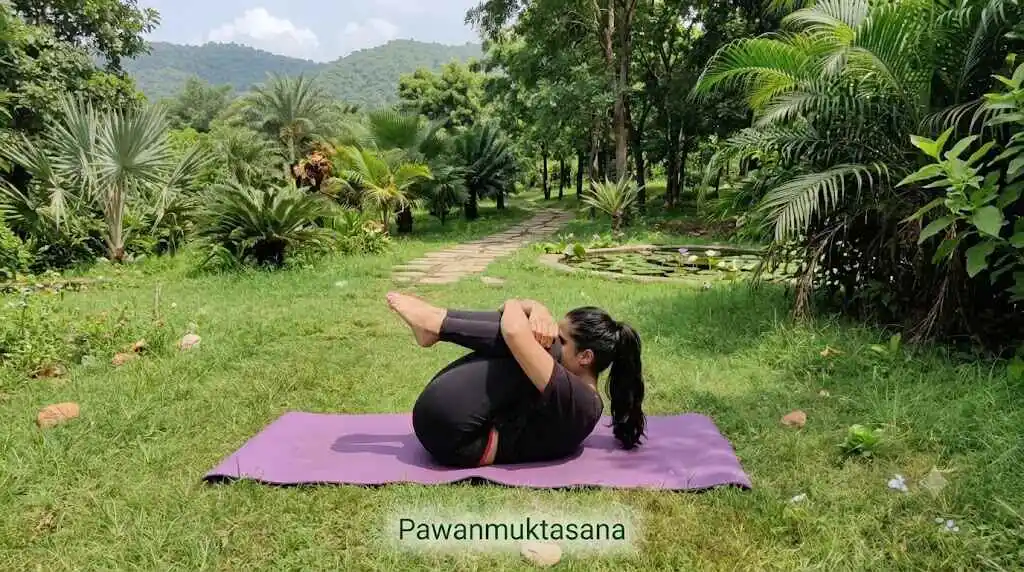
1. Pawanmuktasana (Wind-Relieving Pose)
- Step 1: Lie down on your back on a yoga mat while keeping your feet straight out.
- Step 2: As you exhale, bring your knees into a bent position as close as possible to your chest.
- Step 3: Hold your legs tightly by clasping your hands onto the shins or forearms of your legs.
- Step 4: Practice slow, deep breathing from the belly, and then slowly return to the starting position.
2. Balasana (Child’s Pose)
- Step 1: Get into the position by kneeling and then sitting on your heels.
- Step 2: Spread your legs wide or leave them close for different levels of abdominal pressure on your legs.
- Step 3: Fold yourself at your hips and place your head on the floor.
- Step 4: Outstretch your hands either in front of you or by your feet while inhaling into your abdomen and then gradually rise up.
3. Malasana (Garland Pose)
- Step 1: Take a stance with your feet a little wider than your hip width and toes turned outwards.
- Step 2: Inhale and bend your knees deeply and take a deep squatting pose.
- Step 3: Place your hands in front of your chest with the palms together as if in a praying posture.
- Step 4: Slightly push your elbows towards your inner thighs and hold the posture for a few breaths.
4. Supta Matsyendrasana (Supine Spinal Twist)
- Step 1: Lie down straight on your back with arms stretched wide in a T shape and bend your knees towards your body.
- Step 2: Slowly exhale and bring both knees over towards the right hand side and place your knees on the ground.
- Step 3: Turn your head slightly to the left while keeping your shoulder blades anchored to the ground.
- Step 4: Remain in that position for 5–10 breaths and inhale to bring back your knees into a center position.
More Poses for Fast Bloat Relief
- Parivrtta Uttanasana (Revolved Standing Forward Fold): Fold forward, place one hand on the floor, and twist your torso upward to wring out trapped gas from your middle abdomen.
- Apanasana (Knees-to-Chest Pose): Lie on your back, hug both knees into your belly, and rock gently to physically push out stubborn air.
- Mandukasana (Frog Pose): Press your fists into your lower belly while kneeling and fold forward to target deep intestinal blockages.
Health Conditions Managed by Yoga for Gas Relief
1. Irritable Bowel Syndrome (IBS):
Helps relieve abdominal spasms, bloating, and irritable bowels by relaxing the enteric nervous system and relieving tension in the gut.
2. Functional Dyspepsia (Indigestion):
Helps alleviate upper abdominal fullness, early satiety, and indigestion by exciting the visceral organs and increasing gastric motility.
3. Flatulence & Meteorism (Bloating from Gas Build-Up):
Physically applies pressure to the intestines to expel persistent pockets of air and prevent excessive gas build-up in the intestines.
4. Acid Reflux & GERD (Mild):
Upright and twisting movements help remove acids in the esophagus and prevent pressure on the stomach that causes the reflux of the acid.
5. Stress-Induced Gastrointestinal Spasms:
Activates the parasympathetic (“rest-and-digest”) nervous system through deep breathing and helps soothe the overly sensitive gut.
Final Thoughts
The yoga stretches to alleviate gas offer a dependable natural solution for dealing with discomfort associated with intestinal bloating and the pressure. The practice of light physical pressure coupled with deep breathing will assist in massaging the gut, soothing the tight abdominal muscles and helping the trapped gas to pass out from the body effortlessly. Incorporation of these stretches into your daily activity is an effective way of ensuring digestive comfort and gut health. Dedicated sessions of yoga exercises for gas relief lower internal stress and promote healthy, efficient digestion throughout the day.
Frequently Asked Questions (FAQs)
1. What can I do to speed up my digestion?
In order to have better digestion, one should drink warm water, do a short 10-minute walk after meals, and practice poses that will allow one to release trapped gas, for instance, Pawanmuktasana and Child’s Pose.
2. How long time after eating can I practice yoga for gas relief?
Active yoga poses should be practiced only 1.5-2 hours following a light meal and 3 hours after having a heavy meal; gentle reclining poses can be practiced right away if one feels bloated.
3. Why does yoga make the trapped gas come out?
Yoga makes the trapped gas come out due to physical compression and twisting of the abdominal cavity, causing light pressure to intestines and relaxation of the pelvic muscles, allowing trapped gas pockets to move through the digestive system.
4. Is it possible to get rid of the trapped gas just through deep breathing?
Diaphragmatic breathing brings the diaphragm down to the abdominal space and, thus, massages the internal organs, making the nervous system calm and easing muscle spasms caused by gas.
5. What time of day is the best for practicing poses for gas relief?
The morning and evening time is good times for practicing yoga exercises for gas relief.
Disclaimer: The content on LifePositive.com, including articles/blogs on yoga, acupuncture, naturopathy, and other alternative healing modalities for holistic wellness, is for informational and educational purposes only. It is not a substitute for professional medical advice, diagnosis, or treatment. Always consult a qualified healthcare provider before starting any new health protocol or making changes to an existing treatment plan.
Also Read: Yoga for stiff neck
By Umesh Kumar Khiri

.jpg)

Discussion (0)
No comments yet. Be the first to comment!
Leave a Comment
You need to login to post a comment.