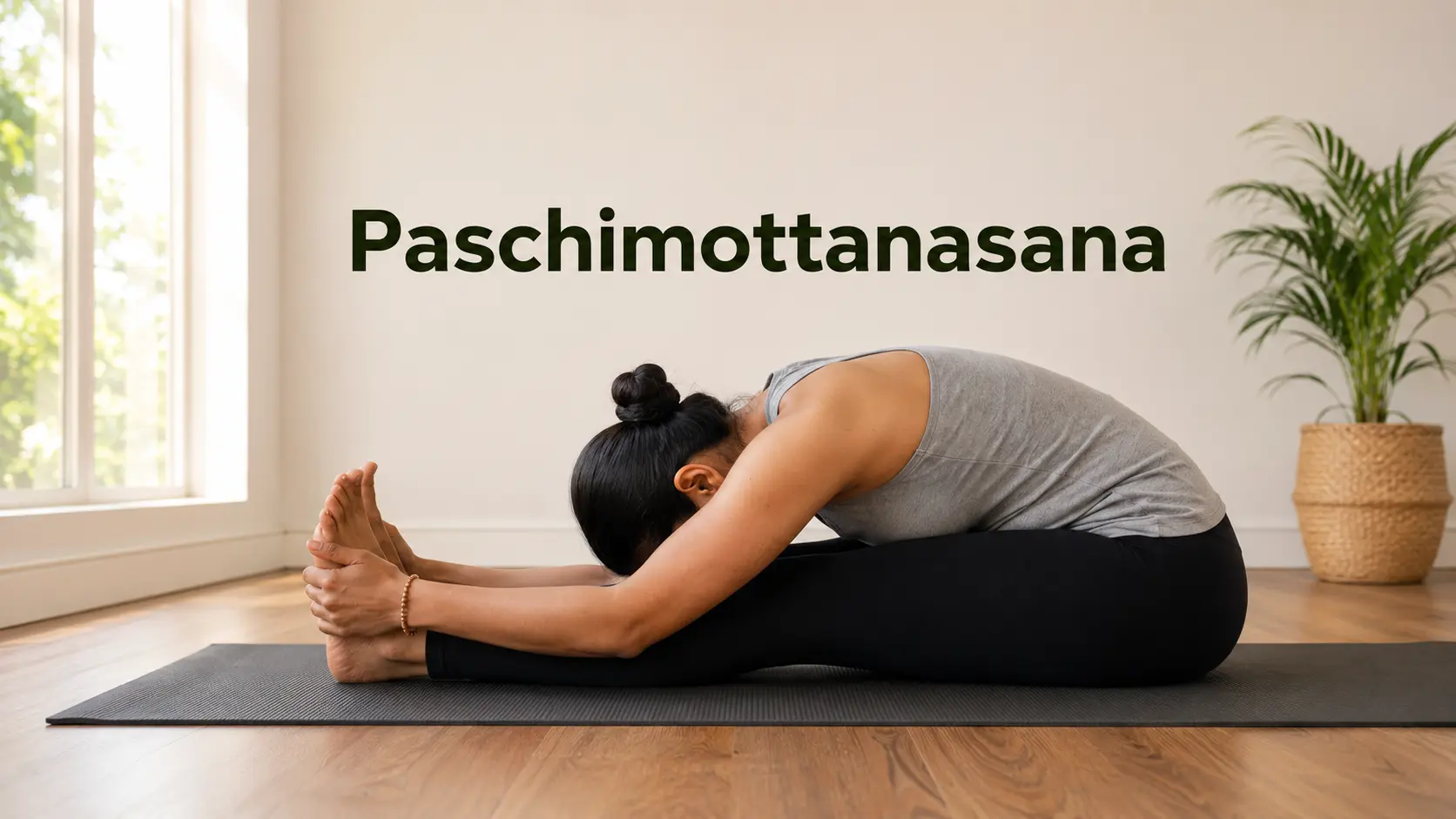
Yoga for Bloating: 8 Gentle Poses
Yoga for bloating offers a gentle, natural way to relieve abdominal tightness, trapped gas, and stomach discomfort. That heavy, swollen feeling after meals or during stressful days often stems from sluggish digestion, swallowed air, or physical tension holding gas in the digestive tract.
When your abdomen feels distended and sensitive, intense workouts or lying completely still can feel equally uncomfortable. Gentle yoga acts as a natural digestive aid by combining light abdominal compression, gentle spinal rotations, and deep diaphragmatic breathing. This soft movement massages internal organs and activates your parasympathetic nervous system, shifting your body out of stress mode so your digestive system can function smoothly.
Dedicating just ten minutes of gentle yoga for bloating promotes smooth intestinal movement and lasting comfort.
Key Takeaways
- Abdominal Pressure: Poses featuring gentle compression and twisting help move trapped gas through the digestive tract.
- Nervous System Shift: Calming postures help transition your body into a "rest and digest" state to ease stomach tension.
- Gentle Movement: Never force movements into a swollen abdomen; focus on smooth, slow breathing and natural alignment.
Gentle Yoga for Bloating - 8 Poses
Some of the common poses of gentle yoga for bloating are as follows:
|
|
|
|
|
|
|
|
|
|
|
|
|
|
|
|
|
|
|
|
|
|
|
|
|
|
|
|
|
|
|
|
|
|
|
|
|
|
|
|
|
|
|
|
|
Key Benefits of Yoga for Bloating
- Gas Release: Compression squeezes the intestines, assisting in the expulsion of any difficult gas bubbles trapped in the digestion system.
Incorporating gentle yoga for bloating into your routine can quickly release trapped gas and relieve stomach tightness.
- Improved Peristalsis: Gentle twisting causes a stretch in the inner organs, resulting in the stimulation of peristalsis.
- Stress Management: Controlled breathing reduces stress hormones that cause stomach pain.
- Improve Blood Flow: Stretching provides a supply of new blood in the digestive organs.
A Quick 10-Minute Bloating Relief Routine
- Warm-up: Begin on your hands and knees and do 6–8 fluid repetitions of Cat/Cow.
- Compression: Move onto your back and practice Pawanmuktasana; hold for 5–8 breaths each side.
- Twist: Bend both knees to the left and right sides in a supine spinal twist.
- Relaxation: Finish with 3–5 minutes in Child’s Pose or Legs-Up-the-Wall pose to allow total relaxation of the abdomen.
Safety Guidelines & Precautions
- No Force: Do not press or squeeze harshly into your sensitive, full stomach.
Gentle twists and forward folds are essential poses in yoga for bloating after a heavy meal. - Adjust for Comfort: Open up your legs in Child’s Pose to allow space for your abdomen to rest.
- No Stressing Poses: Avoid doing intense backbends, core exercises, and inversions if you are bloated.
- Medical Attention: See a doctor if you experience severe pain along with bloating, weight loss without explanation, fever, or constant nausea.
To Conclude
Bloating is more than just a physical nuisance; it disrupts your daily comfort, energy, and peace of mind. While it can be tempting to reach for quick fixes, tuning into your body through gentle movement offers a lasting, holistic way to support your gut.
Practicing yoga for bloating helps stimulate digestion by gently massaging your abdominal organs.
By integrating simple poses like Balasana and Marjaryasana-Bitilasana into your day, you give your digestive system the space and soft stimulation it needs to release trapped tension naturally. Listen to your body, move with ease, and treat your abdomen with patience; a calmer gut starts with a relaxed mind.
Frequently Asked Questions
1. When can I practice yoga to relieve bloating?
You should wait about 30-45 minutes after consuming light foods and 1-2 hours after heavy foods. Light postures of yoga for bloating, such as Child’s Pose or Legs-Up-The-Wall, can be performed right after eating, but you should avoid compressing or twisting when your stomach is full.
2. Will breathing techniques (Pranayama) help release gas?
Absolutely! Deep abdominal breathing (diaphragmatic breathing) will make your diaphragm go up and down and massage your internal organs in your stomach. Moreover, your body will get an instruction to go into the state of “rest and digest” and relax the muscles in your digestive system.
3. What if the posture makes me feel discomfort or sharp pains?
Yoga shouldn’t cause you any pain at all. If any posture causes you sharp pain and intensifies your cramping, you should leave that posture immediately. Try different modifications of a posture, such as spreading your legs wider in Child’s Pose.
Disclaimer: The content on LifePositive.com; including articles/blogs on yoga, acupuncture, naturopathy, and other alternative healing modalities for holistic wellness, is for informational and educational purposes only. It is not a substitute for professional medical advice, diagnosis, or treatment. Always consult a qualified healthcare provider before starting any new health protocol or making changes to an existing treatment plan.
Also Read: Yoga for sciatica pain
By Umesh Kumar Khiri


.png)
Discussion (0)
No comments yet. Be the first to comment!
Leave a Comment
You need to login to post a comment.