Yoga for Flexibility: 5 Best Yoga Poses
Yoga for flexibility includes controlled movements, stretching, balance, and breathing; therefore, it can serve as an efficient approach to increasing overall flexibility. It is not only about reaching for the toes and doing complicated yoga postures. Flexibility means having the opportunity to move joints and muscles within the range of motion.
Fitness and well-being are commonly determined by how the body looks, how the muscle tone appears, what the weight of one’s body is, and how fast someone walks. However, flexibility is the essence of this freedom. Yoga for flexibility includes some asanas that can be performed to restore your balance.
If someone feels stiff in the hips, back, shoulders, or legs, practicing five flexibility asanas might be useful. These yoga postures focus on different parts of the body and can be modified based on your level of flexibility.
Key Takeaways
- Joint Range of Motion: Gradually lengthens tight muscles to improve mobility in the hips, shoulders, and spine.
- Injury Prevention: Reduces stiffness and improves tissue elasticity to safeguard muscles during daily activities.
- Balanced Movement: Combines gentle stretching with controlled breathing to expand overall body flexibility.
Yoga for Flexibility - 5 Poses
Some of the common yoga poses are described below:
|
|
|
|
|
|
|
|
|
|
|
|
|
|
|
|
|
|
|
|
|
|
|
|
|
|
|
|
|
|
Overall Benefits of Yoga for Flexibility
Regular yoga practice can support flexibility, mobility, balance, and body awareness. Research also suggests that yoga can improve flexibility and physical function when practised consistently.
|
|
|
|
|
|
|
|
|
|
|
|
|
|
|
|
|
|
|
|
|
Summing Up
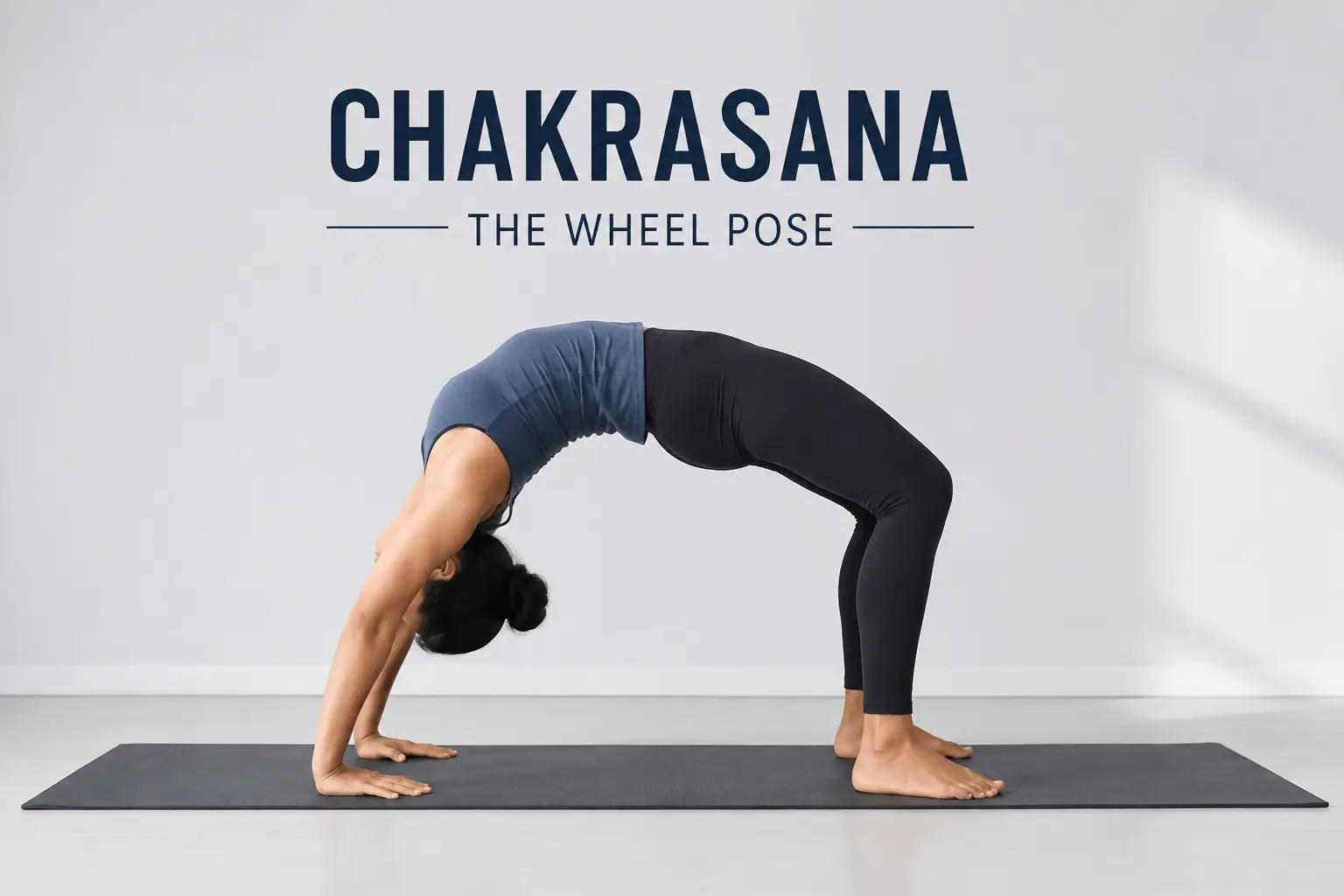
Patience and frequent practice help develop flexibility; forcing the body into one form does not. There are several positions such as Trikonasana, Baddha Konasana, Ustrasana, Bitilasana, and Chakrasana that can help improve flexibility of the hip joints, the leg joints, backbones, shoulders, and chest. Start with the postures that correspond to your level of skill. In time, you will find that yoga for flexibility becomes a realistic component of your practice of comfortable movements.
FAQs
1. Is yoga capable of enhancing your flexibility?
Yes, as yoga involves a combination of controlled movements with stretches. It will take time to build up flexibility and mobility.
2. What yoga asana is the most appropriate for hip flexibility?
Baddha Konasana is an appropriate pose that can be performed by a beginner who aims to achieve hip and inner-thigh flexibility. Trikonasana will also add to your hip and leg flexibility.
3. Can beginners do Chakrasana?
Chakrasana is a very complicated yoga asana compared to others included in the list above. Beginners should train shoulders, wrists, hips, and spine flexibility before starting this exercise.
4. How frequently should I perform yoga to increase my flexibility?
It is more beneficial to have regular practice rather than sporadic intense sessions. A short session focused on flexibility a few times a week may do the trick.
Disclaimer: The content on LifePositive.com, including articles/blogs on yoga, acupuncture, naturopathy, and other alternative healing modalities for holistic wellness, is for informational and educational purposes only. It is not a substitute for professional medical advice, diagnosis, or treatment. Always consult a qualified healthcare provider before starting any new health protocol or making changes to an existing treatment plan.
Also Read: Anjaneyasana
By Umesh Kumar Khiri



Discussion (0)
No comments yet. Be the first to comment!
Leave a Comment
You need to login to post a comment.