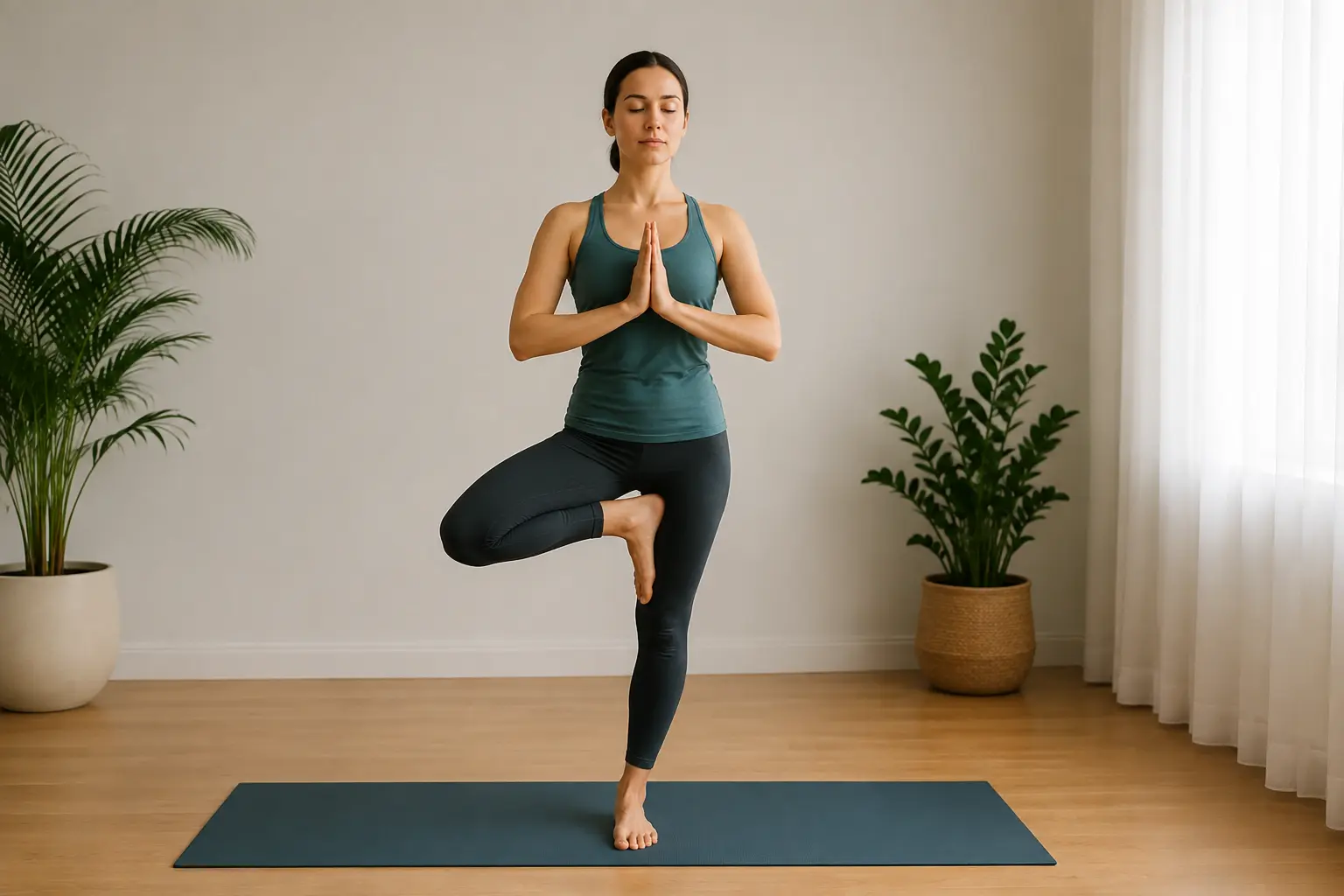
Yoga for Osteoporosis : Safe Poses
Including a practice of mindful yoga for osteoporosis in your weekly routine is a harmonious way to enhance the well-being of your bones.
Receiving a diagnosis of osteopenia or osteoporosis often brings concerns about physical activity and movement. However, remaining active is one of the most vital strategies for maintaining bone strength and preventing future loss. While high-impact exercises can sometimes stress fragile joints, practicing yoga for osteoporosis provides a gentle, effective way to stimulate bone growth through isometric contraction, improved alignment, and weight-bearing postures.
Key Takeaways
- Targeted Bone Stimulation: Holding structured poses applies multidirectional, low-impact stress on bones, encouraging osteoblasts to build new bone tissue without joint strain.
- Fall Prevention: Regular practice improves posture, core control, balance, and spatial awareness, significantly decreasing the risk of dangerous stumbles or falls.
- Safe Spine Protection: Avoiding forward spinal flexion (rounding the back) and extreme twist movements protects fragile vertebrae from compression fractures.
Yoga for Osteoporosis & Bone Strength
Some of the best yoga practices for bone health are as follows:
|
|
|
|
|
|
|
|
|
|
|
|
|
|
|
|
|
|
|
|
|
|
|
|
|
|
|
|
|
|
Precautions to Keep in Mind while Performing Yoga for Osteoporosis
Practising yoga for osteoporosis requires careful movement and an emphasis on proper spinal alignment. Because bone density varies across the spine and hips, modifying poses to eliminate risky movements ensures a safe and productive practice.
Important Safety Guidelines
- Avoid Forward Bending (Round Back): Do not round your back when doing forward bends or toe touches. Instead, bend your torso forward at the hip joints by maintaining a long, straight spine.
- Avoid Sudden Rotations of the Spine: Avoid performing sudden and intense spinal rotations. Perform twists gently by rotating your spine from the mid-back region.
- Do Not Over-Strain Your Body: Avoid over-stretching or over-straining your body. Instead of focusing on being flexible, concentrate on working the muscles gently.
- Utilize the Help of the Wall or the Chair: Perform your standing postures while standing next to a wall or a chair to maintain balance and physical stability.
- Breathe Evenly While Exercising: Do not hold your breath while performing resistance and holding exercises. Always breathe deeply and slowly while exercising.
- Stop in Case of Discomfort: In case of any discomfort, pressure, or sharp pain in the joints and vertebrae of your spine, exit that posture.
Final Thoughts
The practice of creating structural stress while performing the yoga poses and balance training will help you strengthen the muscles in your joints and keep your spine healthy. It is very important that you always pay attention to your body while doing yoga. Also try to work under the guidance of an accredited instructor or healthcare professional.
Frequently Asked Questions
1. Does yoga have the potential to reverse bone loss due to osteoporosis?
Although yoga cannot reverse advanced stages of osteoporosis, studies have shown that holding yoga postures involving weight-bearing exercises for more than 12 seconds can prevent bone mineral loss and improve density in the lumbar region and hips.
2. What yoga postures should not be done with osteoporosis?
Postures that cause spinal flexion (including Sit-ups, Plow Pose, and deep-seated forward bends), in addition to vigorous, deep twisting, are not advisable because they increase the risk of vertebral fractures due to compression.
3. How often should I do yoga for osteoporosis?
Frequency is the magic word here, and focusing on bone-strengthening postures for 10 to 15 minutes daily (3-4 times a week) will do the trick. Women can try doing yoga for osteoporosis in the early morning.
Disclaimer: The content on LifePositive.com, including articles/blogs on yoga, acupuncture, naturopathy, and other alternative healing modalities for holistic wellness, is for informational and educational purposes only. It is not a substitute for professional medical advice, diagnosis, or treatment. Always consult a qualified healthcare provider before starting any new health protocol or making changes to an existing treatment plan.
Also Read: Facial Yoga
By Umesh Kumar Khiri


.png)
Discussion (0)
No comments yet. Be the first to comment!
Leave a Comment
You need to login to post a comment.