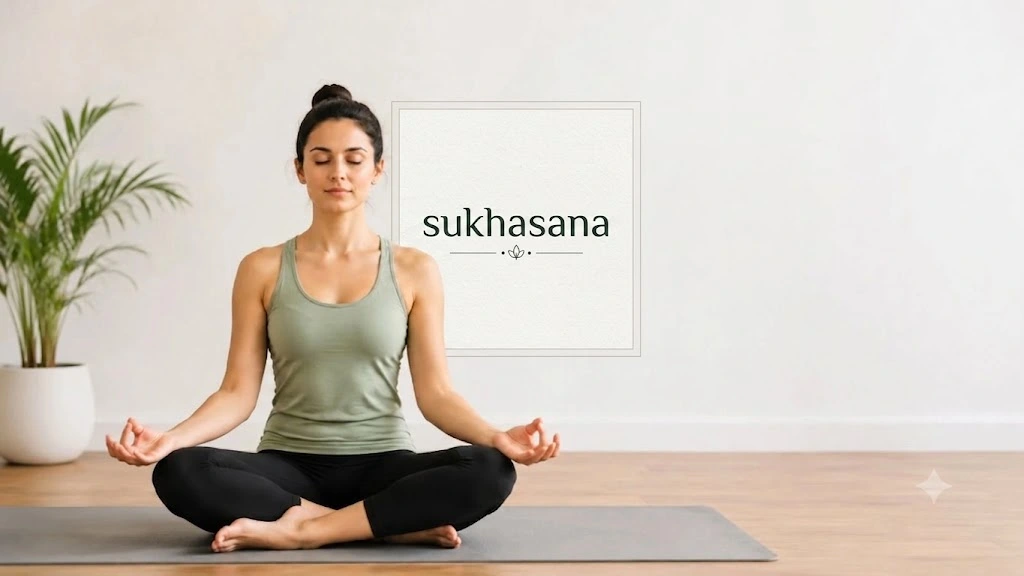
Yoga for Stress Relief: 5 Calming Poses
Yoga for stress relief is a simple, time-tested practice that helps quiet a busy mind and release physical tension. Stress may manifest in various forms like racing thoughts, muscle tightness, fatigue, lack of focus, and inability to unwind after a hectic day. Although it may not be possible to control everyday stress, it is possible to set aside some moments in your day to allow yourself some mindful movement.
Yoga is made up of physical poses, breath control, and mindfulness. As such, yoga practice could be an important component of stress management.
Here are five yoga poses that may fit into such a regimen.
Key Takeaways
- Combines Mind and Body: Yoga effectively reduces stress by pairing physical movement with breath control and mindfulness.
- Calms the Nervous System: Daily practice of gentle poses helps relax muscle tension, slow racing thoughts, and reduce anxiety.
- Easy Everyday Integration: Simple poses like Sukhasana and Child’s Pose offer quick, accessible relief from daily stress.
Yoga for Stress Relief - 5 Poses
Some of the common yoga poses that provide relief from stress are as follows:
|
|
|
|
|
|
|
|
|
|
|
|
|
|
|
|
|
|
|
|
|
|
|
|
|
|
|
|
|
|
Overall Benefits of Yoga for Stress Relief
Some of the common benefits of regular yoga sessions are as follows:
|
|
|
|
|
|
|
|
|
|
|
|
|
|
|
|
|
|
|
|
|
Final Thoughts
Although stress is part and parcel of today’s lifestyle, there are times when you can create a few quiet moments for yourself. The practice of yoga that includes poses such as Viparita Karani, Padmasana, Sukhasana, Balasana, and Marjaryasana can enable you to experience those moments of relaxation, gentle movements, and proper breathing.
It is important not to try mastering the hardest poses because you do not need to demonstrate your flexibility. It would be better to concentrate on smooth movements and proper breathing during your yoga sessions. Over time, yoga practice can become just another way to manage the stress of your daily life.
FAQs
1. What yoga pose would relieve stress?
There is no definite answer to this question, as it depends on the person. However, Viparita Karani, Sukhasana, and Balasana are some gentle poses that can be incorporated into your routine.
2. Can I do yoga while I am under stress?
Yes, you can do so. It would be wiser to choose a gentle workout rather than doing intense exercises when you are already stressed out.
3. Should I do Padmasana if I am a beginner?
A full Padmasana requires flexible hips and is not needed during meditation. You can replace it with Sukhasana.
4. How much time should I devote to yoga to relieve stress?
Even a short practice is better than nothing at all. You should start with 10–15 minutes and then continue developing your practice of yoga for stress relief.
Disclaimer: The content on LifePositive.com, including articles/blogs on yoga, acupuncture, naturopathy, and other alternative healing modalities for holistic wellness, is for informational and educational purposes only. It is not a substitute for professional medical advice, diagnosis, or treatment. Always consult a qualified healthcare provider before starting any new health protocol or making changes to an existing treatment plan.
Also Read: Kapotasana
By Umesh Kumar Khiri


Discussion (0)
No comments yet. Be the first to comment!
Leave a Comment
You need to login to post a comment.