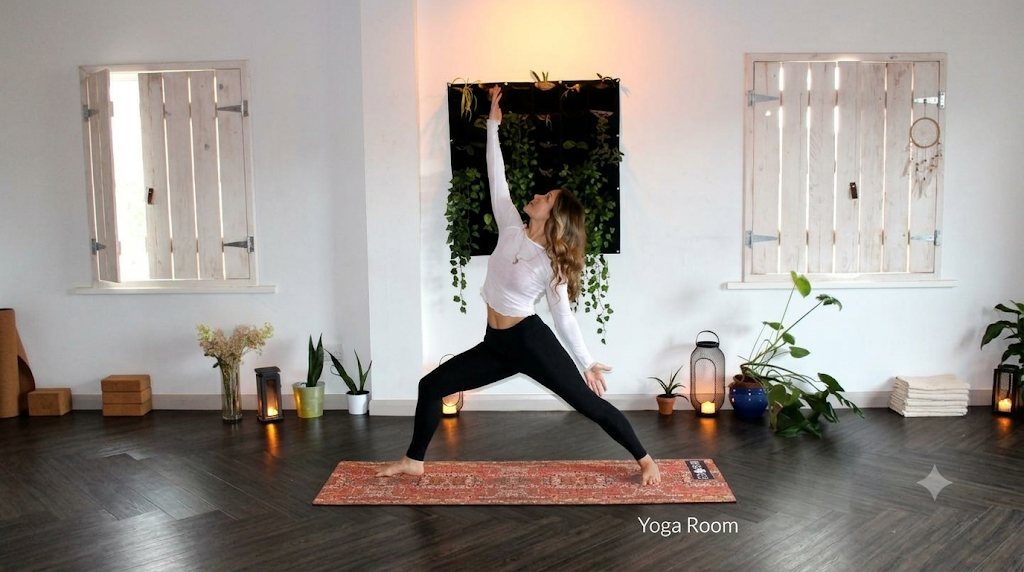
Yoga Room: Calm Space for Daily Practice
A well-planned yoga room can make the difference between a practice you keep postponing and one you look forward to every day. It doesn't need to be large or expensive. A quiet corner, a few thoughtful choices, and a clear intention are enough to turn any spot in your home into a place that invites you to slow down. This guide covers how to choose the space, set it up, and which asanas suit it best.
Key Takeaways
- Any quiet, clutter-free corner can become a yoga room with a mat, natural light, and fresh air.
- Keep the design simple: calming colours, soft lighting, and only the props you actually use.
- A dedicated space makes your practice more consistent, so use it for yoga and mindfulness only.
Why a Yoga Room Is Worth Creating
A dedicated yoga room acts as a visual cue. When you step into it, your mind learns that it's time to breathe, stretch, and be still. You don't have to move furniture, hunt for your mat, or negotiate with household noise each time you want to practise. Over weeks, that small bit of friction removal adds up to a steadier habit.
It also supports comfort and safety. A space with proper clearance and a stable floor lets you move through poses without worrying about bumping into a table or slipping on a polished surface.
Choose the Right Spot
First, choose an appropriate room. It should be quiet, have natural light, and allow fresh air. You may choose any spare bedroom, a corner of your balcony, or any part of your living room.
Try lying on your mat with straight arms above and then wide apart. If you manage to do that comfortably without touching any walls and furniture around, you have enough space for the majority of beginner and intermediate sequences. Ensure that your ceiling will provide enough height for you to stretch your arms up and avoid places with slopes or uneven ground for balance work.
Also, many Indian families prefer the northeast direction of their homes for meditation and yoga according to Vastu principles. This could be a beautiful choice if you manage to create that kind of space. However, a calm and bright space will be much more important than any particular direction.
Floor, Light and Air
Your floor has a great impact on both your comfort and joint health. Wood, cork, or smooth tile with a good anti-slip mat is the perfect combination. Avoid spongy carpet, especially if you want to practice standing poses.
Light should feel soft rather than harsh. Morning sunlight is ideal, and warm, dimmable lamps help for evening sessions. Keep a window open or use a fan so the air stays fresh, especially during energetic practice. Wash or air out your mat regularly so the room smells clean.
Keep the Decor Calm and Minimal
Resist the urge to fill every corner. Empty space is part of the design. Select a few items and let the space breathe:
- Colours: Pastel greens, blues, creams, and earth tones are calming.
- Plants: One plant brings some life into your space.
- Significant items: A candle, figurine, or quote will help focus on intention.
- Mirror (optional): Helpful to check alignment, but not necessary.
Do not feel the need to fill every inch of the space. The empty space is an important aspect of your decor.
Props and Storage
You only really require a yoga mat, but a few other items are recommended to make practice easier. Yoga blocks and a yoga strap will be useful in achieving certain poses, a bolster will come in handy during resting poses, while a folded towel will cushion the knees and offer coverage during relaxing periods.
Asanas That Suit a Home Yoga Room
You don't need an elaborate sequence. These poses work well in most spaces and fit a short daily routine:
- Tadasana (Mountain Pose): Stand tall with feet grounded to build posture awareness and begin your session with steady breathing.
- Vrikshasana (Tree Pose): Balance on one leg to improve focus and stability. Keep a wall nearby for support.
- Adho Mukha Svanasana (Downward-Facing Dog): Lengthens the spine and stretches the back of the legs. It needs clear space for the full length of your mat.
- Virabhadrasana II (Warrior II): Strengthens the legs and opens the hips and shoulders. Check that your arms have room to extend.
- Balasana (Child's Pose): A gentle resting pose to pause between more active postures.
- Shavasana (Corpse Pose): Finish by lying still for a few minutes. A blanket and dim light help the body fully relax.
Move slowly, keep your breath steady, and skip anything that causes pain. If you have a medical condition, check with a doctor or qualified teacher first.
Build a Ritual Around the Space
The room works best when it carries a rhythm. Practise at roughly the same time each day, even if it's only ten minutes. Switch off your phone or place it out of reach. Light a candle or play soft music if that helps you settle. Over time, the room itself becomes part of the routine.
Frequently Asked Questions
1. What should a yoga room have?
At minimum, a non-slip mat, enough floor space to move freely, natural light, and good ventilation. Optional additions include blocks, a strap, a bolster, a blanket, plants, and soft lighting.
2. How much space do I need for a yoga room?
Enough to extend your arms and legs in every direction without touching anything. A mat-sized area with a little clearance on each side works for most practices, and extra room helps for lunges and standing poses.
3. Which direction is best for a yoga room?
In Vastu tradition, the northeast is often recommended for yoga and meditation. If your home layout doesn't allow it, choose the quietest and brightest area available.
4. Is practising yoga at home as good as going to a studio?
It can be, particularly for regular practice, as long as you stay within your limits and use proper form. Beginners may benefit from occasional guided classes to learn alignment.
Also Read: Yoga Mats
By Umesh Kumar Khiri



Discussion (0)
No comments yet. Be the first to comment!
Leave a Comment
You need to login to post a comment.