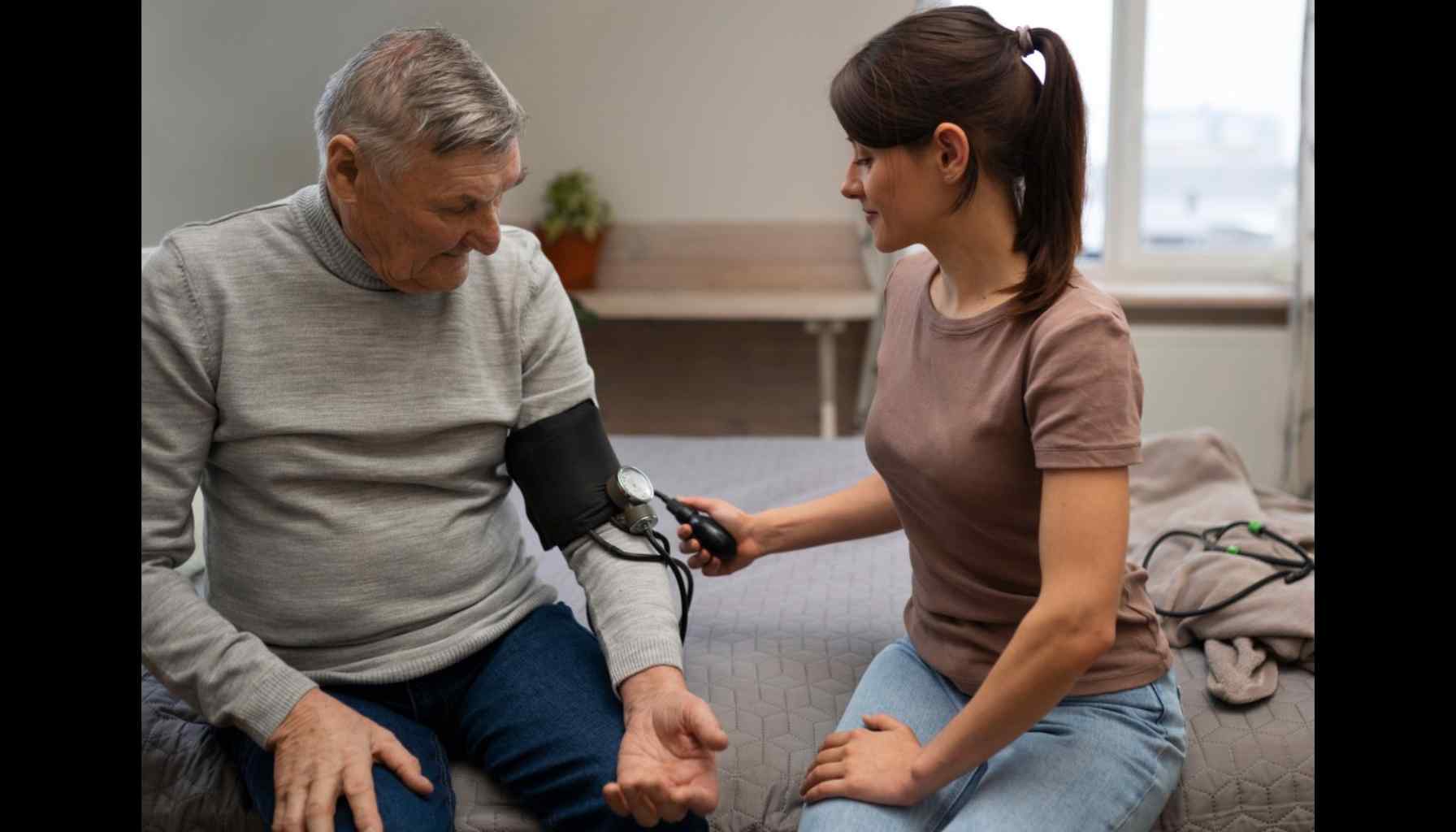
Handling Blood Pressure: Method, Process, Benefits & Healthy Lifestyle
Introduction
Blood pressure management is a long-term approach to protecting cardiovascular and overall health. Rather than focusing only on a single reading, effective management involves regular monitoring, healthy eating, physical activity, adequate sleep, stress management, attention to weight and other risk factors, and medical guidance when required.
Blood pressure is the force exerted by circulating blood against the walls of the arteries. When it remains too high over time, it can increase the risk of heart disease, stroke, kidney disease and other complications. Importantly, high blood pressure often causes no noticeable symptoms, making regular measurement especially valuable.
Managing blood pressure does not mean pursuing a perfect lifestyle. It means developing realistic habits that can be maintained for years and working with a healthcare professional when medication, investigation or specialist care is needed.
Handling Blood Pressure
Handling blood pressure begins with awareness. Knowing your usual readings, understanding factors that influence them and recognizing personal risk factors can help you take appropriate action.
Blood pressure can vary throughout the day because of activity, stress, sleep, caffeine, illness, medications and other circumstances. Therefore, one isolated reading does not necessarily describe a person's usual blood-pressure pattern.
A practical approach combines measurement, lifestyle, risk-factor management and appropriate healthcare. Healthy habits may help prevent or lower high blood pressure, but they should complement—not automatically replace—prescribed treatment.
Understanding Blood Pressure and Cardiovascular Health
Systolic and Diastolic Blood Pressure
A blood-pressure reading has two numbers. The systolic pressure is the upper number and represents pressure in the arteries when the heart contracts. The diastolic pressure is the lower number and represents pressure when the heart relaxes between beats. It is expressed in millimetres of mercury, or mmHg.
Blood-pressure categories can vary somewhat between guidelines. For example, the 2025 American Heart Association/American College of Cardiology framework describes normal blood pressure as below 120/80 mmHg, while hypertension begins at 130/80 mmHg in that framework. WHO uses a diagnosis of hypertension based on readings of 140/90 mmHg or higher on measurements taken on different days.
Therefore, individuals should discuss their readings and personal target with their healthcare professional rather than interpreting one number in isolation.
High Blood Pressure and Health Risks
Persistent hypertension places additional pressure on the cardiovascular system. Over time, uncontrolled high blood pressure can contribute to heart disease, heart failure, stroke and kidney damage.
Because hypertension frequently has no obvious symptoms, a person can feel perfectly well while having elevated blood pressure. Regular checks are consequently important, particularly for people with risk factors such as increasing age, family history, overweight or obesity, physical inactivity, high salt intake, tobacco use, excessive alcohol consumption, diabetes or kidney disease.
Lifestyle and Other Factors That Influence Blood Pressure
Blood pressure is influenced by a combination of genetic, environmental and lifestyle factors. Diet, physical activity, body weight, tobacco, alcohol, sleep and stress can all play roles.
Some factors cannot be changed, such as age and family history. Others can be modified through everyday choices. This makes blood-pressure management a useful example of preventive healthcare: small, consistent improvements can contribute to better long-term cardiovascular health.
Blood Pressure Management Methodology
Assessing Personal Blood Pressure Patterns
The first step is to establish what your blood pressure is doing over time. Measurements taken under appropriate conditions can provide more useful information than occasional readings taken randomly.
A healthcare professional may recommend home monitoring, especially for people with diagnosed hypertension or those starting or changing treatment.
Identifying Modifiable Risk Factors
Review eating patterns, activity levels, body weight, sleep, stress, tobacco use, alcohol intake and other relevant lifestyle factors.
Existing conditions and medicines should also be considered. Some illnesses and medications can influence blood pressure, so persistent or unexplained changes deserve professional evaluation.
Setting Personalized Health Goals
Goals should be realistic and individualized. One person may begin by reducing salty packaged foods, another by walking regularly, while someone else may need to focus on medication adherence.
Blood-pressure targets also depend on individual circumstances. People with cardiovascular disease, diabetes, chronic kidney disease or elevated cardiovascular risk may have different treatment goals.
Combining Lifestyle Measures With Appropriate Medical Care
Lifestyle changes are important, but some people require medication to control hypertension. Prescribed medicines should be taken according to medical advice.
Blood-pressure management works best when lifestyle measures and appropriate medical care are considered together rather than as competing approaches.
The Blood Pressure Management Process
Measuring Blood Pressure Correctly
Accurate technique is essential. For home measurement, the American Heart Association recommends an automatic, upper-arm cuff-style monitor and an appropriately sized cuff. Before measuring, avoid smoking, caffeine and exercise for about 30 minutes, empty the bladder, rest quietly for at least five minutes and avoid talking during the measurement.
Sit with the back supported, feet flat on the floor and the arm supported at heart level. Take readings consistently according to your healthcare professional's instructions.
Tracking Readings Over Time
Keep a record of readings, including the date, time and, if useful, circumstances such as unusual stress or illness. Taking two readings about one minute apart can provide additional information.
A record helps healthcare professionals identify patterns and evaluate whether treatment is working.
Introducing Sustainable Lifestyle Changes
Avoid trying to change everything overnight. Start with manageable improvements. For example, replace salty packaged snacks with fruit or unsalted nuts, gradually increase walking, establish a regular bedtime and prepare more meals at home.
Small actions repeated consistently are often easier to maintain than dramatic short-term programmes.
Monitoring Progress and Adjusting the Plan
Review progress regularly. If blood pressure remains elevated despite lifestyle changes, discuss the readings with a healthcare professional.
Similarly, medication should not be stopped or reduced simply because home readings have improved. Treatment decisions should be made with appropriate medical guidance.
Lifestyle Practices for Healthy Blood Pressure
Balanced, Heart-Healthy Nutrition
A heart-friendly eating pattern emphasizes vegetables, fruits, whole grains, legumes, nuts, seeds and appropriate sources of protein. It also limits excessive sodium, highly processed foods, saturated fats and added sugars.
Dietary patterns such as DASH—Dietary Approaches to Stop Hypertension—are commonly recommended approaches for supporting healthy blood pressure.
Reducing Excess Sodium
Excessive sodium intake can contribute to raised blood pressure. Salt is often added during cooking and at the table, but substantial amounts can also be present in packaged snacks, instant foods, pickles, sauces, processed meats and ready-to-eat meals.
Reading food labels and choosing fresh or minimally processed foods can help reduce sodium intake.
Regular Physical Activity
Regular movement supports cardiovascular fitness and can help lower blood pressure. Activities can include brisk walking, cycling, swimming, dancing or other suitable aerobic activities.
WHO recommends adults aim for at least 150 minutes of moderate-intensity aerobic activity or 75 minutes of vigorous activity weekly, along with muscle-strengthening activities on two or more days a week.
People who have been inactive or have health conditions should choose an appropriate level of exercise with professional guidance when necessary.
Maintaining a Healthy Weight
Excess body weight can increase the likelihood of high blood pressure. For people who are overweight, gradual and sustainable weight reduction may support blood-pressure control.
The focus should be on healthy eating and regular movement rather than crash diets or extreme restrictions.
Quality Sleep and Stress Management
Sleep and emotional well-being are important components of cardiovascular health. Establishing regular sleep and wake times, reducing excessive evening screen exposure and creating a relaxing bedtime routine may support better sleep.
Stress management can include exercise, breathing practices, meditation, social connection, hobbies and adequate rest.
Nutrition and Blood Pressure Management
Fruits, Vegetables and High-Fiber Foods
Fruits and vegetables provide fibre, vitamins, minerals and other beneficial nutrients. Including a variety of colourful plant foods in daily meals can make the diet more nutritious while reducing dependence on heavily processed foods.
Beans, lentils, peas, vegetables, fruits and whole grains are useful sources of dietary fibre.
Whole Grains and Healthy Protein Sources
Whole grains such as oats, brown rice, whole-wheat products and millets can form part of a balanced diet. Protein can come from pulses, beans, lentils, nuts, seeds, fish, eggs, low-fat dairy and other suitable sources.
The exact combination should reflect individual nutritional needs, culture, preferences and medical conditions.
Potassium-Rich Foods and Dietary Balance
Potassium plays an important role in cardiovascular health, and potassium-rich foods can be part of a blood-pressure-friendly eating pattern. Fruits, vegetables, beans and other whole foods provide potassium.
However, people with kidney disease or those taking certain medications may need individualized potassium advice. Increasing potassium supplements without medical guidance is therefore not appropriate for everyone.
Limiting Excess Salt, Added Sugar and Processed Foods
Reducing highly processed foods can simultaneously reduce excess sodium, added sugars and unhealthy fats. WHO recommends limiting salt intake, while heart-health guidance also emphasizes reducing highly processed and sugary foods.
Instead of attempting to eliminate every favourite food, focus on improving the overall dietary pattern.
Stress Management and Blood Pressure
Mindful Breathing and Relaxation
Slow, comfortable breathing can provide a simple opportunity to pause and relax. A few minutes of quiet breathing may be incorporated into a morning or evening routine.
Breathing practices should remain comfortable; they should not involve prolonged breath-holding or forceful techniques, particularly for people with health conditions.
Meditation and Mindfulness
Meditation and mindfulness encourage attention to the present moment and can help people develop healthier responses to everyday stress.
They should be regarded as supportive wellness practices rather than replacements for medical treatment.
Regular Rest and Recovery
Constant activity without adequate recovery can make healthy routines difficult to sustain. Short breaks during work, sufficient sleep, leisure activities and time with supportive people can help create balance.
Healthy Work-Life Boundaries
Long working hours, constant digital connectivity and insufficient breaks can contribute to stress. Setting reasonable boundaries around work messages, scheduling breaks and protecting personal time can support overall well-being.
Potential Benefits of Effective Blood Pressure Management
Supporting Cardiovascular Health
Keeping blood pressure within an individualized healthy range reduces the strain placed on arteries and the heart. Lifestyle improvements can also support other cardiovascular risk factors.
Reducing Long-Term Health Risks
Effective management can reduce the risk associated with uncontrolled hypertension, including heart disease and stroke.
Supporting Kidney and Brain Health
Blood-pressure control is also important for protecting organs affected by vascular damage. Uncontrolled hypertension can contribute to kidney disease and stroke.
Improving Overall Physical Well-Being
A blood-pressure-friendly lifestyle often includes nutritious food, regular movement, adequate sleep, healthy weight management and avoidance of tobacco. These habits can benefit many aspects of physical well-being beyond blood pressure itself.
Monitoring and Professional Blood Pressure Care
Regular Health Checkups
Regular health checks provide opportunities to monitor blood pressure and assess related cardiovascular risk factors. People with hypertension may need more frequent follow-up.
Home Blood Pressure Monitoring
Home monitoring can help people and healthcare professionals understand blood-pressure patterns and evaluate treatment. An upper-arm automated monitor with the correct cuff size is generally recommended.
Medication Adherence When Prescribed
If medication has been prescribed, take it according to instructions. Do not share medicines or independently change the dose.
Different people may require different medicines or combinations, and treatment should be individualized.
Reviewing Progress With a Healthcare Professional
Bring your blood-pressure log and, when appropriate, your home monitor to appointments. The American Heart Association recommends discussing monitor accuracy and cuff fit with a healthcare professional.
Building a Sustainable Blood Pressure-Friendly Lifestyle
Creating Consistent Daily Routines
A simple daily routine can include regular meals, physical activity, adequate hydration, sufficient sleep, medication at the prescribed time and a few minutes of relaxation.
Combining Nutrition, Movement and Recovery
No single lifestyle practice is responsible for good blood pressure. Nutrition, exercise, sleep, stress management and appropriate healthcare work together.
Maintaining Healthy Habits Long Term
The aim is not a temporary "blood-pressure diet" but a sustainable way of living. Walking regularly, eating more vegetables, cooking with less salt and maintaining regular health checks can gradually become normal parts of daily life.
Avoiding Extreme or Unproven Remedies
Be cautious about products, supplements or therapies that promise to cure hypertension quickly. Some supplements can interact with medicines or affect blood pressure.
Evidence-based lifestyle measures and prescribed treatment should remain the foundation of management.
Safety and Important Considerations
Understanding Individual Blood Pressure Targets
There is no single target that applies identically to every person. Age, cardiovascular disease, diabetes, kidney disease, medications and overall cardiovascular risk can influence treatment goals.
Avoiding Unsupervised Medication Changes
Do not stop, reduce or increase blood-pressure medicine based solely on home readings. Even when readings improve, medication changes should be discussed with the prescribing healthcare professional.
Recognizing Very High Readings and Warning Symptoms
A very high reading requires attention. Blood pressure around 180/120 mmHg or higher, particularly when accompanied by symptoms such as chest pain, difficulty breathing, weakness or numbness, vision changes, confusion or difficulty speaking, can represent a medical emergency.
Seeking Timely Medical Care
If a reading is unexpectedly very high, repeat it after appropriate rest and follow medical advice. When very high blood pressure occurs with concerning symptoms, seek emergency medical care rather than attempting to manage the situation at home.
Frequently Asked Questions
Lifestyle Habits for Blood Pressure
What lifestyle habits help blood pressure?
A balanced diet, reduced sodium intake, regular physical activity, healthy weight management, adequate sleep, stress management and avoiding tobacco can all support healthier blood pressure.
Diet and Blood Pressure Management
Which foods are helpful for blood pressure?
Vegetables, fruits, whole grains, legumes, nuts, seeds and appropriate lean protein sources can form part of a heart-healthy eating pattern. Reducing salty, highly processed and heavily sugary foods is also useful.
Exercise and Blood Pressure
How much exercise should I do?
For many adults, a useful general target is at least 150 minutes of moderate-intensity aerobic activity per week, together with muscle-strengthening activity on at least two days. Individual exercise plans may need adjustment according to age, fitness and health conditions.
Home Blood Pressure Monitoring
How can I monitor blood pressure at home?
Use a validated automatic upper-arm monitor with the correct cuff size. Rest quietly for at least five minutes before measuring, keep the arm supported at heart level and take readings consistently. Recording results over time gives more useful information than relying on one measurement.
Building a Long-Term Blood Pressure Management Plan
Handling blood pressure effectively is a continuing process rather than a one-time task. Begin by knowing your readings, understanding your personal risk factors and discussing appropriate targets with a healthcare professional.
Build the foundation through nutritious food, sensible sodium intake, regular movement, healthy weight management, adequate sleep and stress reduction. Monitor blood pressure appropriately and maintain prescribed treatment when medication is required.
Most importantly, aim for consistency rather than perfection. A sustainable blood-pressure-friendly lifestyle can become part of everyday life through small, repeated choices. Regular monitoring and professional guidance help ensure that those choices remain appropriate as circumstances change.
Blood pressure management is ultimately about protecting health over the long term. When lifestyle habits, monitoring and medical care are combined appropriately, people can take meaningful steps toward supporting their heart, blood vessels, kidneys, brain and overall well-being.
Wish you all the best for managing your health well.
By Jamuna Rangachari


Discussion (0)
No comments yet. Be the first to comment!
Leave a Comment
You need to login to post a comment.