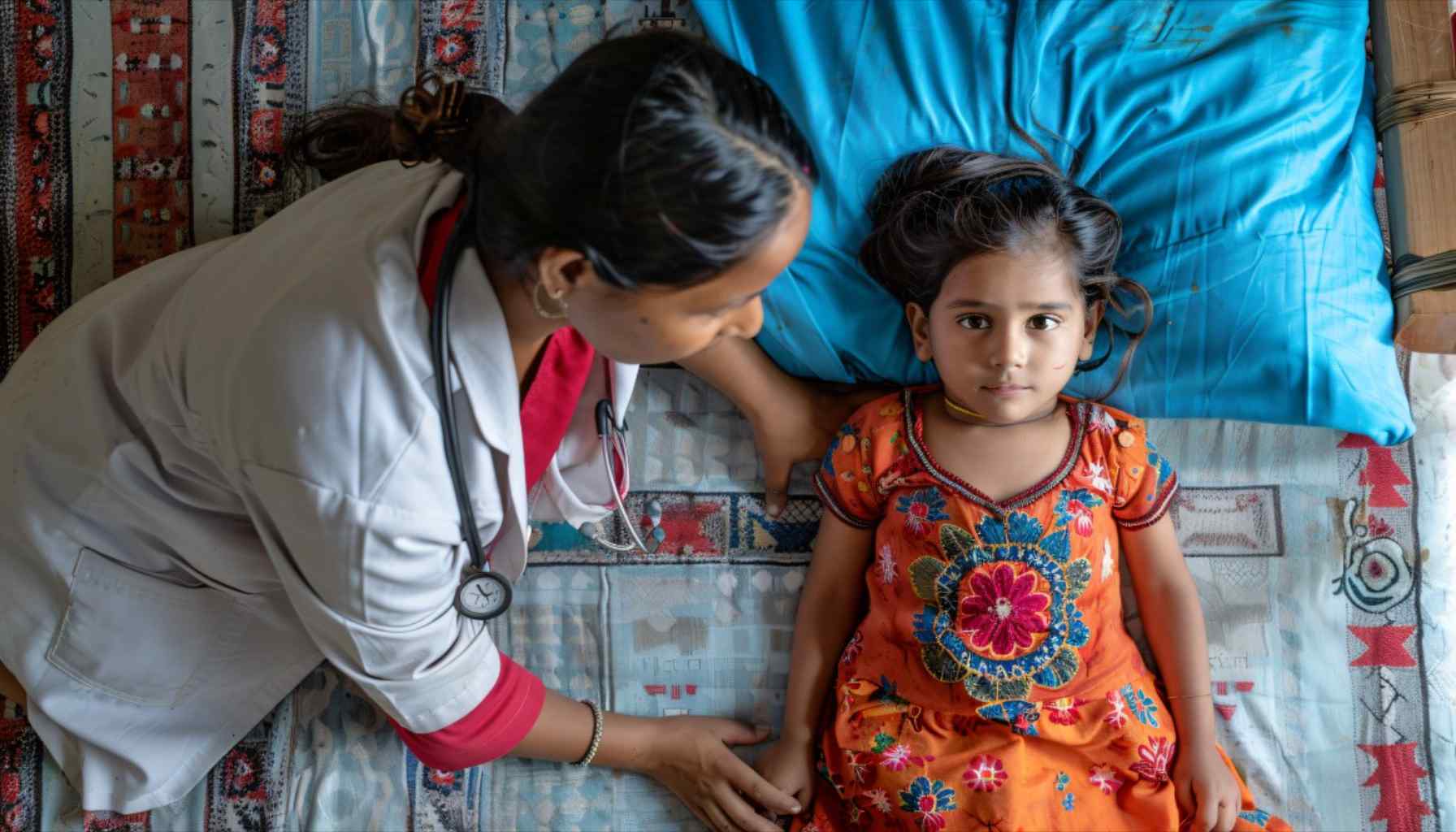
Child Mortality Falls Across All World Regions
Across the world, millions of children once died from preventable diseases, malnutrition, unsafe drinking water and inadequate healthcare. Over the years, improvements in medical science, vaccination, sanitation, nutrition and maternal care have helped reduce child deaths in many regions.
The decline in child mortality is an encouraging achievement for humanity. However, progress has not been equal everywhere, and many children continue to face serious health risks.
What Is Child Mortality?
Child mortality generally refers to the death of children before they reach a particular age. Under-five mortality, one of the most widely used measures, refers to the probability that a newborn will die before reaching five years of age, expressed per 1,000 live births.
According to international health agencies, global under-five mortality has declined substantially since 1990. This progress reflects decades of efforts by governments, healthcare workers, international organisations and local communities to protect children’s lives.
Improvements Across World Regions
The pace of progress varies by region, and some areas continue to experience much higher mortality rates than others.
1. Sub-Saharan Africa
Sub-Saharan Africa has made progress in reducing child deaths, supported by vaccination programmes, malaria prevention, better nutrition and expanded access to healthcare. Nevertheless, it continues to have the highest under-five mortality rate of any major world region. Poverty, conflict, limited healthcare facilities and preventable infectious diseases remain significant challenges.
2. South Asia
Countries such as India, Bangladesh and Nepal have recorded important improvements in child survival. Immunisation, institutional deliveries, improved sanitation and nutrition programmes have contributed to these gains. However, malnutrition, premature births and unequal access to quality healthcare remain concerns in some communities.
3. East Asia and the Pacific
Continued investment in newborn care, nutrition and preventive healthcare helps protect children, particularly in underserved areas.
4. Europe and North America
These regions generally have low under-five mortality rates, supported by well-developed healthcare systems, skilled birth attendance, vaccination and access to emergency treatment. However, inequalities persist among disadvantaged communities, and premature birth and congenital conditions remain important causes of infant deaths.
5. Latin America and the Caribbean
Child survival has improved through expanded healthcare access, vaccination, better sanitation and maternal health programmes. Nevertheless, poverty, geographical barriers, violence and unequal access to medical facilities continue to affect children in certain countries and communities.
6. Middle East and North Africa
Several countries have reduced child mortality through improvements in healthcare and maternal services. Yet armed conflict, displacement, food insecurity and damaged medical facilities threaten children's survival in some areas.
Reasons Behind the Decline
Several developments have contributed to lower child mortality worldwide:
Vaccination: Protects children against diseases such as measles, polio and whooping cough.
Better maternal care: Antenatal check-ups, skilled birth assistance and emergency obstetric care reduce risks during childbirth.
Improved nutrition: Breastfeeding support, nutritious food and treatment for malnutrition improve children's health.
Clean water and sanitation: Reduce diarrhoeal diseases and other infections.
Newborn care: Better management of premature births, infections and breathing difficulties saves lives.
Challenges That Remain
A UNICEF report published in March 2026 estimated that 4.9 million children died before age five in 2024, including approximately 2.3 million newborns. Many of these deaths could have been prevented through proven healthcare interventions.
Conclusion
The worldwide decline in child mortality demonstrates what coordinated public health action can achieve. Governments, international organisations, healthcare professionals and communities have helped millions of children survive and thrive.
The next step is to ensure that every child, regardless of birthplace or family income, has access to nutritious food, safe water, vaccination and quality healthcare. Reducing inequalities and strengthening maternal and newborn services will be essential to achieving the United Nations Sustainable Development Goals.
Every child's life matters. With sustained investment, international cooperation and community participation, the world can move closer to ending preventable child deaths. We hope this keeps improving.
By Jamuna Rangachari


Discussion (0)
No comments yet. Be the first to comment!
Leave a Comment
You need to login to post a comment.