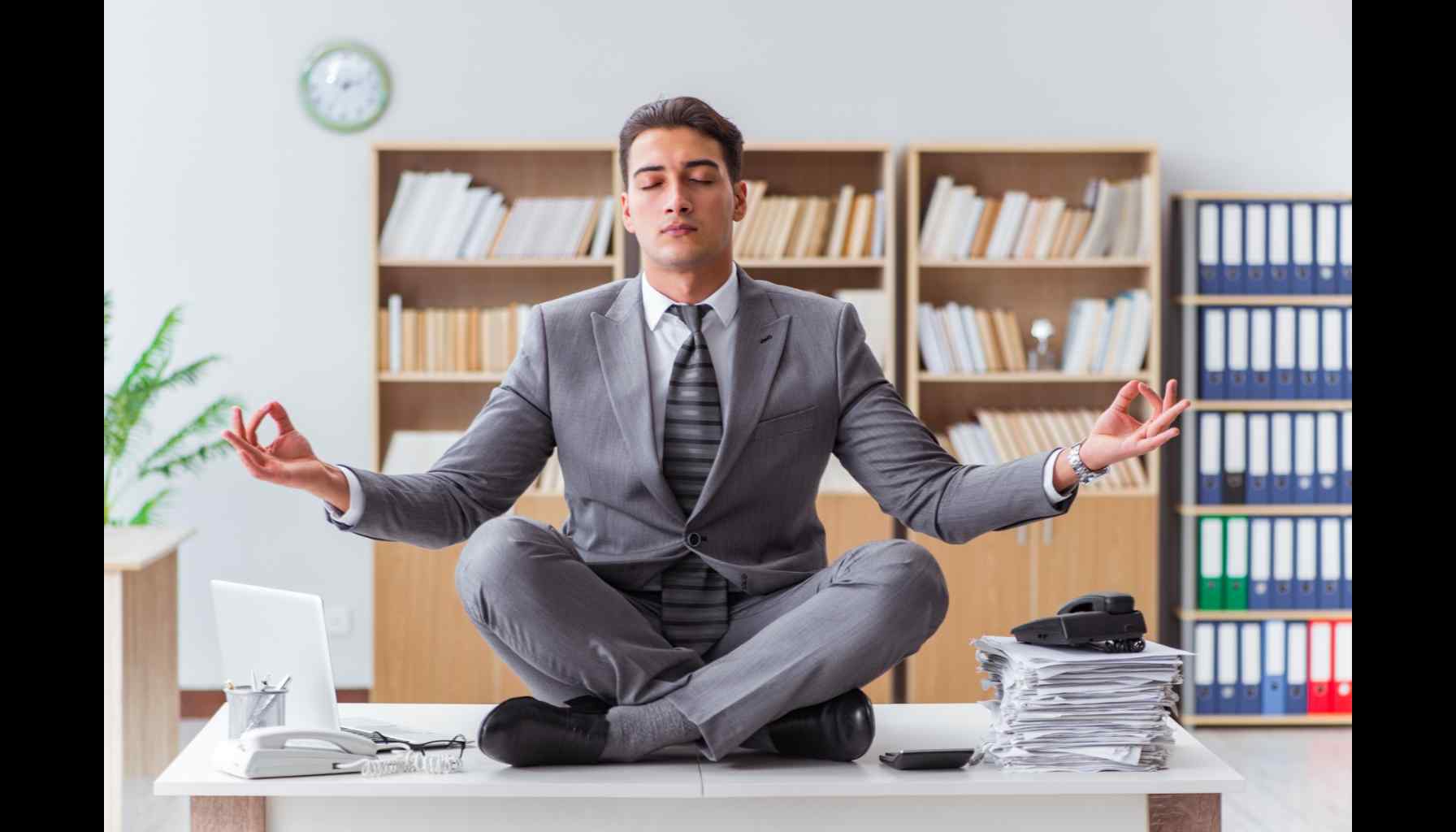
Competition does not need to be stressful
Methodology, Process, Benefits & Lifestyle
Introduction
Competition is a natural part of life. Students compete in examinations, athletes compete in sports, professionals compete for opportunities, and individuals often compare their achievements with those of friends, colleagues or peers. Competition can encourage preparation, discipline, creativity and personal growth. However, when the desire to succeed becomes excessive, competition may also create worry, self-doubt, fear of failure and emotional exhaustion.
The goal of competing without stress is not to eliminate every feeling of nervousness. A certain amount of pressure can improve alertness and motivation. Instead, healthy competition involves learning how to manage pressure so that it supports performance rather than overwhelming it. Preparation, realistic goals, positive thinking, physical well-being, mindful awareness and supportive relationships can all contribute to a calmer approach.
Competing with greater calm means shifting attention from proving oneself to performing one's best. It involves concentrating on preparation and controllable actions rather than constantly worrying about the outcome. With practice, competition can become an opportunity to discover strengths, develop resilience and enjoy the process of learning and improvement.
Compete Without Stress
Competing without excessive stress begins with understanding that performance is only one aspect of personal worth. Winning may be satisfying, but losing does not define an individual's abilities or future potential.
A healthy competitor prepares carefully, establishes realistic goals and accepts that outcomes cannot always be controlled. Instead of asking, "Will I win?", it can be more useful to ask, "What can I do today to prepare well?"
This approach allows competition to become a learning experience. Every performance can provide information about strengths, weaknesses, habits and areas for improvement. The emphasis moves from fear and comparison towards preparation, participation and progress.
Understanding Competition and Performance Stress
Healthy Pressure Versus Excessive Stress
A moderate level of pressure can increase alertness and encourage preparation. A student may study more consistently before an examination, or an athlete may train with greater focus before an event. This type of pressure can be constructive when it remains manageable.
Excessive stress is different. Constant worry, sleep difficulties, irritability, loss of concentration, avoidance or physical tension may indicate that pressure has become difficult to manage. The aim is therefore not necessarily to remove all pressure but to keep it within a manageable range.
Performance Expectations and Self-Imposed Pressure
Expectations can come from parents, teachers, coaches, employers, peers or society. However, individuals may also create intense expectations for themselves.
Replacing rigid expectations with realistic goals can make competition healthier. For example, "I will prepare thoroughly and give my best effort" is more constructive than demanding perfection.
Thoughts, Emotions and Physical Stress Responses
Competition-related stress can affect thoughts, emotions and the body. A person may experience worry, fear, frustration or self-doubt. Physical responses can include faster breathing, muscle tension, sweating, increased heart rate or difficulty settling down.
Recognising these responses early is useful. Rather than interpreting nervousness as proof of inadequacy, it can be viewed as the body's preparation for an important event. Breathing slowly, relaxing tense muscles and redirecting attention can help manage the response.
Stress-Free Competition Methodology
Defining Personal Performance Goals
Personal goals provide a useful alternative to constantly focusing on other competitors. Goals might include improving a particular skill, completing a task within a planned time, maintaining concentration or achieving a personal best.
Well-defined goals should be realistic, measurable where possible and appropriate to the individual's current ability. Progress can then be assessed according to personal development rather than solely by comparison with others.
Focusing on Preparation and Controllable Factors
Competition outcomes depend on many factors. Preparation, effort, concentration, attitude and response to unexpected situations are more controllable than another person's performance or the final result.
A calm competitor therefore concentrates on controllable factors. Preparing properly, arriving on time, following a routine, maintaining focus and responding constructively to difficulties can provide a sense of direction.
Developing a Positive Performance Mindset
This means approaching challenges with realistic confidence.
Useful thoughts include:
-
"I have prepared for this."
-
"A mistake does not define my ability."
-
"I can learn from this experience."
Such statements can reduce catastrophic thinking and encourage constructive action.
Building Confidence Through Consistent Practice
Confidence is often strengthened through preparation rather than simply through positive thinking. Regular practice creates familiarity with skills and situations that might otherwise seem intimidating.
Breaking a large skill into smaller components can make practice more manageable. Repetition, feedback and gradual exposure to challenging situations can help individuals become more comfortable with competition.
The Process of Competing With Greater Calm
Preparing Mentally and Physically
Good preparation includes both physical and mental readiness. Depending on the activity, this may involve adequate sleep, balanced meals, hydration, exercise, practice and mental rehearsal.
Preparing materials in advance and following a predictable pre-performance routine can also reduce last-minute anxiety.
Managing Pre-Competition Nervousness
Nervousness before competition is common. Instead of fighting the sensation, acknowledge it and use simple calming techniques.
Slow breathing, gentle stretching, a short walk, mindfulness or listening to calming music may help. Avoiding excessive caffeine and maintaining familiar routines can also be useful for some people.
Staying Focused During Performance
During competition, attention should remain on the task immediately in front of you. Thinking repeatedly about the final result can consume mental energy.
An athlete can focus on the next movement. A student can focus on the current question. A musician can focus on the current phrase. Breaking the experience into smaller moments makes performance more manageable.
Responding to Mistakes Without Self-Criticism
Mistakes are part of learning and performance. Harsh self-criticism after an error can make it harder to recover.
Instead, acknowledge the mistake, identify what needs to change and return attention to the task. A simple internal response such as "Reset and continue" can prevent one error from affecting the remainder of a performance.
Reviewing Performance and Learning From Experience
After competition, review the experience objectively. Ask:
-
What went well?
-
What could be improved?
-
What did I learn?
-
What will I practise differently next time?
This turns competition into a feedback process rather than a judgment of personal worth.
Techniques for Managing Competition Stress
Mindful Breathing and Relaxation
Slow, comfortable breathing can help bring attention away from racing thoughts. Taking a few deliberate breaths before an event can create a brief pause between nervousness and action.
Progressive muscle relaxation, gentle stretching and mindfulness can also help people become aware of physical tension and release it.
Visualization and Mental Rehearsal
Visualization involves mentally rehearsing a performance. A person may imagine entering the competition environment, beginning the activity, handling challenges and completing the task calmly.
Mental rehearsal does not guarantee a particular result, but it can increase familiarity with the performance process and prepare the mind for possible situations.
Positive Self-Talk
Self-talk influences how individuals interpret challenging situations. Replacing statements such as "I will fail" with "I will focus on what I have practised" can encourage a more balanced perspective.
The most useful self-talk is realistic rather than exaggerated. Confidence does not require believing that success is guaranteed.
Attention and Present-Moment Focus
Mindful attention involves noticing what is happening now rather than becoming lost in predictions about the future or judgments about the past.
Using a simple performance cue such as "breathe," "focus" or "next step" can help redirect attention when the mind becomes distracted.
Potential Benefits of Healthy Competition
Greater Confidence and Self-Awareness
Healthy competition encourages individuals to discover their abilities and recognise areas requiring further development. Over time, this can strengthen self-awareness and confidence.
Improved Focus and Concentration
Preparing for meaningful goals requires attention. Regular practice can help individuals develop concentration and learn how to return their attention after distractions.
Motivation and Goal Orientation
Competition can provide motivation to practise, learn and improve. When goals are realistic, progress can become more rewarding than simply seeking external recognition.
Emotional Resilience and Adaptability
Winning and losing provide opportunities to experience different emotions. Learning to handle disappointment, uncertainty and unexpected outcomes can strengthen emotional resilience.
Enjoyment and Personal Growth
Competition does not have to be associated with constant pressure. When approached as an opportunity for learning, it can provide enjoyment, challenge and a sense of accomplishment.
Lifestyle Habits That Support Calm Performance
Quality Sleep and Recovery
Sleep supports physical recovery, concentration, learning and emotional regulation. Maintaining a regular sleep schedule can be especially important during periods of intense preparation.
Sacrificing sleep repeatedly for additional practice may ultimately reduce the quality of performance and recovery.
Balanced Nutrition and Hydration
Regular, balanced meals provide energy for physical and mental activity. A varied diet containing vegetables, fruits, whole grains, protein sources and healthy fats can support general well-being.
Adequate hydration is also important, particularly during physical activity. Individuals should adjust food and fluid intake according to their activity, environment and personal needs.
Regular Exercise and Physical Conditioning
Regular physical activity supports overall fitness and can contribute to emotional well-being. Depending on individual needs, exercise may include walking, strength training, stretching, yoga, swimming, cycling or sport-specific conditioning.
Physical preparation should be appropriate to the activity and should include adequate recovery.
Rest, Recreation and Recovery Time
Constant training or studying without breaks can contribute to exhaustion. Recreation, hobbies, time in nature, social activities and periods of quiet can provide valuable recovery.
Rest should be viewed as part of preparation rather than as wasted time.
Healthy Social Support
Supportive relationships can make competition easier to manage. Friends, family members, teammates and mentors can provide encouragement and perspective.
A healthy support system should reinforce effort and learning rather than making affection or acceptance dependent on achievement.
Building a Sustainable Performance Routine
Consistent Practice Without Overtraining
Consistency is generally more sustainable than extreme bursts of effort. Practice should include appropriate breaks and recovery.
Overtraining or excessive preparation can contribute to physical fatigue, irritability and reduced performance. A balanced routine should gradually develop skills while respecting the body's need for recovery.
Balancing Competition With Personal Life
Competition should not occupy every part of life. Time for family, friendships, hobbies, relaxation and personal interests helps maintain perspective.
A balanced life can also prevent a single performance outcome from becoming the primary source of self-esteem.
Setting Realistic Expectations
Expectations should take account of current ability, available preparation time and circumstances. Ambition can coexist with realism.
Instead of demanding immediate perfection, individuals can establish progressive targets and adjust them as their skills develop.
Learning From Wins and Setbacks
Both success and disappointment contain useful information. A win can reveal which strategies worked well. A setback can identify skills that need more attention.
Treating both experiences as feedback encourages continuous improvement.
Managing Comparison and Fear of Failure
Focusing on Personal Progress
Comparison can be motivating in some circumstances, but constant comparison can also increase anxiety. Personal progress offers a more stable reference point.
Keeping a record of improvements in skills, consistency or confidence can make development visible over time.
Reducing Dependence on External Validation
Praise, awards, rankings and recognition can be enjoyable, but they should not become the only measures of personal worth.
Developing internal measures of success—such as effort, learning, discipline and integrity—can provide greater emotional stability.
Reframing Mistakes as Learning Opportunities
A mistake does not necessarily represent failure. It can reveal where preparation, technique or decision-making needs improvement.
Asking "What can this teach me?" encourages problem-solving rather than self-blame.
Developing a Healthy Relationship With Competition
Healthy competition allows ambition while maintaining perspective. It recognises that another person's success does not automatically diminish one's own progress.
Competition can become healthier when individuals appreciate effort, respect opponents and remain connected to their broader values.
Support for Performance and Emotional Well-Being
Coaches, Mentors and Performance Guidance
A knowledgeable coach or mentor can provide technical guidance, constructive feedback and realistic performance goals. Good guidance should consider both performance and overall well-being.
Team and Peer Support
Teams can create a sense of belonging and shared purpose. Supportive teammates can encourage one another during both successful and difficult periods.
Healthy team environments allow individuals to discuss challenges without fear of humiliation or excessive judgment.
Counseling and Mental Health Support When Needed
Sometimes competition-related stress becomes difficult to manage independently. Persistent anxiety, sleep problems, low mood, avoidance, panic symptoms or significant interference with daily life may warrant professional support.
A qualified mental health professional can help individuals understand patterns of stress and develop appropriate coping strategies. Seeking support is a constructive step, not a sign of weakness.
Frequently Asked Questions
Managing Stress Before Competition
How can I reduce stress before a competition?
Prepare in advance, maintain a familiar routine, sleep adequately, eat appropriately, practise relaxation and focus on controllable actions. A short breathing exercise or mindfulness practice can also help settle excessive nervousness.
Staying Calm During Performance
How can I stay calm while competing?
Focus on the immediate task rather than the final result. Use slow breathing, simple performance cues and positive but realistic self-talk. If a mistake occurs, acknowledge it briefly and return attention to the next action.
Handling Fear of Failure
How can I overcome fear of failure?
Recognise that failure and setbacks are possible parts of learning. Set process-oriented goals, prepare consistently and consider what you can learn from different outcomes. Separating performance results from personal worth can also reduce fear.
Building Confidence Without Pressure
How can I build confidence without putting pressure on myself?
Confidence develops through preparation, practice, realistic goals and experience. Focus on gradual improvement rather than demanding perfection. Recognise small achievements and use setbacks as information for future practice.
Building a Calm and Resilient Approach to Competition
Competing without stress does not mean eliminating ambition or avoiding challenges. It means developing a healthier relationship with pressure. Preparation, realistic goals, mindful attention, positive self-talk and consistent practice can help individuals perform with greater calm.
Lifestyle habits are equally important. Adequate sleep, balanced nutrition, regular physical activity, recovery time and supportive relationships create a foundation for sustainable performance. Mental preparation can then build upon that foundation.
Most importantly, competition can be viewed as a process rather than a final judgment. Winning can be appreciated without making it the sole measure of success, while setbacks can be treated as opportunities for learning. Personal progress, resilience, discipline and enjoyment can all become meaningful measures of achievement.
With the right approach, competition can encourage growth without dominating emotional well-being. The aim is not to become completely free from nervousness, but to learn how to respond to pressure with awareness, preparation and balance. A calm competitor is not someone who never feels stress; it is someone who learns to work with pressure, stay focused on the present and continue moving forward with confidence and perspective.
Wish you all the best on a stress free journey
By Jamuna Rangachari



Discussion (0)
No comments yet. Be the first to comment!
Leave a Comment
You need to login to post a comment.