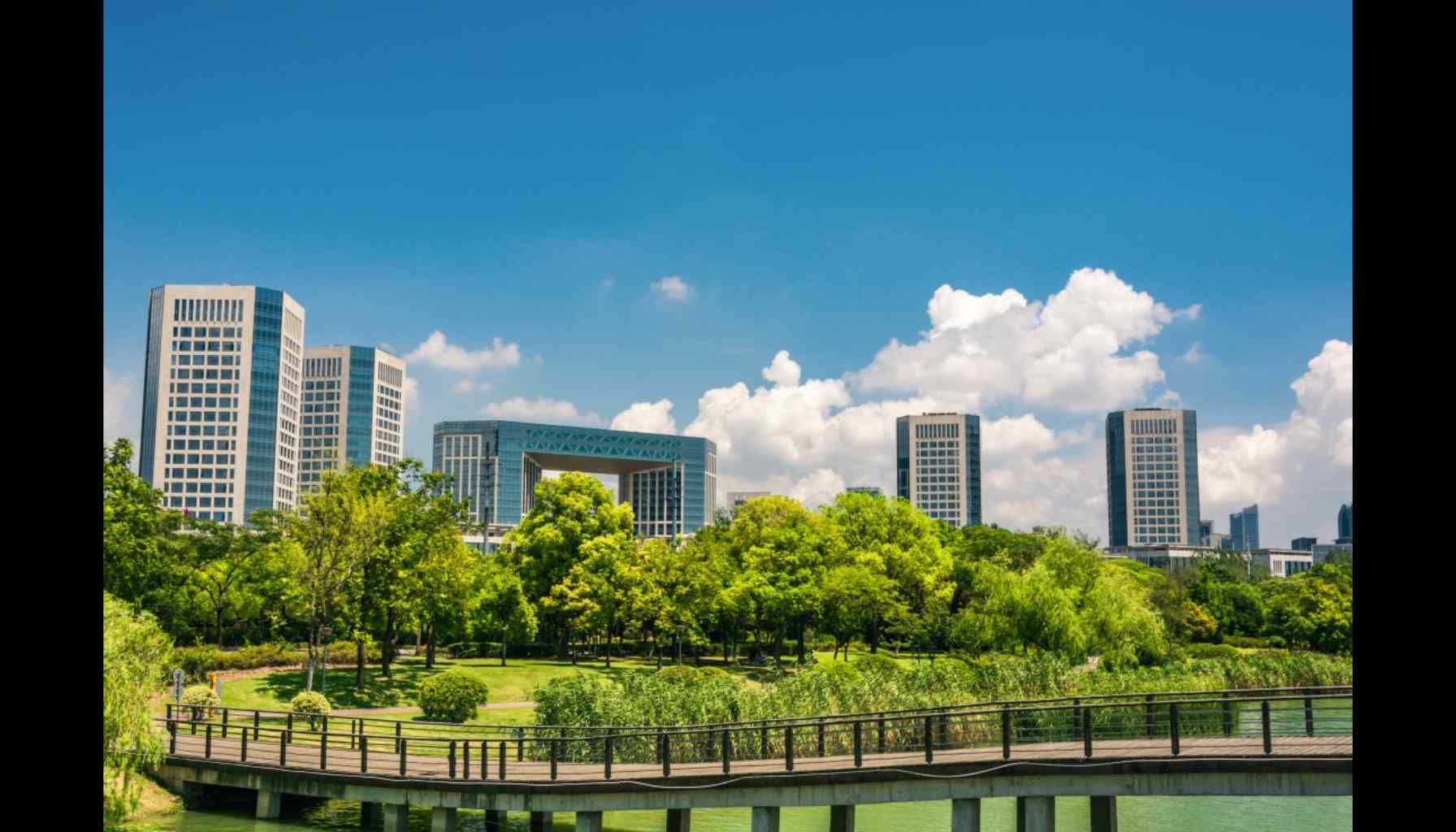
Commercial Buildings Become Green: A Sustainable Future for Cities
Commercial buildings such as offices, shopping malls, hotels, hospitals and business centres consume enormous amounts of electricity and water. They also generate waste and contribute to greenhouse gas emissions. As the world becomes increasingly concerned about climate change, businesses and property developers are transforming conventional buildings into green buildings.
What Are Green Commercial Buildings?
Green commercial buildings are designed, constructed and operated to minimise their environmental impact. They use energy and water efficiently, reduce waste, improve indoor air quality and make better use of natural resources. The goal is to create buildings that support both business productivity and environmental sustainability.
Green buildings may be designed from the beginning with sustainable features, or existing buildings can be upgraded through renovations and improved management practices.
Energy Efficiency Takes Centre Stage
One of the most important steps in making commercial buildings green is reducing electricity consumption. Offices and shopping centres require substantial energy for lighting, air conditioning, computers, lifts and other equipment.
Modern green buildings use LED lighting, energy-efficient air conditioners, smart sensors and automated systems that adjust lighting and temperature according to occupancy. Large windows and carefully designed layouts allow more natural daylight into workplaces, reducing the need for artificial lighting.
Solar panels installed on rooftops or parking structures can generate renewable electricity. Some buildings also use battery storage to make better use of solar power.
Smart building management systems monitor energy consumption and identify areas where electricity is being wasted. These technologies help businesses lower their energy bills while reducing their carbon footprint.
Saving Water and Reducing Waste
Water conservation is another important feature of green buildings. Rainwater harvesting systems collect and store rainwater for suitable non-drinking purposes. Low-flow taps, water-efficient toilets and smart irrigation systems reduce unnecessary water use.
Some commercial buildings treat wastewater and reuse it for gardening, flushing toilets and other appropriate purposes. These measures are particularly valuable in cities facing water shortages.
Waste management is equally important. Businesses are introducing recycling stations, composting systems and digital processes that reduce paper consumption. Construction and renovation projects can also reuse materials instead of sending everything to landfills.
Bringing Nature into Workplaces
Green buildings increasingly incorporate plants, landscaped terraces, rooftop gardens and outdoor relaxation areas. These features can make commercial spaces more pleasant and provide opportunities for employees to connect with nature.
Living walls and rooftop gardens may offer additional benefits, including shade and reduced heat absorption. Trees around buildings can provide shade and improve the surrounding environment.
Good ventilation, suitable indoor temperatures and low-emission construction materials can also improve indoor air quality. Comfortable workplaces may support employee well-being, concentration and productivity.
Green Buildings in India
India is witnessing growing interest in sustainable commercial construction. Organisations such as the Indian Green Building Council promote environmentally responsible building practices through green building rating systems. LEED, an international green building certification programme, is another widely recognised framework.
Commercial property developers in cities such as Bengaluru, Hyderabad, Mumbai and Delhi are adopting energy-efficient designs, renewable energy, water recycling and improved waste management. However, progress varies, and older buildings may require significant investment to become more sustainable.
Challenges and the Way Forward
The initial cost of green technology, limited awareness and difficulties in renovating older buildings can slow adoption. Nevertheless, energy savings, lower water bills, improved building performance and greater resilience can make these investments worthwhile over time.
Governments, architects, businesses and property owners must work together to encourage sustainable construction. Financial incentives, clear building standards and regular energy audits can accelerate the transition.
Conclusion
Making commercial buildings green is more than an architectural trend; it is an important step towards sustainable urban living. By conserving energy and water, reducing waste and creating healthier indoor environments, businesses can contribute to a cleaner future while improving their own efficiency.
As cities expand, green commercial buildings can help ensure that economic development goes hand in hand with environmental responsibility.
We wish them all the best.
By Jamuna Rangachari



Discussion (0)
No comments yet. Be the first to comment!
Leave a Comment
You need to login to post a comment.