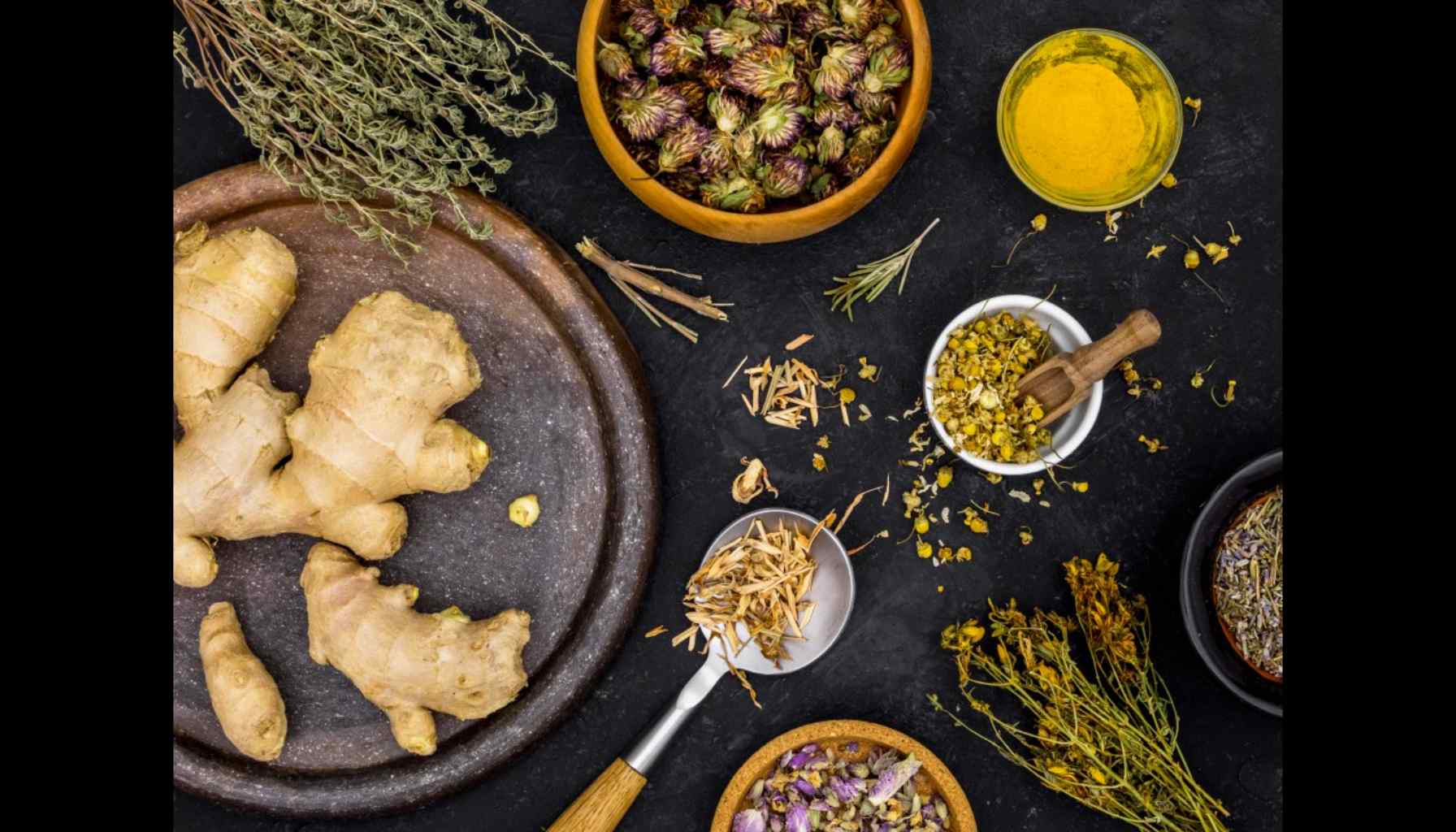
Herbs and Spices that support Immune Health
A healthy immune system depends on a balanced diet, adequate sleep, regular physical activity, stress management, and good hygiene. Herbs and spices can complement these habits by providing antioxidants and other plant compounds that support overall health. They should not be viewed as cures for infections or substitutes for medical treatment. Including a variety of herbs and spices in everyday meals is a simple way to add flavour as well as beneficial nutrients.
1. Turmeric
Turmeric is one of the most widely used spices in Indian cooking. It contains curcumin, a plant compound studied for its antioxidant and anti-inflammatory properties. Turmeric can be added to vegetables, dals, soups, rice dishes and curries. Combining turmeric with black pepper and a source of healthy fat is traditionally used to enhance its culinary use and may improve curcumin absorption.
2. Ginger
Ginger has been valued in traditional systems of medicine for centuries. It contains compounds such as gingerols and is commonly used to support digestive comfort. Fresh ginger can be added to tea, soups, stir-fries and curries. Ginger tea with lemon can also be a soothing beverage during colder weather.
3. Garlic
Garlic contains sulfur-containing compounds, including allicin, which forms when garlic is chopped or crushed. These compounds have been investigated for their antioxidant and antimicrobial properties. Garlic can easily be incorporated into dals, vegetables, chutneys, soups and sauces. Regular culinary use is a practical way to enjoy its potential health benefits.
4. Cinnamon
Cinnamon contains several antioxidant compounds and can contribute to a diet rich in plant-based protective substances. It can be sprinkled over oatmeal, fruit or porridge or added to tea and healthy desserts. Because cinnamon contains naturally occurring compounds that may have health effects, it is best used in normal culinary quantities rather than excessive amounts.
5. Tulsi
Tulsi, also known as holy basil, is traditionally used in Ayurveda and Indian households. Its leaves contain various plant compounds with antioxidant activity. Tulsi can be consumed as a fresh herb or prepared as a mild herbal tea. People taking medication or managing a medical condition should consult a healthcare professional before regularly using concentrated herbal preparations.
6. Black Pepper
Black pepper contains piperine, a compound responsible for its characteristic flavour. Piperine can also influence the absorption of certain substances, including some medicines. Therefore, people taking regular medication should seek professional advice before using concentrated black-pepper supplements.
7. Cloves
Cloves are rich in aromatic plant compounds and contain eugenol, which has antioxidant properties. Small amounts can be added to curries, rice dishes, soups and warm beverages. Their strong flavour means that only a little is usually needed.
Building an Immune-Supportive Diet
No single herb or spice can make the immune system stronger overnight. A better approach is to include a colourful variety of vegetables, fruits, whole grains, pulses, nuts and seeds alongside herbs and spices. Adequate protein, vitamins and minerals are also important for normal immune function.
Good sleep, regular movement, stress management, hydration and appropriate vaccinations are additional foundations of immune health. Herbs and spices work best as part of this broader lifestyle rather than as stand-alone remedies.
Conclusion
Turmeric, ginger, garlic, cinnamon, tulsi, black pepper and cloves can add both flavour and beneficial plant compounds to everyday meals. Using them sensibly as part of a varied, balanced diet can contribute to overall wellbeing. For persistent infections, significant symptoms or specific health conditions, appropriate medical advice remains important.
Let us incorporate all these in our diet.
By Jamuna Rangachari



Discussion (0)
No comments yet. Be the first to comment!
Leave a Comment
You need to login to post a comment.