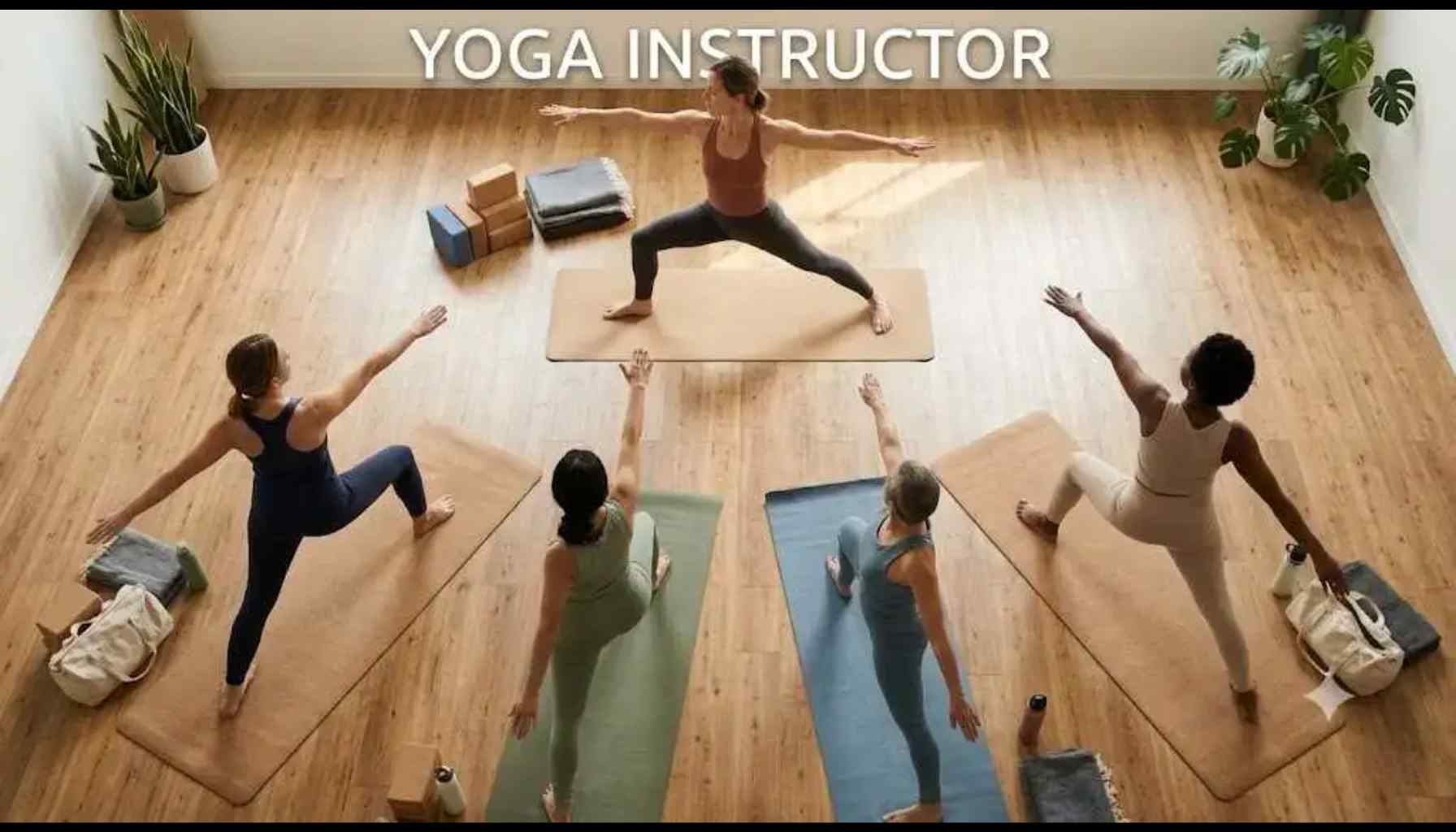
How to Become a Yoga Instructor: Essential Steps to Begin
Many people begin yoga as students and eventually consider teaching it themselves. If you are in that position, you may want a clear explanation of how to become a yoga instructor without sales pitches or confusing terminology. The route is more manageable than it may seem, and advanced poses are not a prerequisite.
This guide explains training options, credentials, how to select a school, likely expenses, useful teaching skills and ways to lead your first classes.
A practical route into yoga instruction is to maintain a regular personal practice, complete a 200-hour teacher-training programme, obtain the credential relevant to your intended workplace, and gain teaching experience early. In India, this often involves the Yoga Certification Board; in many other countries, teachers choose Yoga Alliance registration.
Key Takeaways
- The first step towards becoming a yoga instructor is developing a consistent personal practice rather than mastering difficult poses.
- For most new teachers, a 200-hour programme provides the basic training.
- Yoga teaching is not a licensed occupation in many regions, but studios commonly look for recognised training.
- The Yoga Certification Board in India and Yoga Alliance offer two widely used credential pathways.
- Assess a school by its course content, instructors and opportunities to practise teaching—not by its promotional images.
- Plan for the complete expense, including course materials, travel and assessment fees.
- Leading classes early and using feedback to improve can build confidence more effectively than waiting until you feel completely prepared.
Do You Need a Certificate to Teach Yoga?
In many countries, yoga instruction does not require a professional licence, meaning there may be no law preventing someone from leading a class. However, studios, fitness centres and corporate clients commonly ask instructors to show evidence of recognised training.
Training should be viewed as a way to protect the people you teach. A sound programme explains movement, common risks for beginners and how to adapt poses when needed.
How to Become a Yoga Instructor, Step by Step
Clarify your motivation. Consider why you want to teach yoga. Teaching in a studio, working with private clients, leading workplace sessions or joining a wellness programme may require different preparation, so your goal should guide your decisions.
Develop a regular practice before teaching others. It is difficult to guide students well if you practise only occasionally. Attend different classes—including Hatha, vinyasa and yin—and consider what you learn from each instructor.
Decide which yoga style you want to teach. There is no universally best option; choose one you understand and can describe authentically, since students can often tell when a teacher is speaking from experience.
Choose an appropriate training tier. A 200-hour yoga teacher-training course is generally the entry-level option. The table below outlines the main differences.
Compare potential schools by reviewing their curricula, instructors and feedback from former students. The checklist later in this guide can help.
Complete the programme and its evaluations. Depending on the school, this may involve daily practice, coursework, supervised teaching and written or practical tests.
Meet the certification or registration requirements relevant to the place where you intend to work, then begin teaching while continuing to develop your skills.
Which Training Level Should You Choose?
Your choice should reflect your aims. If you are working out how to become a yoga instructor, a 200-hour foundational course is usually a practical starting point.
|
Level |
Typical hours |
What it gives you |
|
Foundation |
200 |
Core postures, breathing, anatomy, philosophy, sequencing and practice teaching |
|
Advanced |
300 |
Deeper study; combined with a 200-hour course, it leads towards the RYT 500 route |
|
Specialist |
Varies |
Focused training such as prenatal, children's or restorative yoga |
Longer courses may use different names and hour requirements, so examine the actual curriculum instead of relying on the programme title.
What You Learn in Yoga Teacher Training
Before choosing your route to becoming a yoga instructor, review the subjects normally included in a well-designed foundation course:
- Posture technique, alignment and safe modifications.
- Breathing practices and how to cue them.
- Basic anatomy and physiology.
- Yoga philosophy and teaching ethics.
- Class sequencing and design.
- Practice teaching with feedback from experienced teachers.
Some programmes also cover meditation, Sanskrit vocabulary and introductory Ayurveda. Courses with more supervised teaching practice can help graduates feel better prepared for their first classes.
Specialisations You Can Add Later
Once your foundation is solid, you can add a focus area. Popular choices include:
- Prenatal and postnatal yoga.
- Children's yoga.
- Seniors' and chair yoga.
- Restorative and yin yoga.
- Trauma-informed teaching.
- Yoga therapy, which calls for more advanced qualifications.
Most specialisations require study beyond the foundation level. Further training may help define your niche, but it is usually more useful after you have taught general classes and gained experience with students of different abilities.
Certification Paths: How to Become a Yoga Instructor in India and Abroad
Credential requirements vary depending on where you intend to teach, and certification systems are not identical across countries.
India's Ministry of AYUSH established the Yoga Certification Board to support consistent standards in yoga instruction. Its credentials include Yoga Protocol Instructor, Yoga Wellness Instructor, and Yoga Teacher and Evaluator. Assessment is conducted through accredited institutions or authorised certification bodies. Since requirements can change, consult the board's official website before enrolling.
In many countries outside India, instructors choose to register with Yoga Alliance. The RYT 200 credential requires completion of a 200-hour course at a Yoga Alliance-registered school, with all training hours completed through that school. Maintaining registration involves following its conduct standards, completing continuing education every three years and paying an annual fee. Consult the organisation's RYT 200 page for current details.the Yoga Alliance RYT 200 page
Registration is optional in many settings, but yoga instructor certification of this kind can make your profile easier to read for studios abroad.
Is registration necessary when planning how to become a yoga instructor? It can be especially relevant when applying to studios or gyms in the United States, where employers may use it as an initial screening criterion. It may be less important for independent classes, online teaching or community-based work, where teaching quality and positive feedback can carry more weight. Check the expectations of employers in your intended area.
Here is how the main routes compare:
|
Route |
Best for |
Key requirements |
|
Yoga Certification Board (India) |
Teachers working in India or with Indian institutions |
Assessment through accredited institutions or approved certification bodies, at the level you choose. Levels and rules can change. |
|
Yoga Alliance RYT 200 |
Teachers aiming at studios abroad, especially in the US |
A 200-hour training from one registered school, then a code of conduct, continuing education every three years and an annual fee. |
|
Specialist or continuing courses |
Teachers adding a focus area |
Extra training in your chosen area. Requirements vary by provider. |
How to Choose the Right Yoga School
Selecting a school is a major decision on the path to becoming a yoga instructor. Compare your options carefully using this checklist:
- Read the full syllabus and the number of contact hours.
- Research each teacher's own training and teaching experience.
- Ask how much supervised practice teaching you will get.
- Check which bodies recognise the school, and verify this with them directly.
- Read independent reviews and, if possible, speak to past students.
- Request a written breakdown of fees, refunds and missed-session rules.
- Make sure safety and modifications are taught, not just poses.
Be cautious about programmes that promise certification after minimal study or guarantee that graduates will get a job.
Online, Residential or Hybrid Training?
The training format should fit your timetable and budget. Residential courses provide an immersive experience with fewer everyday distractions, but they generally cost more and require time away from home. Online programmes tend to be more flexible and affordable, though teaching practice takes place through a screen. Hybrid courses combine online and in-person elements.
Before enrolling, check that the credential you want accepts your chosen format, particularly if you hope to teach abroad. Requirements vary among organisations and may be updated.
Skills That Help You Become a Yoga Teacher Students Trust
Subject knowledge is only one part of becoming an instructor students can rely on. These personal and practical skills are also important:
- Clear, calm speech and simple cues.
- Sharp observation of how students move.
- The flexibility to adapt a class on the spot.
- Kindness, patience and healthy boundaries.
- A personal practice you keep up.
How Long Does It Take, and What Does It Cost?
The time needed to qualify depends largely on the course format. An intensive residential programme may take a few weeks, whereas part-time study can continue for several months. Leave additional time for independent study and assessments.
Fees depend on the country, provider and learning format. Residential courses may include accommodation and meals, unlike many online options. Ask for an itemised estimate and account for travel, books, assessment charges and registration fees.
Your First Classes: Where to Teach
After completing your training, practical experience is where much of the learning happens. Begin by teaching friends or relatives, then consider a community space, park, workplace or online group. Invite candid feedback and record a class occasionally to notice habits, such as speaking too quickly.
Later, you might teach in studios, gyms, schools, corporate wellness programmes, retreats or with private clients. Many new teachers combine several to build experience. Consider liability insurance before you teach yoga to paying students.
Earnings vary widely with location, class type and the number of hours you teach, so treat early income as modest and plan accordingly.
Ways to Earn as a Yoga Teacher and Find Your Students
Training is only half of how to become a yoga instructor with a steady income. Most teachers mix several income streams:
- Group classes at studios, gyms or community centres.
- Private sessions for individuals or small groups.
- Workplace and school programmes.
- Online classes or memberships.
- Workshops and retreats.
Building a student base takes time. Start by telling people in your network, connect with nearby businesses, run an introductory class for free or by donation, and ask participants for honest testimonials. A basic website or social media page can also make your classes easier to discover.
Approach teaching as a small business. Maintain clear records, learn the local rules for self-employment and set rates that account for preparation time, travel and teaching hours.
A quick reality check: income usually builds gradually, and many teachers start part-time while keeping another source of income. If you love to teach yoga, that slow start is worth it. If you only want fast money, other careers may suit you better.
Staying Safe and Within Your Scope
A trustworthy instructor understands the limits of their role. Teachers guide yoga practice rather than diagnose or treat health conditions. Ask students about relevant injuries or conditions, offer suitable alternatives and recommend medical advice when a concern is beyond your qualifications.
Terms such as yoga therapy imply extra qualifications, and Yoga Alliance has a policy on how registered teachers may use them.
Insurance, CPR and First Aid
Planning for a yoga teaching career also means preparing for unexpected situations. A studio's insurance may not protect you individually, so confirm the details rather than assuming you are covered. Many instructors obtain personal liability insurance in case a student alleges an injury during class.
Basic CPR and first-aid skills are useful to have. They may be required by some employers or local authorities and can help you respond calmly if a participant becomes unwell. Check the rules where you plan to teach and the requirements of each venue.
Keep Learning After You Qualify
Qualifying is not the end of professional development. Instructors often continue learning through workshops, assisting experienced teachers and eventually completing a 300-hour programme. Yoga Alliance registration also includes continuing-education requirements, making ongoing study useful even for teachers who are not registered.
Common Mistakes When Learning How to Become a Yoga Instructor
- Choosing a course only because it is the cheapest or shortest.
- Skipping supervised practice teaching.
- Copying another teacher's script word for word.
- Building sequences that are too complicated for beginners.
- Letting your own practice fade after certification.
- Treating the certificate as the end of learning.
Frequently Asked Questions
How long does it take to become a yoga instructor?
The duration depends on the type of programme. An intensive 200-hour course may be completed in several weeks, while a part-time option can take a number of months.
Can I become a yoga instructor with no experience?
Many foundation programmes do not require previous teaching experience. Still, establishing a regular personal practice before enrolling can make the training more approachable and rewarding.
Am I too old to learn how to become a yoga instructor?
There is no universal maximum age for yoga teachers, and people enter the profession at different stages of life. If you have health concerns, consult a healthcare professional before undertaking the physical demands of training.
How much does it cost to become a yoga instructor?
The total depends on the school, location and whether you study online or residentially. Ask for a written estimate that covers tuition, accommodation, learning materials and examination charges.
Is it hard to become a yoga instructor?
Although the steps are clear, training requires consistent practice, study and supervised teaching. Anyone pursuing this career should expect a meaningful challenge that is still achievable with commitment.
Can I become a yoga instructor online?
Yes. Online teacher-training courses offer flexibility and often cost less than residential programmes, although practice teaching is usually conducted remotely. Before paying, verify that the credential you need accepts online study, especially if you plan to register with Yoga Alliance or teach in India. Look for courses that provide live feedback rather than relying only on recorded lessons.
Is yoga teacher training worth it?
For people who intend to teach, a good programme can be worthwhile. It develops safe instruction, foundational anatomy, class planning and supervised teaching skills, while giving studios a recognised qualification to consider. However, it does not guarantee full-time earnings, so compare the total cost with your goals. Training may also be valuable if you mainly want to deepen your own practice.
How much do yoga instructors earn?
Income depends on location, the type of classes offered and the hours worked. The U.S. Bureau of Labor Statistics does not report a separate wage figure for yoga instructors; its broader fitness-trainer and instructor category had a median annual wage of $46,180 in May 2024. This is only a general reference, not a prediction of yoga-teacher earnings, since many work part-time or combine several roles. In India, ask local studios and training institutions about current rates when planning your finances.
Do I need to be flexible to become a yoga instructor?
No. Touching your toes or doing the splits is not a requirement. Effective teaching relies on clear instructions, attentive observation and offering safe variations; a quality course helps you develop these abilities progressively.
Bottom Line
Becoming a yoga instructor involves building a personal practice, choosing a reputable foundation programme, gaining the credential suited to your intended work and beginning to teach while you continue learning.
Take care when selecting your school, teach within your qualifications and continue developing your skills after certification. Together, these habits help turn a qualification into a sustainable teaching path.



Discussion (0)
No comments yet. Be the first to comment!
Leave a Comment
You need to login to post a comment.