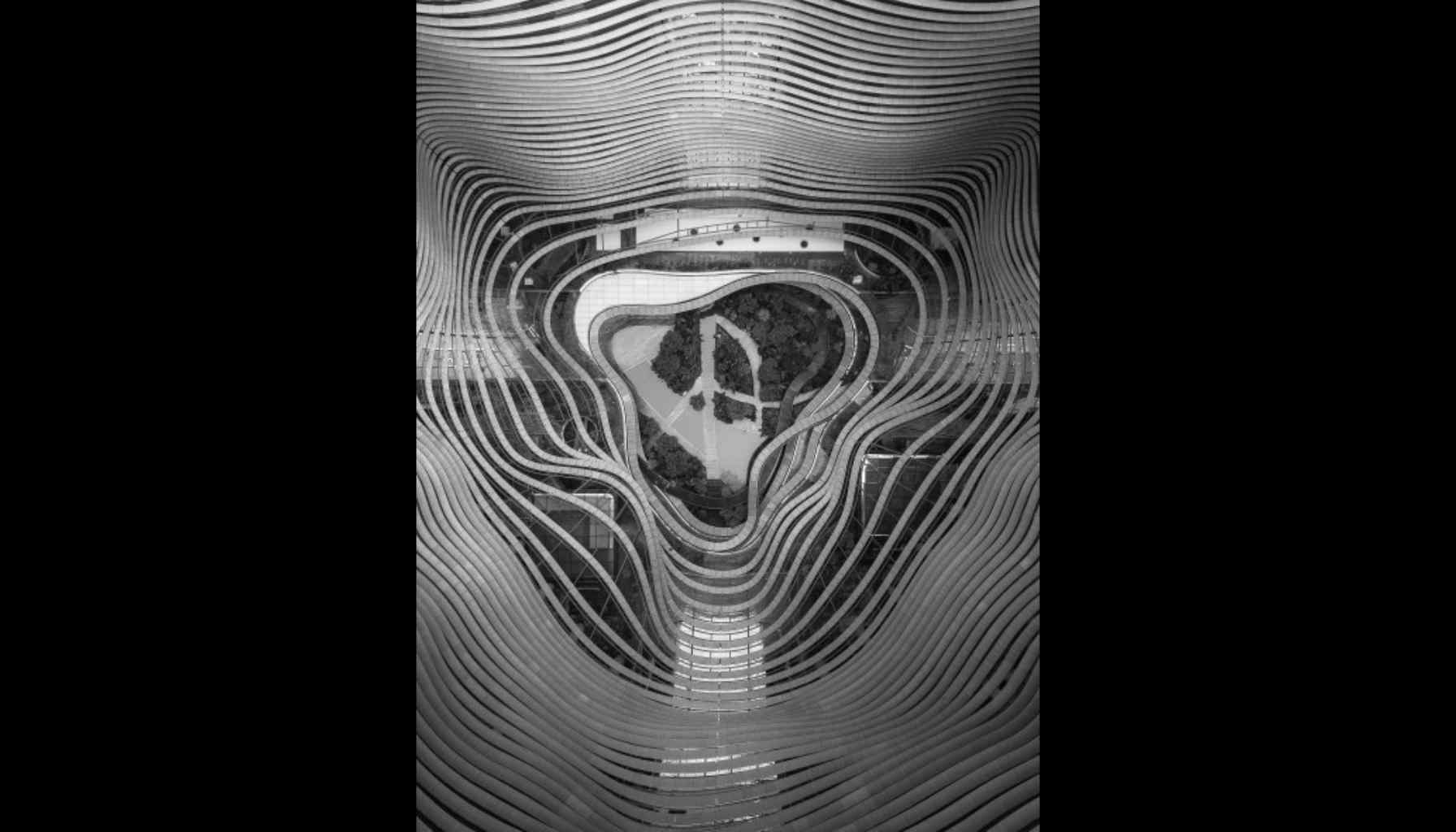
Indiana introduces Architecture of Sound
Architecture is usually associated with buildings, spaces, materials and visual beauty. Yet every building also has a soundscape. The footsteps in a corridor, the echo inside a temple, the quietness of a library and the clarity of music in a concert hall are all influenced by architectural design. Architecture of sound refers to the thoughtful integration of acoustics into the design of buildings and public spaces so that sound becomes an important part of the human experience.
Understanding the Architecture of Sound
Sound travels through spaces in different ways depending on their size, shape, materials and surfaces. Hard surfaces such as concrete, glass and stone can reflect sound, while softer materials such as carpets, curtains, acoustic panels and upholstered furniture can absorb it. Architects therefore consider how sound will behave when planning a building.
A well-designed space does not necessarily have to be completely silent. Instead, it should provide the appropriate acoustic environment for its purpose. A classroom requires clear speech, a hospital needs calm surroundings, a theatre requires controlled sound distribution, and a recording studio needs highly precise acoustic conditions.
Designing Spaces for Better Acoustics
The shape of a room has a major influence on sound. Curved surfaces, ceilings and walls can direct or scatter sound, while poorly positioned surfaces may create unwanted echoes or sound concentration. The placement of doors, windows and partitions can also influence the movement of sound between rooms.
Modern architects often use acoustic materials as part of the visual design. Perforated wooden panels, fabric-covered walls, suspended ceilings and specially designed acoustic tiles can reduce excessive reverberation while adding character to an interior.
Technology has also expanded the possibilities of sound architecture. Modern buildings may use microphones, speakers, sound masking systems and digital acoustic controls to create suitable sound environments. These technologies can complement rather than replace good architectural planning.
Architecture and Human Well-Being
Sound has a strong effect on human comfort and concentration. Excessive noise can cause distraction, stress and fatigue, particularly in busy urban environments. Thoughtful acoustic design can therefore contribute to healthier and more comfortable spaces.
Schools, offices and healthcare facilities increasingly recognize the importance of controlling background noise. In homes, good acoustic design can improve privacy and create peaceful areas for rest and relaxation. Public spaces can similarly benefit from designs that reduce unnecessary noise while preserving useful sounds and social interaction.
The Cultural Dimension of Sound
Architecture also reflects the cultural relationship people have with sound. Traditional buildings such as temples, theatres, courtyards and community halls often developed distinctive acoustic qualities through their proportions and materials. These spaces demonstrate that acoustic design is not simply a modern technological concept; it has long been connected with architecture and human activity.
Conclusion
Architecture of sound encourages designers to think beyond what a building looks like. It asks them to consider what people will hear, how sound will move through a space and how that sound will influence human experience. By combining architectural form, appropriate materials, acoustic science and technology, buildings can become more comfortable, functional and meaningful.
Ultimately, good architecture is experienced through more than the eyes. We see buildings, but we also hear them—and their sounds can become an essential part of their identity.
This certainly is extremely helpful to all, especially the visually challenged. Let us all learn from them.
By Jamuna Rangachari

Discussion (0)
No comments yet. Be the first to comment!
Leave a Comment
You need to login to post a comment.