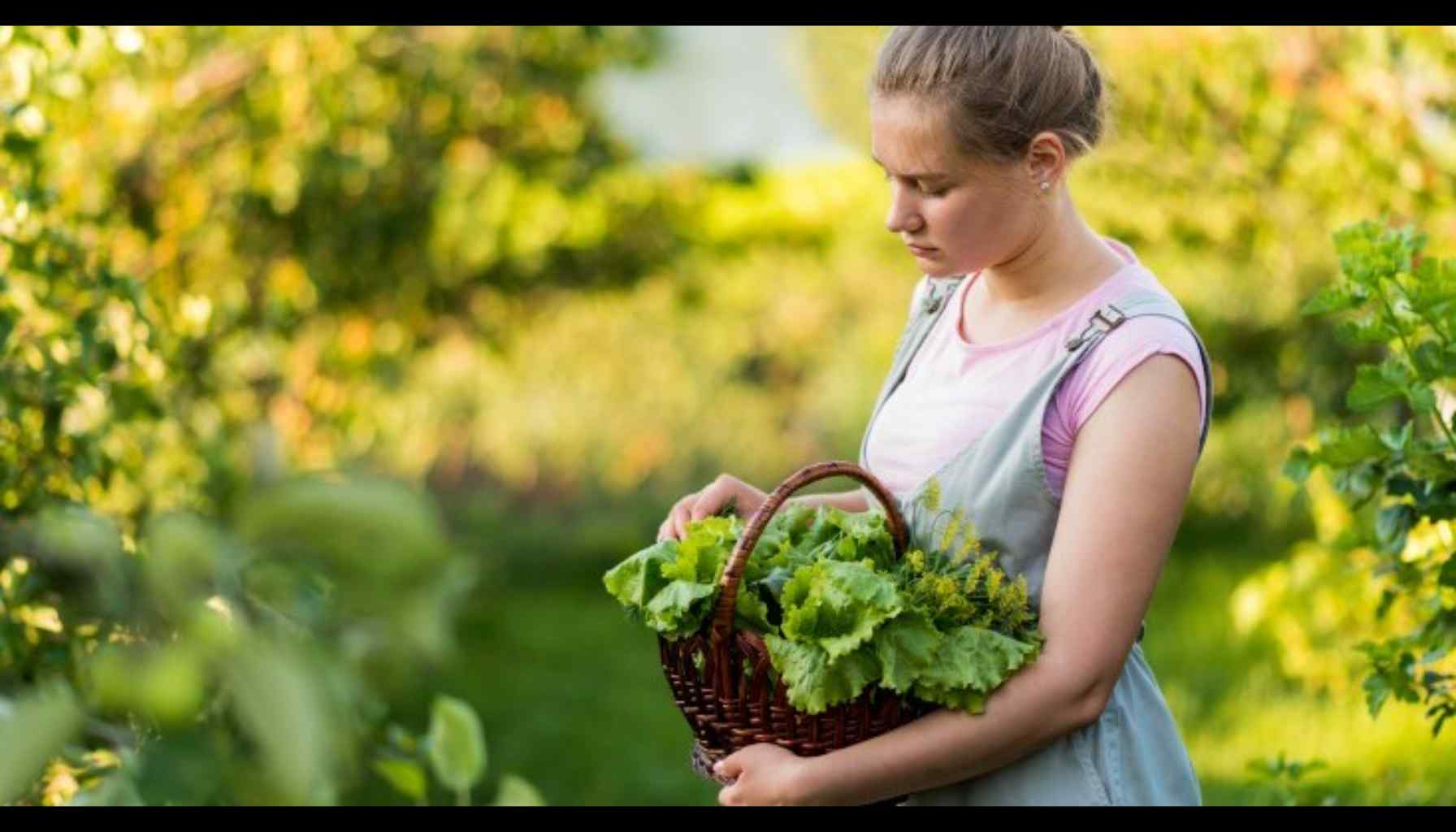
UK builds a healthier food system
Regenerative organic farming is gaining attention in the United Kingdom as farmers, food producers and consumers look for ways to protect the environment while producing healthy food.
What Is Regenerative Organic Farming?
Regenerative organic farming goes beyond avoiding synthetic pesticides and artificial fertilisers. Farmers may use crop rotation, cover crops, composting, reduced soil disturbance, hedgerows and carefully managed livestock grazing. This is a great initiative for the environment and our health. It is indeed time we take this seriously. Fortunately, this does seem to be taking place. It is bound to spread all over the world for sure and we are moving in that direction. Using dairy impacts the whole farming arena so we are happy that has been taken up too. It is not just animals but the earth and soil benefits too.
Regenerative practices add a strong emphasis on improving the land over time. However, not every organic farm follows the same regenerative methods, and the benefits depend on local conditions and how the land is managed. This need to be learnt by all stage by stage and is indeed happening as we can see.
The Growing Movement in the UK
The UK is very active here. The government and the citizens take it very seriously so everyone works together to make it happen. This is certainly happening in the UK. One example is the work of the Soil Association, a UK-based organisation that promotes sustainable food and farming.
Another example is Riverford Organic Farmers, known for supplying organic vegetables and other food products. Its approach highlights the relationship between farming practices, seasonal produce and the environment. Businesses and farms across the UK are also experimenting with cover cropping, agroforestry and improved grazing management. More are bound to emerge as everyone is taking the earth and farming more seriously to leave behind a better world for our children.
Conclusion
Everyday decisions—from choosing certified organic produce to reducing food waste—can help support this transition. The ultimate goal is not simply to produce food today, but to preserve fertile soil, thriving wildlife and productive farmland for future generations. The approach combines organic farming principles with practices that restore soil fertility, improve biodiversity and support animal welfare. So, it indeed is very beneficial and does need to be understood and used by all in the world
We wish this initiative all the best.
By Jamuna Rangachari


Discussion (0)
No comments yet. Be the first to comment!
Leave a Comment
You need to login to post a comment.