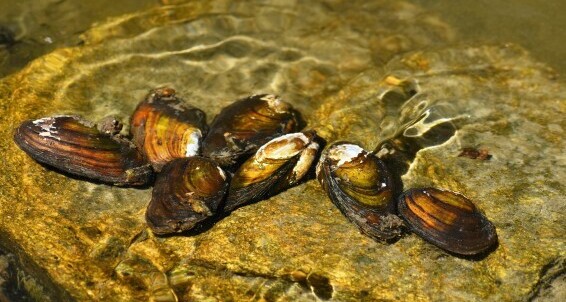
Oystets return to New Zealand
A Hopeful Revival of Marine Life
New Zealand is exploring ways to bring back its native oyster populations and revive an industry that once provided livelihoods for coastal communities. Scientists, conservationists and M?ori organisations are working together to restore oyster habitats, encourage sustainable aquaculture and protect marine biodiversity.
Oysters are more than a popular seafood delicacy. They play an important role in maintaining healthy marine ecosystems. By filtering seawater, providing shelter for other marine organisms and creating habitats on the seabed, oyster populations contribute to the overall health of coastal environments.
The efforts to restore oysters in New Zealand offer hope for both nature and local communities.
The Return of the Native Rock Oyster
One important initiative involves the native rock oyster, which was once cultivated commercially in New Zealand, particularly in Whangaroa Harbour in Northland.
The industry gradually declined after Pacific oysters became more popular. Pacific oysters grew faster, reached larger sizes and were easier to cultivate. Consequently, native rock oysters received less attention for several decades.
In 2021, scientists from the National Institute of Water and Atmospheric Research (NIWA), now part of Earth Sciences New Zealand, joined hands with the Northland-based Kahukuraariki Trust Board to investigate whether the native rock oyster industry could be revived.
The project achieved an encouraging breakthrough. Researchers successfully bred rock oysters in a hatchery, producing more than one million eggs and larvae. Approximately 300,000 young oysters, known as spat, were produced after the settlement process.
These young oysters were then transferred into specially designed floating growing systems. Such systems help protect them from predators while allowing seawater to circulate and support their growth. The long-term objective was to establish breeding programmes and eventually develop sustainable oyster farming in Northland.
Benefits for Marine Ecosystems
Oysters are natural water filters. They feed by drawing water through their bodies and removing suspended particles, including algae and organic matter.
Healthy oyster populations can therefore contribute to improved local water clarity. Oyster beds also provide habitats for small fish, crabs and other marine organisms.
Restoring oyster populations can help rebuild biodiversity and strengthen coastal ecosystems. However, successful restoration also requires clean water, suitable seabed conditions and protection from disease and excessive harvesting.
Protecting the Famous Bluff Oysters
New Zealand is also working to protect its celebrated Bluff oyster fishery in Foveaux Strait.
Bluff oysters, traditionally known as tio, are an important part of the country's seafood heritage. However, their populations have experienced serious challenges from disease, particularly the parasite Bonamia, as well as environmental pressures and fishing activity.
In 2026, concerns about declining oyster numbers led Ng?i Tahu Seafood to decide against harvesting for a second consecutive year. Surveys nevertheless identified encouraging numbers of young oysters beginning to grow towards adulthood.
Scientists estimate that oysters generally take three to five years to reach harvestable size. Careful management and protection of important oyster beds are therefore essential for recovery.
M?ori Communities Lead the Way
M?ori communities have a longstanding cultural and economic relationship with the sea. Their participation in oyster restoration brings together traditional environmental knowledge, scientific research and sustainable economic development.
The involvement of iwi organisations can also create employment, develop aquaculture skills and provide opportunities for younger generations to participate in marine industries.
A Promising Future
The return of native oysters could benefit New Zealand in several ways. It offers opportunities to restore marine biodiversity, diversify aquaculture, support coastal livelihoods and preserve an important part of the country's natural heritage.
However, restoration is a gradual process. Disease management, water quality, responsible harvesting and continued scientific monitoring will determine its success.
New Zealand's oyster revival demonstrates how collaboration between scientists, indigenous communities and conservation organisations can help rebuild threatened marine resources.
The message is simple: protecting oysters means protecting much more than a seafood resource. It means investing in healthier oceans and a more sustainable future.
We wish them all the best.
By Jamuna Rangachari


Discussion (0)
No comments yet. Be the first to comment!
Leave a Comment
You need to login to post a comment.