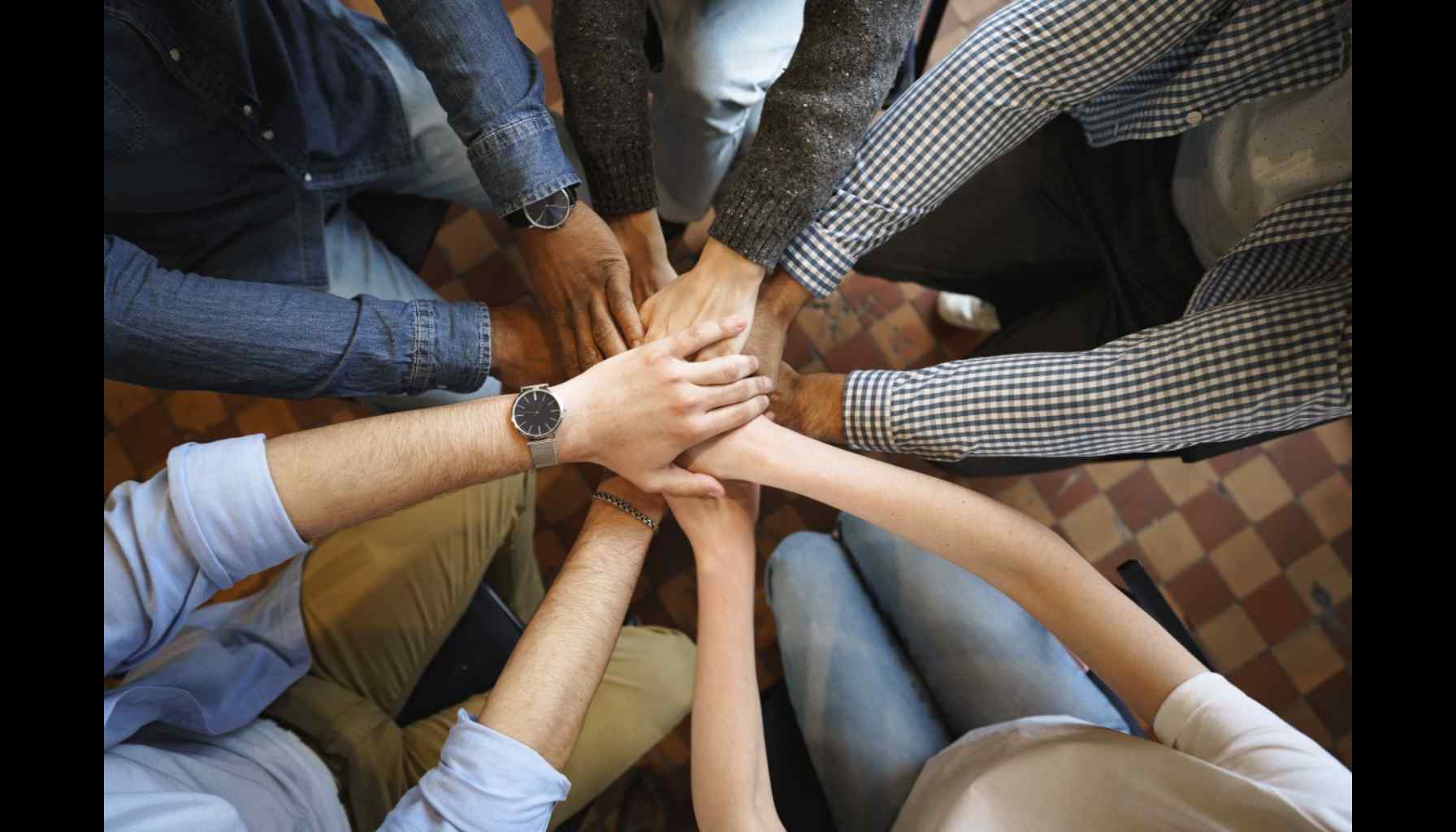
Becoming Part of the Community: Process, Methodology and Benefits
Introduction
Human beings naturally seek connection, companionship and a sense of belonging. While family and close friendships can provide important emotional support, the wider community also plays a valuable role in creating meaningful relationships and a sense of purpose. Becoming part of one’s community means moving beyond being a passive observer and taking an active interest in the people, places, activities and causes around us.
Community participation can take many forms. It may involve volunteering at a local organisation, joining a cultural or recreational group, attending neighbourhood events, helping with a community initiative, participating in educational activities or simply developing friendly relationships with people nearby. It does not require a person to be highly social or constantly involved. Small, consistent interactions can gradually create meaningful connections.
A community-centred approach can support social well-being, confidence, communication, learning and mutual responsibility. It can also help people discover opportunities to contribute their skills while receiving support from others. The process is most effective when participation is voluntary, respectful, inclusive and balanced with personal needs.
Becoming Part of One’s Community
Becoming part of a community is an ongoing process rather than a single activity. It begins with awareness of the environment around us and develops through participation, relationships and contribution.
A person may start by learning about local groups, neighbourhood activities, cultural organisations, libraries, educational programmes, volunteer opportunities or recreational clubs. Over time, regular participation can transform unfamiliar social spaces into places where one feels comfortable and connected.
Community involvement does not have to be extensive. Even greeting neighbours, attending a local gathering or helping someone with a practical task can become a starting point for deeper participation.
Understanding Community and Belonging
Connection, Identity and Shared Values
A community brings together people who may share a location, interest, culture, purpose or set of values. Being connected to such a group can provide a sense of identity and belonging.
Shared interests create natural opportunities for conversation. For example, people who enjoy music may join a music group, while those interested in gardening may participate in a local gardening initiative. These shared activities provide a comfortable foundation for relationships.
Social Support and Mutual Responsibility
Healthy communities involve both giving and receiving. People may exchange practical assistance, information, encouragement, companionship and emotional support.
Mutual responsibility does not mean being responsible for everyone. Rather, it involves recognising that individual well-being and community well-being can influence each other. A small act of kindness, cooperation or service can strengthen social relationships.
Diversity, Inclusion and Respect
Communities include people with different backgrounds, ages, abilities, experiences, beliefs and perspectives. Meaningful community participation requires respect for these differences.
Inclusion means creating spaces where people feel welcome and able to participate. Listening without immediately judging, avoiding unnecessary assumptions and giving others an opportunity to contribute can help build respectful relationships.
Community Participation Methodology
Understanding Personal Interests and Strengths
The first step is self-awareness. Consider what activities are enjoyable, meaningful or personally motivating.
A person may have strengths in teaching, organising, cooking, writing, technology, music, gardening, administration, communication or practical problem-solving. These abilities can become useful contributions to the community.
Identifying Local Groups and Opportunities
The next step is to discover what is available locally. Opportunities may include resident associations, libraries, schools, temples, community centres, cultural organisations, sports clubs, senior groups, environmental initiatives, charitable organisations and informal neighbourhood groups.
Online community pages and local noticeboards can also provide information about events and activities.
Building Connections Through Small Steps
There is no need to become deeply involved immediately. Start with a manageable activity.
Attend one meeting, introduce yourself to one person, participate in a short event or volunteer for a limited task. Small experiences can gradually increase familiarity and confidence.
Contributing Skills, Time and Ideas
Community participation becomes more meaningful when people contribute something of themselves. This could be an hour of volunteering, professional knowledge, creative ideas or simply a willingness to help.
Contribution should be realistic. It is better to make a small commitment consistently than to take on too much and become overwhelmed.
The Process of Becoming an Active Community Member
Exploring the Local Community
Begin by observing what happens around you. Look for community events, educational programmes, cultural gatherings, social groups and volunteer opportunities.
Ask simple questions: What activities interest me? What needs exist locally? Which groups welcome new members?
Choosing Meaningful Activities
Select activities that align with personal interests and values. Meaningful participation is easier to sustain when it provides enjoyment, learning or a sense of contribution.
For example, someone interested in nature might participate in a tree-planting initiative, while someone who enjoys teaching might support a literacy programme.
Meeting People and Building Relationships
Relationships usually develop gradually. Begin with simple conversations and shared activities rather than expecting immediate friendships.
Remembering names, asking genuine questions, listening carefully and showing interest in others can help establish connections.
Participating Consistently
Consistency is important. Attending an activity once may create an introduction, but regular participation creates familiarity.
Over time, people begin recognising one another, conversations become easier and relationships can naturally deepen.
Taking Responsibility and Contributing
As familiarity increases, a person may take on additional responsibilities. This could include helping organise an event, welcoming newcomers, sharing expertise or coordinating a small activity.
Responsibility can strengthen both confidence and connection.
Potential Benefits of Community Participation
Greater Sense of Belonging
Participation can help people feel that they are part of something larger than themselves. Knowing familiar faces and having a meaningful role can create a stronger sense of belonging.
Social Connection and Emotional Well-Being
Positive social relationships can provide companionship and opportunities to share experiences. Regular social interaction may also reduce feelings of loneliness and social disconnection.
Community involvement should not be viewed as a substitute for professional support when someone is experiencing significant emotional or mental health difficulties, but it can be one component of a healthy support network.
Confidence and Communication Skills
Speaking with new people, participating in discussions and taking responsibility can gradually strengthen communication skills.
Someone who initially feels uncomfortable in social settings may become more confident through repeated, low-pressure experiences.
Learning and Personal Growth
Communities are places of informal learning. People can learn new skills, discover different perspectives and gain practical knowledge from others.
Teaching and sharing knowledge can also reinforce one's own understanding and confidence.
Purpose, Meaning and Social Contribution
Helping others can provide a sense of usefulness and purpose. Whether the contribution is large or small, knowing that one's actions benefit others can make everyday life more meaningful.
Ways to Become More Involved in the Community
Volunteering and Social Service
Volunteering is a direct way to contribute. Opportunities may include supporting children, older adults, environmental programmes, food distribution, literacy initiatives, animal welfare or charitable activities.
Choose an organisation whose goals and expectations are clear and whose time requirements are manageable.
Local Clubs and Interest Groups
Book clubs, walking groups, music groups, yoga groups, sports clubs, gardening groups and hobby associations provide natural opportunities to meet people with similar interests.
Shared activities can make social interaction feel more comfortable because conversation develops around a common purpose.
Cultural, Educational and Recreational Activities
Cultural programmes, lectures, workshops, exhibitions, festivals and recreational classes can bring people together.
Participating in such activities can also help individuals understand and appreciate the cultural richness of their local community.
Community Events and Neighborhood Initiatives
Neighbourhood clean-ups, celebrations, awareness campaigns, residents' meetings and local improvement projects offer opportunities for practical participation.
Even occasional involvement can help people become more familiar with their surroundings.
Supporting Local Causes and Organizations
People can support local causes by donating time, sharing information, purchasing from community enterprises, attending fundraising activities or contributing professional expertise.
Support does not always have to be financial. Skills, connections and time can also be valuable resources.
Building Meaningful Community Relationships
Active Listening and Open Communication
Good relationships require genuine listening. Instead of thinking about what to say next, pay attention to what another person is communicating.
Open-ended questions, empathy and respectful conversation can help people feel heard.
Respecting Different Perspectives
Community relationships do not require complete agreement. People may have different experiences and opinions.
Respecting differences while maintaining personal boundaries allows diverse individuals to work together constructively.
Offering Help and Accepting Support
Healthy relationships involve reciprocity. Offering assistance when appropriate can strengthen trust, but accepting help is equally important.
Allowing others to contribute can make relationships more balanced rather than making one person permanently the giver.
Developing Trust Over Time
Trust develops through consistency, reliability and respectful behaviour. It cannot be forced.
Keeping commitments, maintaining appropriate confidentiality and treating people fairly can gradually strengthen community relationships.
Creating a Community-Centered Lifestyle
Making Social Connection Part of Daily Life
Community connection can become part of ordinary routines. Greeting neighbours, visiting local spaces, participating in group activities or checking on someone occasionally can create regular opportunities for interaction.
Balancing Community Involvement With Personal Needs
Community participation should enhance life rather than become another source of pressure.
Consider personal energy, work responsibilities, family commitments, rest and individual interests before accepting responsibilities.
Maintaining Healthy Social Boundaries
Being involved does not mean being available all the time. Healthy boundaries help protect personal time and emotional well-being.
It is appropriate to decline responsibilities that are unrealistic or uncomfortable.
Continuing to Learn and Contribute
Community participation can evolve as interests and circumstances change. Continue exploring new activities, learning from others and finding ways to contribute.
A person may move from participant to volunteer, mentor, organiser or informal leader over time.
Overcoming Barriers to Community Participation
Moving Beyond Social Isolation
People experiencing social isolation may find the first step difficult. Rather than attempting to build many relationships immediately, begin with one manageable social activity.
Regular exposure to positive social environments can make participation progressively easier.
Managing Shyness and Social Discomfort
Shyness does not prevent community participation. Start with structured activities where there is a clear purpose.
For example, volunteering for a specific task can make interaction easier because attention is focused on the activity rather than on social performance.
Finding Communities That Feel Supportive
Not every group will be suitable for every individual. If a particular environment feels disrespectful, judgmental or uncomfortable, explore alternatives.
A supportive community generally allows people to participate without feeling pressured to change their identity or compromise important boundaries.
Starting Small and Building Confidence
Small successes matter. Attending one meeting, introducing yourself to someone or completing a simple volunteer task can be enough for a beginning.
Confidence often develops through experience rather than waiting until one feels completely confident before participating.
Creating a Sustainable Community Connection
Choosing Consistent Forms of Participation
Sustainable participation depends on realistic commitments. A weekly activity, monthly volunteer role or regular neighbourhood gathering may be easier to maintain than an intensive schedule.
Developing Reciprocal Relationships
Healthy community relationships involve both contribution and support. Be willing to help others while also allowing yourself to receive assistance when needed.
Sharing Skills and Personal Strengths
Every individual has something to offer. Professional knowledge, life experience, creativity, practical skills and interpersonal abilities can all contribute to community life.
Adapting Involvement as Needs Change
Life circumstances change. Work, family responsibilities, age, mobility and personal interests may affect the amount of participation possible.
Community involvement can therefore be adjusted rather than abandoned. A person may shift from physical volunteering to mentoring, online coordination, teaching or occasional participation.
Frequently Asked Questions
What are the benefits of community participation?
Community participation can encourage belonging, social connection, communication, learning, confidence, mutual support and a sense of purpose. The experience varies according to the individual and the quality of the community environment.
What are some ways to get involved locally?
People can volunteer, join clubs, attend cultural or educational programmes, participate in neighbourhood initiatives, support local organisations or take part in recreational activities.
How are community, belonging and well-being connected?
Feeling connected to others can provide companionship, social support and a sense of being valued. A supportive community can therefore become one part of a broader approach to social and emotional well-being.
How can social connections be built gradually?
Start with low-pressure activities and small interactions. Attend regularly, listen to others, participate in shared activities and allow relationships to develop naturally over time.
Building a Stronger Sense of Community and Belonging
Becoming part of one's community is ultimately about participation, connection and contribution. It does not require extraordinary effort or constant social activity. Meaningful community life can begin with something as simple as greeting a neighbour, joining a local group, attending an event or offering one's skills to a useful cause.
The most sustainable approach is gradual. Understand personal interests, identify suitable opportunities, start with manageable activities and build relationships through consistency. At the same time, respect diversity, maintain healthy boundaries and allow participation to evolve with changing needs.
A strong community is created not only by organisations and leaders but also by ordinary individuals who choose to participate, listen, help and cooperate. When people contribute according to their abilities while remaining open to receiving support, communities can become spaces of belonging, learning and mutual care.
Community living therefore offers more than social interaction. It provides opportunities to develop relationships, discover purpose, share knowledge and contribute to something beyond the individual. By taking small but consistent steps towards participation, each person can help create a more connected, inclusive and supportive community while enriching their own everyday life.
By Jamuna Rangachari


Discussion (0)
No comments yet. Be the first to comment!
Leave a Comment
You need to login to post a comment.