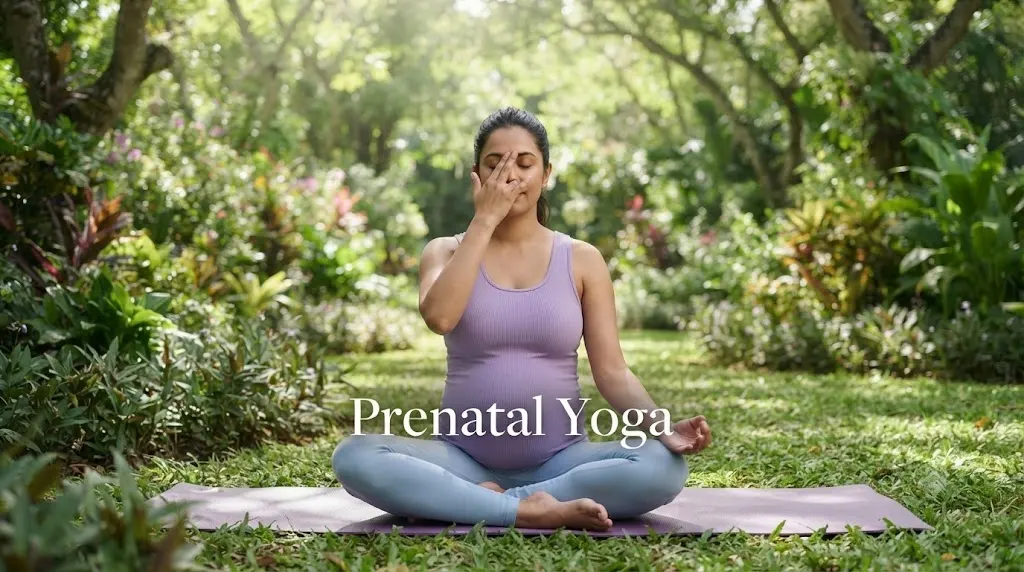
Prenatal Yoga: Guide for Expecting Mothers
Prenatal yoga offers gentle movement, breathing, and relaxation for women during pregnancy. Modified poses can support strength, flexibility, balance, and comfort simultaneously as the body changes. Practising with proper guidance helps expecting mothers exercise safely at each stage of pregnancy.
Key Takeaways
- Choose gentle yoga poses adapted to pregnancy changes.
- Avoid overheating, overstretching, and prolonged back-lying.
- Stop yoga practice when warning symptoms appear.
What Is Prenatal Yoga?
Prenatal yoga is a gentle, modified yoga practice designed to support the body through pregnancy's changing physical and emotional demands. It combines safe stretching, breathwork, and mindfulness to help expecting mothers stay strong, flexible, and calm as they prepare for labor, delivery, and the transition into motherhood. Because the body shifts dramatically from the first trimester to the third, poses and intensity are adapted at each stage.
Hormonal Changes During Pregnancy
The process of pregnancy causes the body to produce more hormones such as relaxin, progesterone, and estrogen that help loosen joints and ligaments to make the body ready for childbirth. Although this helps increase the flexibility of the body, it increases the danger of being overstretched; therefore, the yoga poses are performed with more care than usual.
What to Expect from a Prenatal Yoga Class
A prenatal yoga class will involve slower exercises, mild stretching, and modifications of various yoga postures, along with props to support your body. Yoga instructors usually concentrate on breathing, relaxing, and creating a bond with fellow expectant mothers.
Preparations: Keep a few towels with you that can be used to cushion your knees and back while you sit or kneel. Also have a bottle of water nearby; wear comfortable clothing and ensure you do not have a full stomach before you begin.
Yoga in the First Trimester
The first trimester calls for gentle, grounding movement without twists or deep abdominal compression, since the body is still adjusting and the fertilized egg is settling into the uterine wall.
- Cat-Cow Stretch (Marjaryasana-Bitilasana) – On hands and knees, alternate arching and rounding the spine with each breath. It eases early back discomfort.
- Standing Mountain Pose (Tadasana) – Stand tall with feet hip-width apart, arms relaxed, and breathe deeply for ten breaths. It builds body awareness and keeps you calm.
Yoga in the Second Trimester
As the belly grows and balance shifts, the second trimester focuses on building strength and stability while avoiding poses that compress the abdomen.
- Warrior II Pose – Stand with a wide base and bend one knee while keeping arms out at shoulder height and parallel to the floor. It strengthens legs and core muscles. It also enhances endurance during labor.
- Supta Baddha Konasana (Reclining Bound Angle) – Lie on your back and place the soles of your feet together with bent knees. It opens hips without strain. It releases strain from groin and pelvic area.
Yoga in the Third Trimester
In the final trimester, poses shift toward comfort, pelvic opening, and labor preparation, avoiding lying flat on the back for long periods, which can compress major blood vessels.
- Supported Squat (Malasana) – Holding onto a chair or wall, lower into a wide squat with feet flat on the floor. It opens the pelvis widely. It also prepares the body for delivery.
- Side-Lying Relaxation Pose – Lie on the left side with a pillow between the knees and one under the belly. It improves circulation to the baby. Also, it lowers back pressure.
Meditative Poses
- Sukhasana (Easy Pose) – Sit cross-legged on a cushion with the spine tall and hands resting on the knees. It grounds the body gently and provides comfort.
- Siddhasana (Accomplished Pose) – Sit with one heel drawn toward the pelvis and the other foot placed in front of it, spine upright. It calms the mind through meditative focus.
Best For:
- Mothers giving birth for the first time become more confident and body-aware during labor and delivery.
- Pregnant women who suffer from back pain find relief through stretching.
- Anxious or stressed mothers-to-be can use the calming effects of breath and stillness.
Duration and Frequency: A prenatal yoga session typically lasts 30–45 minutes, and practicing three to four times a week is generally safe and beneficial when cleared by a doctor.
Benefits of Prenatal Yoga
- Keeps the body strong, flexible, and stable in the core
- Alleviates pregnancy-related aches and pains
- Improves blood flow to prevent leg swelling
- Helps align the baby in preparation for delivery
- Breathing techniques that will be helpful in labor
- Reduces stress, anxiety, and provides emotional well-being
- Establishes a connection between mind and body with the baby
Precautions
- Do not try deep twists and compression of the abdomen, especially in the first trimester
- Avoid hot yoga, which is not good for the baby
- Prenatal yoga may not be appropriate with increased preterm-labor risk or conditions such as heart disease or back problems
- Don’t push yourself into a pose, since the body is more flexible because of hormones
- Do yoga near a wall or a chair for support in later trimesters
- Always have clearance from the doctor before doing any exercises
- Stop prenatal yoga and contact your healthcare provider if you experience dizziness or lightheadedness, unusual vaginal discharge, spotting or bleeding, numbness, pain, overheating, or dehydration.
Please Note: Hot Yoga or Bikram Yoga is practiced at about 105°F (40°C) and 40% humidity, which can raise body temperature excessively.
Common Mistakes
- Doing complex postures which are appropriate for a pre-pregnant body
- Neglecting the need to balance due to the growing belly weight
- Breath-holding instead of breathing properly throughout the postures
- Overworking in order to be “fit” instead of considering the condition of the body
- Failing to use modifications such as supports, walls, or props where necessary
- Going on with the posture despite dizziness, pain, or discomfort
Concluding Thoughts
Prenatal yoga offers a safe, adaptable way to support the body and mind through every stage of pregnancy. By adjusting poses trimester by trimester and honoring the body's hormonal and physical changes, expecting mothers can build strength, ease discomfort, and cultivate calm as they prepare to welcome their baby.
FAQs
1. When should we start prenatal yoga?
Most women can begin anytime after the first trimester, though gentle poses are safe earlier with a doctor's approval.
2. What does prenatal yoga do for you?
It builds strength, flexibility, and keeps you calm while easing pregnancy discomforts. It also prepares your body for labor.
3. Can I lift 5 kg when pregnant?
Light lifting is usually fine for a healthy pregnancy, but always check with your doctor if you can lift heavy weights based on your individual condition.
4. What is a good prenatal yoga routine?
A balanced prenatal yoga routine for women includes gentle stretches, strength poses, breathing exercises, and a relaxing meditative pose at the end.
Also Read: Raja Yoga
By Umesh Kumar Khiri


Discussion (0)
No comments yet. Be the first to comment!
Leave a Comment
You need to login to post a comment.