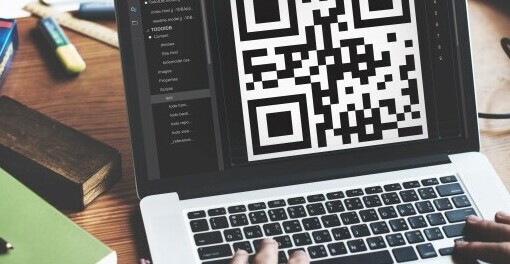
Code for Emergency Healthcare
In today’s digital world, technology can play an important role in saving lives. One inspiring idea is the use of QR codes for emergency healthcare. A QR code, or Quick Response code, is a square-shaped pattern that can be scanned using a smartphone to access information quickly. For a 15-year-old developer, creating a QR-code-based emergency healthcare system is an excellent example of how young people can use technology to solve real-world problems.
How Does the Idea Work?
Imagine a student meeting with an accident on the road. The person may be unconscious and unable to tell doctors their name, blood group, allergies or existing medical conditions. In such situations, getting essential information quickly can help medical professionals make better-informed decisions.
A young developer can create a system in which a QR code is linked to an emergency medical profile. The code could be printed on an identity card, attached to a school bag or displayed on a medical bracelet. When an authorised person scans it, a secure webpage can display essential emergency information.
The profile could contain the person's name, emergency contact numbers, known allergies, important medical conditions and other information the individual has chosen to share. It could also include instructions on whom to contact in an emergency.
One inspiring example of this innovation is Aanya Mansani, a 15-year-old developer from Texas, USA, who created a platform called Emergen. Her idea emerged after a friend fainted at school and people nearby did not know the friend's medical information or whom to contact. The experience made Aanya realise that quick access to essential health details could make a difference during an emergency.
Aanya developed a QR-code-based platform that allows people to access important medical details by scanning a code with a smartphone. It can be placed on a student's identity card, backpack or phone case. The system is designed to work without requiring the person scanning it to download an app or log in.
Emergen also focuses on privacy. Its approach allows bystanders to access essential emergency information, while more detailed medical information is intended for verified medical professionals. Another feature, masked calling, helps people contact emergency contacts without revealing their personal phone numbers.
Aanya refined her idea by seeking feedback from classmates, family members, teachers, a school nurse and an emergency medical services professional. Her work won the junior division grand prize at the 2026 Technovation World Summit.
Benefits and Challenges
QR-based emergency healthcare systems can help people with allergies, chronic conditions, disabilities and other medical needs. They may also help children and older adults who cannot always communicate their medical details.
However, these systems must protect sensitive health information. The profile should be kept updated, access should be carefully controlled, and users should understand what information becomes visible when the code is scanned. Internet access may also be necessary to open an online profile. A QR code is a support tool, not a substitute for calling emergency services or receiving professional medical care.
Conclusion
Aanya Mansani's work demonstrates that young people do not have to wait until adulthood to develop technology that serves society. By combining coding, creativity and empathy, a 15-year-old turned a frightening experience into a practical healthcare innovation.
Her story reminds us that meaningful inventions often begin with a simple question: How can we help someone when they need it most?
We wish her all the best.
By Jamuna Rangachari
Discussion (0)
No comments yet. Be the first to comment!
Leave a Comment
You need to login to post a comment.