Sasangasana (Rabbit Pose): Benefits
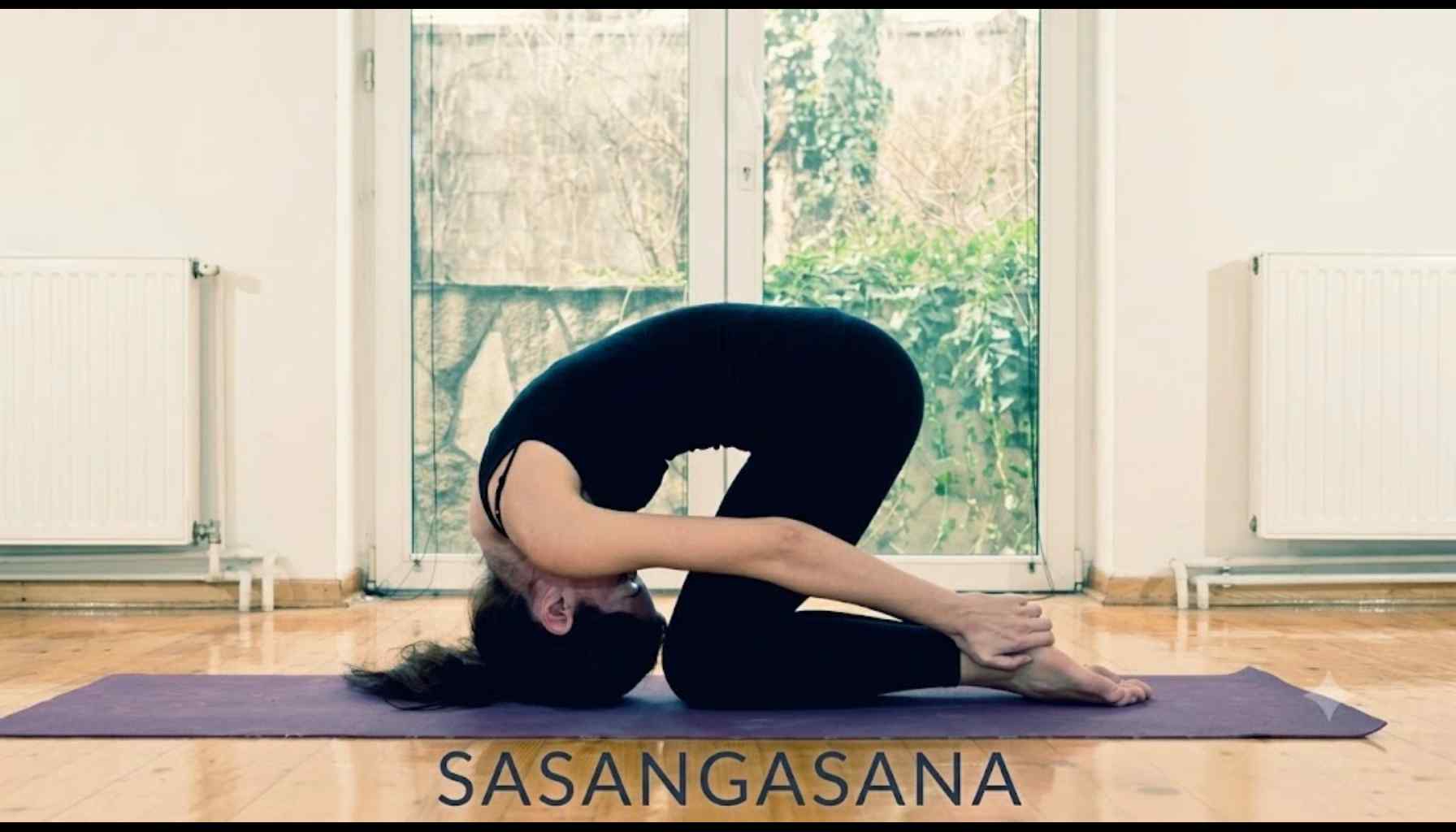
Sasangasana is a gentle-looking yet purposeful yoga posture commonly known as Rabbit Pose. It creates a rounded shape through the spine while placing the crown of the head on the floor and lifting the hips. The pose is traditionally practised as a forward bend and mild inversion, making it useful for people who want to work on spinal mobility, flexibility and mindful breathing.
The name comes from the Sanskrit word associated with a rabbit, reflecting the rounded shape Unlike more demanding inversions, Rabbit Pose does not require the practitioner to balance the entire body upside down. However, because the crown of the head and neck are involved, it should still be approached carefully and without forcing the body.
Key Takeaways
- Sasangasana is a forward-bending, mild-inversion posture that works with spinal mobility, shoulder flexibility and mindful breathing.
- Rabbit Pose may support relaxation and scalp circulation, but there is not enough evidence to claim that it directly promotes hair growth.
- Safety comes first: people with neck injuries, vertigo, glaucoma or uncontrolled high blood pressure should avoid the pose unless medically cleared.
What Is Sasangasana (Rabbit Pose)?
Sasangasana involves a deep rounding of the spine. Starting from a kneeling position, the practitioner holds the heels, brings the crown of the head toward the floor and gradually raises the hips. The position creates a controlled stretch through the spine, shoulders and arms.
The posture is often associated with a calming effect and may be incorporated toward the end of a yoga sequence. Some yoga traditions also use it as a preparatory posture for more advanced inversions.
How to Perform Sasangasana (Rabbit Pose)
Follow these steps slowly rather than trying to achieve the deepest version of the pose immediately:
1. Start on all fours: Sit back onto your heels with your knees wide apart. Bend back and grab your heels or ankles with both hands.
2. Round forward: While exhaling, bend forward and bring your forehead closer to your chest. Your head should be moving towards the floor between your legs.
3. Hips lifting: Keeping your hands in place on your heels, lift your hips slowly but with a rounded back.
4. Release: Breathe for 3-5 breaths with no additional strain on the neck or head. Lower down to the starting position.
Common Mistakes
- Avoid placing excessive weight on your neck.
- Do not force the spine into excessive rounding.
- Try to avoid holding your breath during the posture.
- Never pull your heels too forcefully.
Poses to Pair with Sasangasana
- Balasana: Practise before or after Sasangasana for relaxation.
- Ustrasana: Follow Camel Pose with Sasangasana for balance.
Benefits of Sasangasana for Body and Mind
Regular yoga practice can support flexibility, mobility and relaxation, and Sasangasana has several characteristics that make it a useful addition to an appropriate sequence.
|
|
|
|
|
|
|
|
|
|
|
|
|
|
|
|
|
|
|
|
|
Sasangasana and Hair Health
A contributing factor towards the popularity of Rabbit Pose lies in the notion of increased blood flow to the head. This is due to the fact that the head is in a lower position than the rest of the body when compared to regular poses where the body is upright.
It is important to note that increased blood flow in a pose does not mean that the pose will stimulate hair growth. Stress may be responsible for hair loss and thus yoga is an effective method for managing stress levels.
Precautions and Contraindications
Although Sasangasana is often described as accessible, it places pressure and movement demands on the neck and head. It is therefore important not to force the posture.
|
|
|
|
|
|
|
|
|
|
|
|
|
|
|
|
|
|
|
|
|
Final Thoughts
Sasangasana can be a calming and restorative yoga posture when practiced with proper alignment and controlled breathing. It gently stretches the back, shoulders, and spine while encouraging relaxation. Beginners should practice slowly and avoid forcing the neck or spine. Consistent practice can support flexibility, body awareness, and mindful movement.
Frequently Asked Questions
1. What are the benefits of Sasangasana?
Sasangasana can stretch the spine, shoulders and arms while encouraging controlled spinal movement. It may also promote relaxation and mental calm when practised with slow, comfortable breathing.
2. Is the Rabbit Pose good for hair growth?
Rabbit Pose should not be considered a proven hair-growth treatment. Its position may temporarily increase blood flow toward the head, and yoga may help manage stress, which can be relevant to some types of hair shedding.
3. What are the contraindications for doing Sasangasana?
Sasangasana should be avoided by people with neck injuries, vertigo, glaucoma or uncontrolled high blood pressure. People with back problems should also take particular care, especially when moving between Rabbit Pose and other demanding postures.
4. How long should you hold Sasangasana?
For beginners, a short, comfortable hold of around 3–5 breaths for beginners is recommended. You can gradually progress towards 5–8 breaths (about 20–30 seconds) if comfortable.
Also Read: Morning Yoga Routine
By Umesh Kumar Khiri
Discussion (0)
No comments yet. Be the first to comment!
Leave a Comment
You need to login to post a comment.