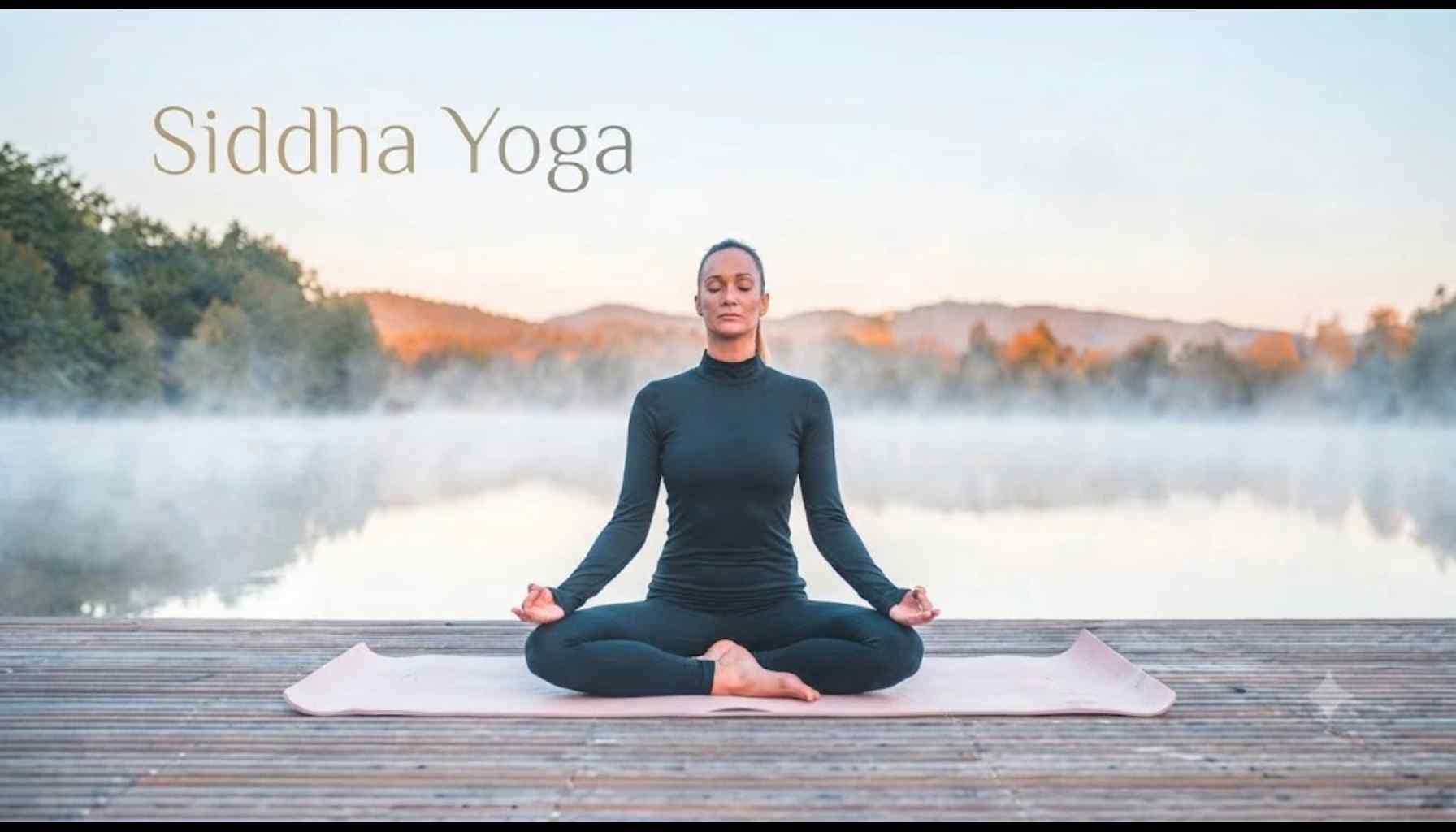
Siddha Yoga: Poses and Benefits
Siddha Yoga is a yoga tradition focused on meditation, mantra, self-awareness, and inner transformation. The current Siddha Yoga movement, founded by Swami Muktananda, focuses on meditation, singing, learning, service, and awareness of one’s inner soul.
The practice is different from simply performing Siddhasana, although Siddhasana, or Accomplished Pose, is an important meditative posture in many traditional yoga teachings. Siddha Yoga uses seated meditation along with mantras to encourage peace of mind and self-reflection.
Key Takeaways
- Siddha Yoga emphasizes meditation and inner awareness.
- Comfortable postures support steady meditation practice.
- Mantras encourage focus during spiritual practice.
What Is Siddha Yoga?
The word Siddha generally refers to an accomplished or perfected being in Indian spiritual traditions. Siddha Yoga is a distinct spiritual path and movement centered on self-realization through practices including meditation, chanting, contemplation, study, and selfless service.
Gurumayi Chidvilasananda is the current head of the Siddha Yoga lineage and guides students through its teachings and spiritual practices.
The practice may include:
- Meditation
- Mantra repetition
- Breath awareness
- Chanting
- Self-reflection
- Yogic discipline
- Spiritual study
Shaktipat: Shaktipat is defined as the spiritual initiation of Siddha Yoga that refers to the spiritual awakening of Kundalini Shakti by the grace of a Siddha Guru.
SYDA Foundation and Ashrams: The SYDA Foundation is responsible for preserving and distributing the Siddha Yoga teachings, having its main ashram facilities in Gurudev Siddha Peeth, Ganeshpuri, India and Siddha Yoga Ashram, South Fallsburg, New York.
Meditative Postures for Siddha Yoga
A comfortable seated position can make meditation easier by providing stability and an upright spine.
|
|
|
|
|
|
|
|
|
|
|
|
|
|
|
|
1. Siddhasana – Accomplished Pose
Siddhasana involves sitting upright, having the legs placed comfortably, having the hands placed on the knees, and breathing in a relaxed way. In general, Siddhasana is considered one of the important asanas used in meditation and pranayama.
2. Padmasana – Lotus Pose
Sit tall, place the feet on the opposite thighs if it is comfortable, and have the spine upright. Full lotus involves a great deal of flexibility in the hip joint. The beginners must not force their knees and ankles into position.
3. Bhadrasana – Gracious Pose
Sit with the soles of the feet together, hold the feet gently, and keep the spine comfortably lifted. Bhadrasana can provide a stable seated position while gently working the hips and inner thighs.
Counter Poses
After prolonged seated practice, Siddha Yoga benefits stiffness release.
1. Paschimottanasana – Seated Forward Bend
Extend your legs forward, elongate your spine, and fold softly from the hips without forcing your body downward. This asana can give you a nice stretch of your back body after meditation.
2. Savasana – Corpse Pose
Lie comfortably on your back, allow your whole body to relax, and breathe normally with your eyes closed. Savasana helps you relax and rejuvenate.
Siddha Yoga Mantras: Common Siddha Yoga mantras include: Om Namah Shivaya, Guru Om, and So'ham, with Om Namah Shivaya identified as a principal meditation mantra in the Siddha Yoga tradition.
Mantra repetition can be practised silently or aloud. Beginners can select one mantra and repeat it steadily while maintaining relaxed breathing.
Duration and Frequency: Practise for 10–20 minutes daily, five to seven days weekly, gradually increasing duration as comfortable. Regularly practising Siddha Yoga benefits everyone.
Siddha Yoga Benefits
Siddha Yoga primarily emphasizes mental and spiritual practices rather than physical fitness. Regular meditation and mindful practices may support relaxation, concentration, and self-awareness.
|
|
|
|
|
|
|
|
|
|
|
|
|
|
|
|
|
|
|
|
|
Precautions for Siddha Yoga
Siddha Yoga meditation is generally gentle, but seated postures can create discomfort when held incorrectly.
- Keep the spine upright without excessive stiffness.
- Never force the knees into Lotus or Siddhasana.
- Use a cushion to raise the hips when necessary.
- Change your leg position when sitting for longer periods.
- Avoid painful stretching around the hips or knees.
- People with recent injuries should seek appropriate professional guidance.
- Those with significant back, hip, knee, or spinal problems should modify seated postures.
- Stop if you experience sharp pain, numbness, dizziness, or unusual discomfort.
Common Mistakes During Siddha Yoga
|
|
|
|
|
|
|
|
|
|
|
|
|
|
|
|
|
|
|
|
|
Thoughtful Conclusion
Siddha Yoga combines meditation, mantra, self-discipline, and spiritual study to encourage greater inner awareness. Siddhasana, Padmasana, and Bhadrasana provide traditional seated options, while Paschimottanasana and Savasana can help release physical tension afterward. Beginners should prioritize comfort, natural breathing, and consistency instead of forcing advanced postures or expecting immediate spiritual experiences.
Frequently Asked Questions
1. What is the meaning of Siddha Yoga?
Siddha Yoga refers to a spiritual path focused on meditation, mantra, discipline, self-awareness, and inner transformation.
2. Who is the founder of Siddha Yoga?
The modern Siddha Yoga path is associated with Swami Muktananda, who developed and taught the tradition internationally.
3. Is Siddha Yoga good or bad?
Siddha Yoga can be a meaningful spiritual practice when approached safely, respectfully, and without treating it as a substitute for medical care.
4. What is the main Siddha Yoga mantra?
Om Namah Shivaya is regarded as the principal meditation mantra in the modern Siddha Yoga tradition.
Also Read: Prana Yoga
By Umesh Kumar Khiri
Discussion (0)
No comments yet. Be the first to comment!
Leave a Comment
You need to login to post a comment.