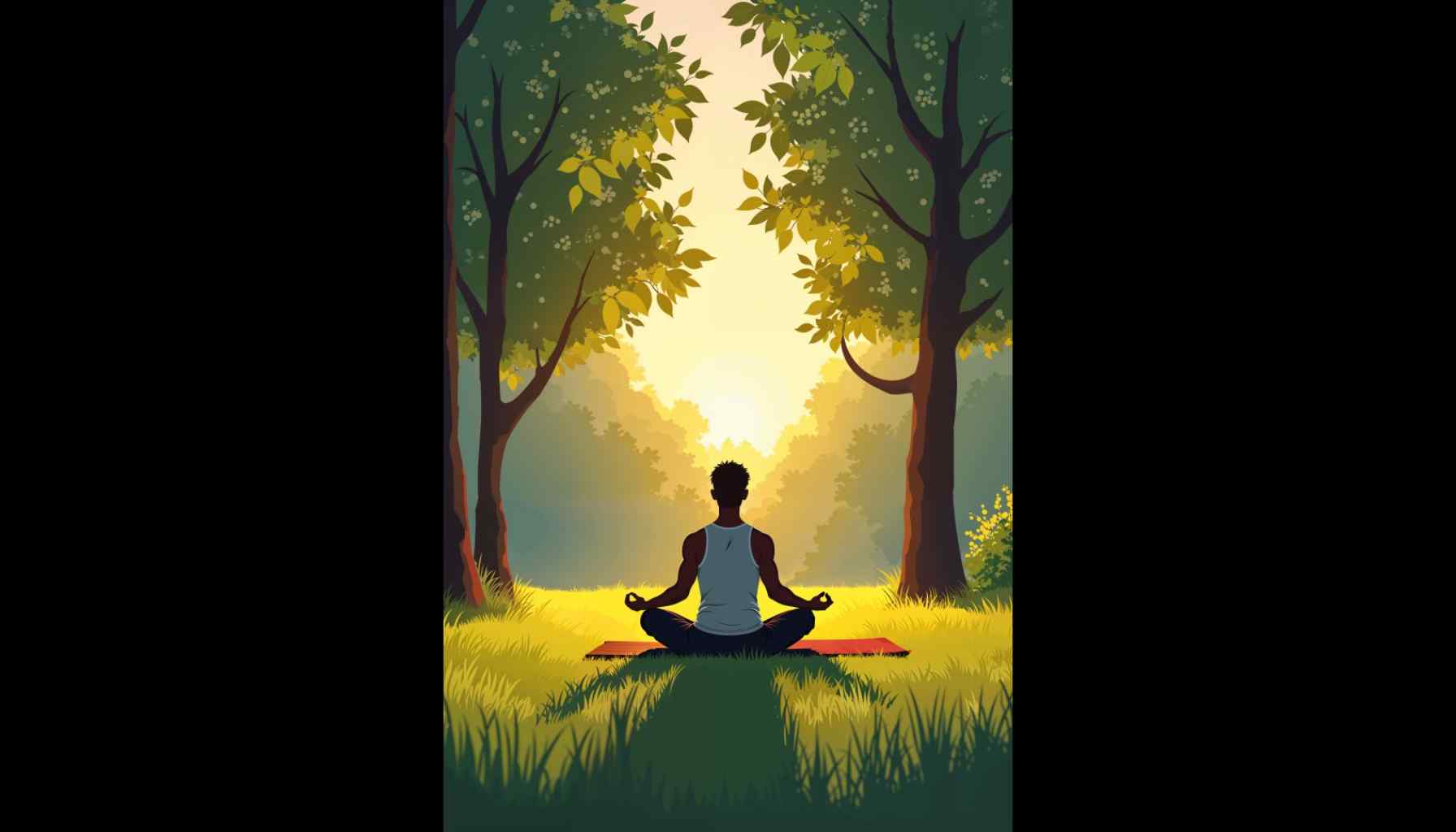
Silent Meditation: Benefits, Process, Methodology & Healthy Lifestyle
Introduction
In a world filled with constant notifications, conversations, responsibilities and sensory stimulation, silence can become a powerful space for reconnecting with oneself. Silent meditation is a quiet contemplative practice in which a person sits peacefully, becomes aware of the breath and observes thoughts, emotions and bodily sensations without immediately reacting to them. Unlike meditation practices that depend on chanting, music or guided instructions throughout the session, silent meditation allows attention to turn inward through stillness and awareness.
Silent meditation does not require complete absence of thoughts. The mind will naturally wander, remember events, plan the future or respond to emotions. The purpose is not to force the mind to become empty but to develop a calmer relationship with whatever arises.
When practised regularly and comfortably, meditation may support relaxation, attention, emotional awareness and mindfulness. It can become particularly meaningful when combined with healthy sleep, nutritious food, physical activity, meaningful relationships and sensible digital habits.
Silent Meditation
Silent meditation is a practice of cultivating awareness in quietness. The practitioner generally sits comfortably, closes or softens the eyes and brings attention to an object such as the natural breath. Thoughts and sensations are allowed to arise and pass without being deliberately followed.
The practice can be secular or connected with a spiritual tradition. Some people use it for mindfulness and relaxation, while others approach silence as a way of self-reflection, contemplation or spiritual inquiry.
There is no single correct way to meditate. What matters is developing a gentle, sustainable practice rather than trying to achieve a particular experience.
Understanding Silent Meditation
Stillness, Silence and Present-Moment Awareness
Stillness provides an opportunity to step away from external stimulation and notice the present moment. During meditation, silence does not necessarily mean that there are no sounds. Birds, traffic, household noises and other sounds may still be present.
Instead, silence refers largely to reducing deliberate mental and verbal activity and becoming more observant.
Present-moment awareness means noticing what is happening now rather than becoming completely absorbed in memories or future worries. Even a few minutes of quiet attention can create a useful pause between an experience and our response to it.
Breath and Attention
The breath is a convenient meditation anchor because it is always available. There is no need to control or deepen it artificially. Simply noticing inhalation and exhalation can provide the mind with a stable point of attention.
A practitioner might observe the movement of the abdomen, the sensation of air around the nostrils or the gentle expansion and contraction of the chest. Whenever attention moves elsewhere, awareness can return to breathing.
Observing Thoughts Without Judgment
Thoughts are a natural part of meditation. A person may think about work, family, memories, plans or unfinished tasks. Trying to suppress every thought can create additional tension.
Instead, thoughts can be noticed as mental events. One might silently acknowledge, "thinking," and gently return attention to the breath.
This approach encourages observation rather than immediate reaction. Over time, practitioners may become more aware of habitual thought patterns and emotional responses.
Silent Meditation Methodology
Choosing a Quiet Practice Space
Select a reasonably quiet, comfortable place where interruptions are unlikely. It could be a corner of a bedroom, a balcony, a peaceful room or a dedicated meditation area.
The space does not need to be elaborate. A cushion, chair or yoga mat is usually sufficient. Keeping the environment uncluttered may make it easier to associate the space with quiet practice.
Establishing a Comfortable Posture
Sit in a posture that allows both comfort and alertness. You can sit cross-legged on the floor, on a meditation cushion or on a chair with the feet resting comfortably on the ground.
Keep the spine naturally upright without making the body rigid. Relax the shoulders, soften the facial muscles and allow the hands to rest comfortably.
Lying down can also be used for certain mindfulness practices, although sitting may make it easier to remain alert.
Using the Breath as an Anchor
Once settled, bring gentle attention to breathing. Notice the beginning, middle and end of each inhalation and exhalation.
There is no need to manipulate the breath unless a particular meditation technique specifically calls for it. Natural breathing allows the practice to remain simple.
Developing Focus and Awareness
Meditation involves both concentration and awareness. Concentration helps maintain attention on the chosen anchor, while awareness allows other experiences to be noticed without becoming completely absorbed in them.
The aim is not perfect concentration. Each moment of noticing distraction and returning to the present is itself part of meditation.
Returning Attention When the Mind Wanders
Mind wandering is normal. Rather than becoming frustrated, notice that attention has moved away and gently bring it back.
This repeated return is one of the central movements of meditation. It develops patience and helps cultivate a less reactive relationship with distraction.
The Silent Meditation Process
Preparing the Body and Mind
Before beginning, switch off unnecessary notifications and allow a few moments to settle. Take a comfortable position and notice how the body feels.
There is no need to rush into meditation immediately after a busy activity. A short transition period can help the mind shift from activity towards quiet observation.
Settling Into Stillness
Close the eyes if comfortable or keep them softly lowered. Feel the contact between the body and the chair, cushion or floor.
Notice the weight of the body and the natural rhythm of breathing. Gradually allow unnecessary muscular tension to soften.
Observing Breath, Thoughts and Sensations
Bring attention to the breath. Then notice other experiences that arise, such as sounds, bodily sensations, emotions or thoughts.
There is no need to analyse every experience. Simply notice it and allow it to change naturally.
Maintaining Gentle Awareness
Meditation works best when awareness is gentle rather than forceful. If concentration becomes tense, soften the effort.
A useful attitude is one of curiosity: "What is happening right now?" rather than "Why can't I stop thinking?"
Closing the Practice With Reflection
At the end, do not immediately jump into another activity. Spend a few moments noticing how the body and mind feel.
Take one or two comfortable breaths, slowly open the eyes and transition gradually into the next activity.
A short reflection can help: What did I notice? Was I restless, calm, distracted or tired? There is no need to judge the session as successful or unsuccessful.
Potential Benefits of Silent Meditation
Relaxation and Stress Management
Quiet meditation can provide a deliberate pause from continuous activity. Focusing on breathing and present-moment experience may help some people relax and manage everyday stress.
Meditation should be viewed as one component of stress management rather than a replacement for addressing significant sources of stress or obtaining professional support when needed.
Improved Attention and Mental Clarity
Regular attention training may help practitioners become more aware of distraction. This can be useful when performing everyday activities that require sustained attention.
The simple habit of noticing distraction and returning to the chosen focus can also encourage greater mental discipline.
Greater Emotional Awareness
Silent meditation can help people notice emotions as they arise. Instead of immediately reacting to irritation, worry or sadness, a practitioner may learn to pause and observe the experience.
This does not mean avoiding emotions. Rather, awareness can create space for responding more thoughtfully.
Self-Reflection and Mindfulness
Silence can reveal patterns that are easily overlooked during a busy day. People may become more aware of recurring thoughts, habits and reactions.
Mindfulness involves bringing attention to present experience with openness and reduced judgment. Silent meditation can provide structured time for developing this quality.
Overall Mind-Body Well-Being
Meditation can complement a broader healthy lifestyle. Its value is often greatest when it is integrated with adequate sleep, movement, balanced nutrition, meaningful relationships and appropriate healthcare.
Silent Meditation for Everyday Wellness
Morning Meditation
Morning can be a convenient time for meditation because there may be fewer distractions. Even five to ten minutes can create a quiet transition into the day.
After waking, sit comfortably, observe breathing and allow the mind to settle before beginning daily responsibilities.
Midday Mental Reset
A short midday meditation can provide a pause between different activities. Two to five minutes of quiet breathing may be enough to interrupt a hectic routine.
This can be especially useful before an important meeting, after demanding work or during a busy household schedule.
Evening Relaxation
An evening meditation can help create a transition between daytime activity and rest. Sitting quietly before bedtime may encourage a slower pace.
However, if sitting meditation makes someone more alert, it may be preferable to practise earlier in the evening.
Meditation During Periods of Stress
During stressful periods, meditation should remain gentle. There is no need to force prolonged sessions.
A few minutes of observing the breath, feeling the feet on the ground and noticing bodily sensations can provide a moment of grounding. People experiencing persistent or severe distress should seek appropriate professional support.
Lifestyle Habits That Complement Meditation
Quality Sleep and Recovery
Sleep is essential for physical and mental well-being. A regular sleep schedule, a comfortable sleep environment and reduced stimulation before bedtime can support recovery.
Meditation works best as part of a healthy sleep routine rather than as a substitute for adequate sleep.
Mindful Eating and Balanced Nutrition
Eating mindfully involves paying attention to hunger, fullness, flavours and the experience of eating rather than always eating while distracted.
A balanced diet containing a variety of vegetables, fruits, whole grains, legumes, appropriate protein sources and healthy fats can complement an overall wellness routine.
Regular Movement and Yoga
Walking, stretching, yoga, strength exercises or other enjoyable forms of physical activity can complement meditation.
Movement helps maintain physical fitness while meditation provides an opportunity for mental stillness. Together, they can support a more holistic approach to well-being.
Healthy Digital Boundaries
Constant digital stimulation can make quietness difficult. Consider creating periods when phones and unnecessary notifications are switched off.
Avoiding screens immediately before meditation can make the transition into silence easier.
Meaningful Social Connection
Meditation should not become a reason to withdraw from healthy relationships. Family, friends, community activities and meaningful conversations are important aspects of emotional well-being.
A balanced lifestyle includes both nourishing solitude and meaningful connection.
Building a Sustainable Silent Meditation Routine
Starting With Short Sessions
Beginners can start with five minutes. There is no need to sit for 30 or 60 minutes immediately.
A short practice that is repeated consistently is often easier to sustain than an ambitious routine that quickly becomes burdensome.
Practicing Consistently
Choose a realistic time of day and associate meditation with an existing habit, such as after waking or before an evening shower.
Consistency matters more than perfection. Missing a day does not mean the routine has failed.
Gradually Increasing Practice Time
Once five or ten minutes feels comfortable, the duration can gradually increase. Some people may eventually prefer 15, 20 or 30 minutes.
The appropriate duration depends on the individual's needs, comfort and experience.
Creating a Dedicated Meditation Space
A small dedicated space can serve as a visual reminder to practise. A cushion, chair, mat or simple peaceful corner is enough.
The objective is not to create a perfect environment but to make meditation easy to begin.
Making Silence Part of Everyday Life
Quiet Time Without Digital Distractions
Silence does not have to be restricted to formal meditation. Spending a few minutes without a phone, television or unnecessary conversation can create opportunities for mental rest.
Even drinking tea quietly or sitting near a window can become an exercise in present-moment awareness.
Mindful Walking and Daily Activities
Walking can become a moving meditation. Notice the movement of the feet, breathing, surroundings and sensations in the body.
Similarly, washing dishes, gardening, bathing or eating can become mindful activities when performed with full attention.
Journaling and Personal Reflection
Writing after meditation can help capture thoughts and observations. A simple journal entry might include how the body felt, what emotions appeared and what thoughts repeatedly surfaced.
Journaling is not necessary for meditation but can support self-reflection.
Periodic Digital and Sensory Breaks
Occasional breaks from constant media consumption can create more space for silence. This might involve spending part of an evening without social media or taking a quiet walk without listening to audio.
These small periods of reduced stimulation can make everyday life feel less continuously demanding.
Choosing Guidance for Silent Meditation
Learning From Qualified Teachers
Beginners may benefit from learning meditation from a teacher who has appropriate training and understands different meditation methods.
A qualified teacher can explain posture, attention, common challenges and ways to adapt practice.
Guided Practice Before Independent Meditation
Although silent meditation is ultimately an independent practice, guided sessions can help beginners understand the basics.
Once the technique becomes familiar, the person can gradually reduce external instructions and practise independently.
Meditation Groups and Retreats
Meditation groups can provide structure and community. Retreats may offer longer periods of silence and dedicated practice.
However, intensive retreats are not necessary for everyone. Beginners should choose settings appropriate to their experience, comfort and personal circumstances.
Safety and Practical Considerations
Practicing Without Excessive Effort
Meditation should not become another performance goal. Sitting rigidly, forcing concentration or trying desperately to eliminate thoughts can create unnecessary tension.
Comfortable posture, relaxed breathing and gentle attention are generally more sustainable.
Responding Gently to Difficult Thoughts or Emotions
Silence can sometimes bring uncomfortable memories, anxiety or emotions into awareness. If this happens, reduce the intensity or duration of practice.
Grounding through ordinary activities, gentle movement or talking with a trusted person may help. Meditation does not require a person to confront difficult experiences alone.
Adapting Practice to Individual Needs
Meditation can be practised while sitting on a chair, using a cushion or through mindful walking. People with physical limitations can adapt posture and duration.
The practice should respect individual comfort rather than following a rigid ideal.
Seeking Professional Support for Persistent Distress
Meditation is a complementary wellness practice and should not replace appropriate medical or mental-health care.
If someone experiences persistent anxiety, depression, trauma-related symptoms, severe distress or significant disruption to daily life, professional support is appropriate. Meditation can be included alongside care when suitable.
Frequently Asked Questions
Silent Meditation for Beginners
Beginners can start by sitting comfortably for five minutes and observing natural breathing. When thoughts arise, simply notice them and return attention to the breath.
There is no need to empty the mind. The repeated process of noticing and returning is the practice.
Recommended Meditation Duration
There is no universal duration suitable for everyone. Five to ten minutes can be a practical starting point. With experience, some people may comfortably practise for 15 to 30 minutes or longer.
Regularity and comfort are more important than achieving a particular duration.
Silent Meditation and Stress Management
Silent meditation may provide a structured pause from everyday demands and help cultivate present-moment awareness. It can be one useful component of a broader stress-management plan that includes sleep, exercise, healthy relationships, relaxation and professional care when required.
Building a Daily Meditation Practice
Start small, select a consistent time and make the practice easy to begin. Keeping the meditation space ready can reduce barriers.
If a session is missed, simply resume the next day. Sustainable practice develops through patience rather than perfection.
Building a Calmer Lifestyle Through Silent Meditation
Silent meditation is ultimately less about escaping everyday life and more about developing a different way of meeting it. A few quiet minutes can create an opportunity to notice breathing, thoughts, emotions and bodily sensations without immediately reacting to them.
The practice becomes even more meaningful when silence extends beyond the meditation cushion into everyday activities. Mindful eating, conscious walking, digital boundaries, adequate sleep, regular movement and meaningful relationships can all reinforce a calmer way of living.
There is no requirement to become completely thought-free or perfectly peaceful. The mind will wander, emotions will change and some meditation sessions will feel easier than others. The essential practice is to notice what is happening, respond with kindness and gently return to the present.
With patience and consistency, silent meditation can become a simple daily ritual—a small island of quiet in a busy world. Rather than seeking a perfect state of mind, the practitioner learns to cultivate awareness, acceptance and greater connection with the present moment. In this way, silence can become not merely a meditation technique but a supportive part of a balanced and mindful lifestyle.
We wish you all the best in your silent meditation journey.
By Jamuna Rangachari

Discussion (0)
No comments yet. Be the first to comment!
Leave a Comment
You need to login to post a comment.