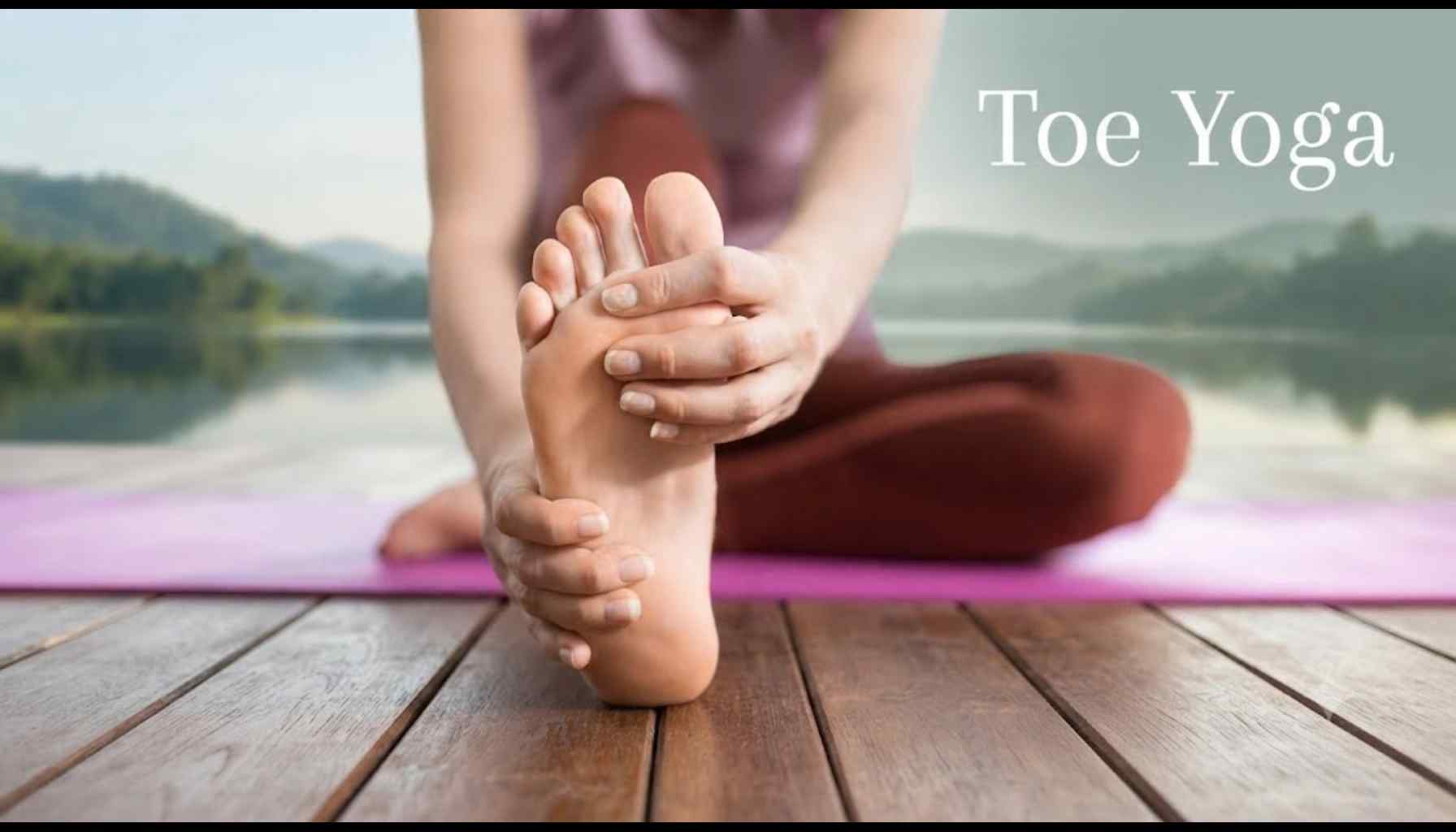
Toe Yoga: 7 Easy Exercises
Toe yoga is a simple set of toe and foot exercises that wake up the small muscles most of us never use, because shoes keep them cramped all day. You need no equipment, only a few minutes and bare feet. This guide covers what toe yoga does, seven exercises, a short routine and when to be careful.
Key Takeaways
- Toe Yoga improves control, strength and flexibility of the toes and arch.
- Two or three exercises practiced regularly are better than one long and hurried practice.
- Take care not to hurt yourself; if you have any injuries, consult your podiatrist before doing Toe Yoga exercises.
What Is Toe Yoga, and Why Does It Matter?
Your toes help you balance, push off when you walk and absorb shock with each step. When they stay squeezed in narrow shoes, they can stiffen and weaken, and the arch loses support. Toe yoga counters that by training each toe to move on its own, especially the big toe, which does much of the work in walking.
Benefits of Toe Yoga
- Increases mobility of the toes
- Enhances strength in the arch and inner muscles of the foot
- May improve balance and gait
- Reduces foot stiffness resulting from wearing shoes all day
- Increased body awareness regarding posture and movement
- Can be performed anywhere without requiring any equipment
7 Toe Yoga Exercises to Try
Practise barefoot on a firm surface. Move slowly and stop if you feel sharp pain or cramping.
1. Toe Spreads
Sit with your legs straight and flat on the ground. Spread your toes as far apart as possible without curling them. Keep in that position for five seconds and repeat the procedure five times for each foot. If you cannot spread your toes by yourself, use your fingers for assistance.
2. Piano Toes
Raise all your toes together and release them one by one from the little toe to the big toe just as you do when playing the piano. Repeat the procedure five times per foot.
3. Big Toe Lift
While standing or sitting with your feet on the floor and the toes flat on the ground, raise your big toe without moving the other four toes. Try to lift and lower your big toe ten times.
4. Big Toe Press
Opposite procedure. Raise your other toes and keep your big toe pressed to the floor. Repeat ten times.
5. Toe Pinches
Squeeze all your toes together as if making a fist with your foot. Hold for five seconds, release and repeat five times. This activates the muscles that support the arch.
6. Towel Scrunch
Sit with your foot on a small towel. Curl your toes to draw the towel toward you, then smooth it out and repeat. Do three rounds per foot to build gripping strength.
7. Heel-and-Toe Rocker
Stand tall with feet hip-width apart. Rise onto your toes, lower, then lift your toes and forefoot so you balance briefly on your heels. Rock smoothly between the two for ten rounds. This mobilizes the ankle and the whole foot.
A Simple 5-Minute Routine
- Minute 1: Toe spreads on both feet
- Minutes 2–3: Piano toes and big toe lifts
- Minute 4: Toe pinches and towel scrunch
- Minute 5: Heel-and-toe rocker, then shake out your feet
Aim for four to five days a week. Evenings work well, since your feet are tired and ready to release. As moves feel easier, add a few repetitions or hold each one a little longer.
Common Mistakes to Avoid
- Scrunching during spreads. If your toes curl under, reduce the effort and use your fingers to help.
- Rushing. Fast, sloppy reps train nothing. Slow control is the point.
- Doing everything at once. Pick two or three exercises and master them first.
- Pushing through pain. Stretching should feel mild and never sharp.
- Ignoring footwear. Shoes with a roomy toe box make it easier for your toes to keep what you've gained.
Shoes for Toe Pain: You can wear shoes that are wide at the toe box area, have adequate arch support, and cushioning in the soles or consult a foot doctor who will prescribe you custom orthotic inserts or toe spacers.
Who Should Check With a Professional First
Consult a podiatrist or a physical therapist prior to beginning if you suffer from an injury, plantar fasciitis, a bone injury, nerve pain, numbness, diabetes-associated problems in the lower extremities or recent surgery. Overstretching may cause some health issues to worsen, and thus a specialist will adjust your routine.
Final Thoughts
Toe yoga is quick, free and gentle, which makes it easy to build into your day. Start with a few exercises, move slowly and stay pain-free. Over time, you may find your feet feel stronger and more flexible. Improve your feet structure by practising toe yoga regularly. \
Frequently Asked Questions
1. What is toe yoga good for?
It helps build toe strength, mobility and control, and it may support balance and relieve foot tightness. It works best as part of general foot care and comfortable footwear.
2. How often should I do toe yoga?
A few minutes, four to five days a week, is plenty for most people. Daily practice is fine if you feel no soreness or pain.
3. Can toe yoga help with bunions?
It may improve toe control and foot strength, and wide-toed shoes can help. It won't reverse a bunion's bone shape, so speak with a podiatrist about your options.
4. How long does toe yoga take to work?
Many people notice better toe control within two to three weeks. Strength and balance changes usually take longer, so be patient and consistent.
Also Read: Aerial Yoga
By Umesh Kumar Khiri


Discussion (0)
No comments yet. Be the first to comment!
Leave a Comment
You need to login to post a comment.