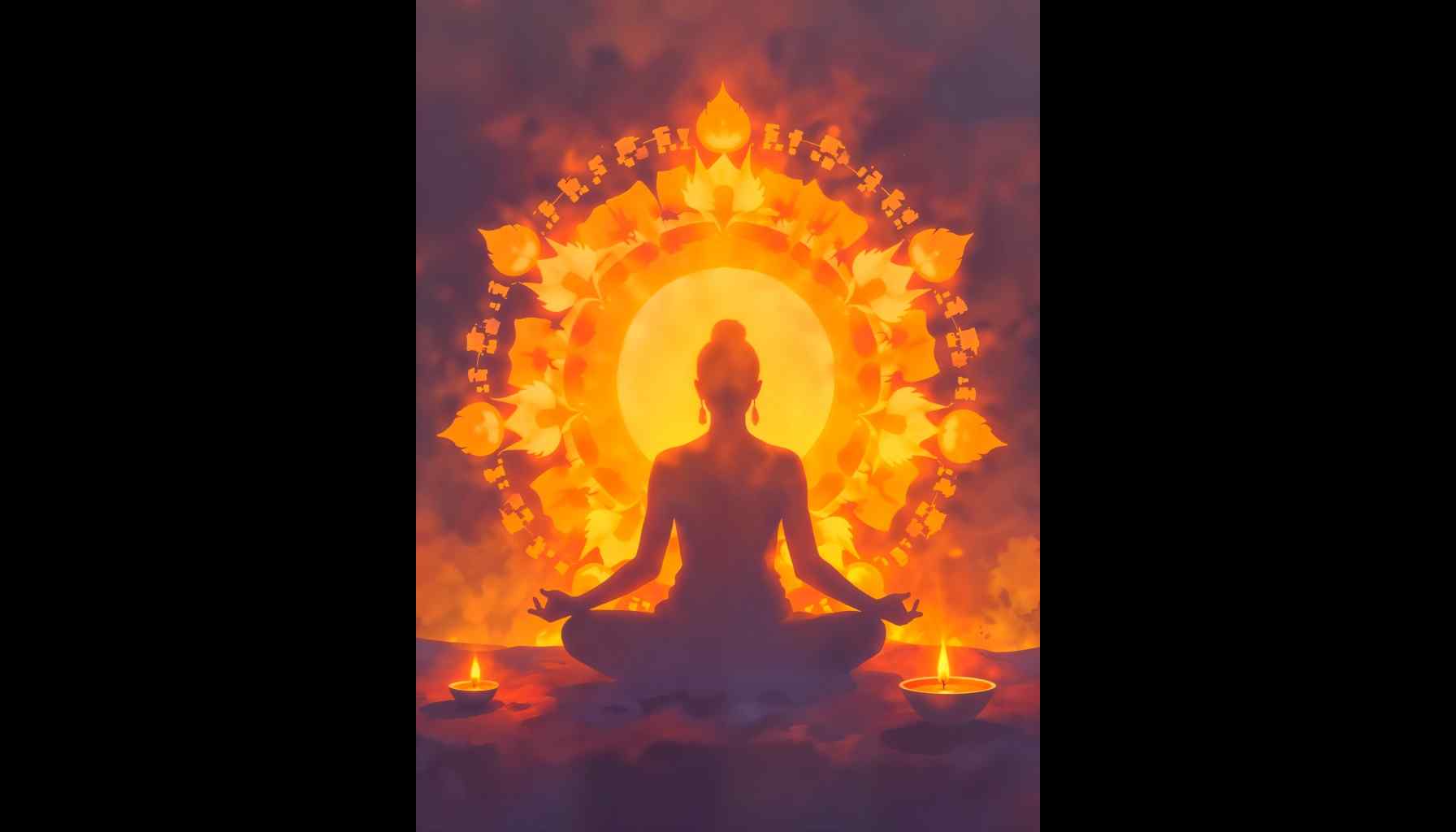
Vipassana Meditation: Process, Methodology, Benefits & Lifestyle
Introduction
Vipassana is a traditional Buddhist meditation practice centered on mindfulness, observation and insight. The word Vipassana is commonly translated as “clear seeing” or “insight.” Rather than trying to suppress thoughts or create a particular mental state, the practice encourages a person to observe experience as it arises and passes away. This may include observing the natural breath, bodily sensations, thoughts and emotions with increasing awareness and equanimity.
A central principle of Vipassana is learning to observe without immediately reacting. Pleasant sensations may arise, as may unpleasant or neutral ones. Through steady observation, practitioners learn to notice their changing nature instead of automatically grasping at pleasant experiences or resisting uncomfortable ones.
Vipassana can become more than a meditation session. Its principles can encourage greater patience, self-awareness, emotional balance and mindfulness in everyday life. However, meditation is not a substitute for medical or mental-health treatment when professional care is needed. A gradual, appropriate practice is generally more sustainable than forcing long sessions or expecting immediate results.
Vipassana Meditation
Vipassana meditation involves training attention to observe present-moment experience with clarity and non-reactivity. Different Buddhist traditions and modern teaching systems present Vipassana in somewhat different ways, but mindfulness, concentration, observation and insight are important themes.
The practitioner generally begins by stabilising attention, often through awareness of natural breathing. As concentration develops, attention can be broadened to bodily sensations and other aspects of experience. Instead of judging sensations as good or bad, the practitioner observes them carefully.
The purpose is not simply relaxation. Relaxation may occur, but Vipassana traditionally aims at deeper understanding of how experiences arise, change and disappear. With practice, one may become more aware of habitual reactions and develop greater equanimity.
Understanding the Foundations of Vipassana
Mindfulness and Present-Moment Awareness
Mindfulness means paying attention to what is happening in the present rather than becoming completely absorbed in memories, worries or imagined future events.
During meditation, this may involve noticing the breath, physical sensations, thoughts or emotions. When the mind wanders, the practitioner gently recognises the distraction and returns attention to the chosen object of awareness.
This process is simple but requires repetition. Every return to the present moment becomes an opportunity to strengthen awareness.
Observation Without Reaction
Vipassana emphasises observing experience rather than immediately reacting to it. For example, an uncomfortable sensation during meditation may trigger an urge to move. Instead of automatically responding, the practitioner may first observe the sensation and the accompanying impulse.
This does not mean ignoring genuine physical discomfort or forcing the body to remain still. Rather, it means developing a small space between experiencing something and reacting to it.
The same principle can gradually be applied outside meditation. A difficult conversation, criticism or stressful situation can become an opportunity to pause, observe and respond thoughtfully.
Impermanence and Equanimity
Impermanence, or the changing nature of experience, is an important foundation of traditional Vipassana practice. Sensations, thoughts, emotions and circumstances continuously change.
Equanimity means maintaining a balanced attitude toward these changing experiences. Pleasant experiences need not be grasped desperately, while unpleasant experiences need not automatically be resisted.
Recognising change can encourage a more flexible relationship with everyday life. Instead of expecting every experience to remain stable, a practitioner learns to observe its changing character.
Vipassana Meditation Methodology
Establishing Breath Awareness
A beginner can start by sitting comfortably and bringing attention to natural breathing. There is no need to force the breath to become deep or slow.
Notice the physical experience of inhaling and exhaling. The movement of the abdomen, chest or sensation of air around the nostrils may become an anchor for attention.
When thoughts arise, acknowledge them and gently return to the breath.
Developing Concentration and Attention
Concentration develops through repeated practice. The mind will wander, sometimes frequently. This is normal.
Instead of becoming frustrated, notice that attention has wandered and bring it back. Each return is part of the training.
Over time, attention may become steadier, allowing the practitioner to observe subtle experiences with greater clarity.
Systematic Body and Sensation Awareness
In many Vipassana approaches, practitioners gradually observe sensations throughout the body. Attention may move systematically from one region to another, noticing sensations such as warmth, pressure, tingling, heaviness, lightness or movement.
The objective is observation rather than creating a particular sensation.
Observing Sensations With Equanimity
The practitioner learns to observe sensations without immediately labelling them desirable or undesirable.
A pleasant sensation may arise and disappear. An unpleasant sensation may also change. Through repeated observation, the practitioner develops greater tolerance for the changing nature of experience.
This can support the broader skill of responding rather than reacting.
The Vipassana Meditation Process
Preparing the Body and Practice Space
Choose a reasonably quiet and comfortable place. Sit on a cushion, chair or meditation bench, depending on individual needs.
Keep the spine comfortably upright without creating unnecessary tension. Loose, comfortable clothing can make longer sessions easier.
A consistent location can also help establish a meditation habit.
Settling Attention on Natural Breathing
Begin by noticing the natural rhythm of breathing. Allow the breath to remain normal.
Observe each inhalation and exhalation. When thoughts arise, recognise them without criticism and return attention to breathing.
Spend several minutes developing this stable foundation.
Progressing to Body-Sensation Observation
Once attention is reasonably settled, awareness may gradually include bodily sensations.
Depending on the tradition being followed, attention may move systematically through different parts of the body. Observe whatever sensations are present rather than searching for unusual experiences.
Noticing Sensations Without Attachment or Aversion
Observe sensations with patience. Pleasant sensations can be noticed without trying to hold on to them. Unpleasant sensations can be observed without immediately developing fear or resistance.
If a sensation becomes genuinely painful or creates physical risk, adjust the posture appropriately. Equanimity does not mean ignoring the body's legitimate needs.
Closing the Practice With Awareness
At the end of meditation, take a few moments to notice the body, breathing and surrounding environment.
Avoid immediately rushing into another activity. Allow the transition to be gradual.
Some traditions also include practices of goodwill or compassion at the end of meditation. This can provide a gentle transition from individual practice to everyday interaction.
Potential Benefits of Vipassana Meditation
Stress Management and Relaxation
Meditation may support stress management by creating a period of intentional stillness and awareness. Focusing on present experience can interrupt habitual cycles of rumination and automatic reaction.
Relaxation may occur, although relaxation should not be treated as the only purpose of Vipassana.
Greater Self-Awareness
Regular observation can help people notice recurring thoughts, emotional patterns, physical responses and habitual reactions.
For example, a person may recognise that criticism quickly produces tension or that uncertainty creates repetitive worrying. Awareness of these patterns can create opportunities for more deliberate responses.
Improved Attention and Mental Clarity
Meditation requires repeatedly bringing attention back to the present. This practice can strengthen attentional awareness and reduce the tendency to become completely absorbed in distractions.
Greater awareness may also help a person notice when the mind is becoming overwhelmed and take an appropriate pause.
Emotional Regulation and Equanimity
Vipassana encourages observation of emotions without immediately acting on them. A strong emotion can be recognised as an experience that changes over time.
This does not mean suppressing emotions. Instead, the practitioner learns to acknowledge feelings while creating space for thoughtful action.
Mindful Responses to Everyday Experiences
The principles learned during meditation can be applied to ordinary situations. Waiting in a queue, listening to another person, eating a meal or dealing with an unexpected problem can become opportunities for awareness.
The practice therefore becomes less about sitting perfectly still and more about changing one's relationship with experience.
Vipassana as a Daily Lifestyle Practice
Establishing Regular Meditation Time
Consistency is generally more useful than occasional extreme effort. Beginners can start with a manageable period and gradually increase it if appropriate.
A fixed time in the morning or evening may make meditation easier to maintain.
Bringing Awareness Into Daily Activities
Mindfulness can be incorporated into walking, bathing, cooking, cleaning and conversations.
While walking, notice movement and contact with the ground. While eating, notice taste, texture and the body's signals of hunger and fullness.
Mindful Eating and Everyday Choices
Mindful eating involves slowing down enough to notice food, hunger, satiety and emotional impulses around eating.
It can encourage greater appreciation of meals and reduce automatic eating while distracted by screens or other activities.
Developing Patience and Non-Reactivity
Everyday frustrations provide opportunities to practise non-reactivity.
Before responding to an irritating message or difficult comment, pause and notice breathing and bodily sensations. This brief pause can create room for a more considered response.
Lifestyle Habits That Complement Vipassana
Consistent Sleep and Rest
Adequate sleep supports attention, emotional balance and overall well-being. Meditation should complement healthy sleep rather than become a reason to sacrifice necessary rest.
Regular Physical Movement and Yoga
Walking, stretching, yoga and other appropriate forms of physical activity can complement a meditation routine.
Gentle movement may also make sitting more comfortable by supporting mobility and body awareness.
Balanced Nutrition and Hydration
A varied, balanced diet and adequate hydration support general health. There is no single diet that is universally required for Vipassana.
Instead, individuals can focus on nourishing foods, moderation and eating patterns appropriate to their personal health needs.
Healthy Digital Boundaries
Constant notifications and digital stimulation can make sustained attention more difficult.
Creating periods without unnecessary notifications, social media or entertainment can provide useful space for reflection and meditation.
Meaningful Social Connection
Meditation does not require withdrawal from relationships. Supportive relationships, compassionate communication and meaningful social interaction can complement an inner practice.
Mindfulness can be particularly valuable during conversations because it encourages listening before reacting.
Building a Sustainable Vipassana Practice
Starting With Appropriate Practice Sessions
Beginners should choose a practice duration that is realistic. Ten or fifteen minutes of consistent meditation may be more sustainable than attempting very long sessions immediately.
Comfort and regularity should take priority over achievement.
Maintaining Consistency
A meditation calendar or simple daily reminder can help establish a routine.
Missing a session does not mean the practice has failed. Simply return to the routine at the next suitable opportunity.
Creating a Quiet Practice Environment
A clean, reasonably quiet space can help reduce distractions. A meditation cushion, chair or other supportive arrangement can make the practice more comfortable.
The environment does not need to be elaborate.
Gradually Deepening Awareness
As practice develops, practitioners may become more attentive to subtle sensations, thoughts and emotional reactions.
Depth should be approached gradually. Meditation is a skill developed through patient observation rather than a performance that needs to be perfected.
Vipassana Courses and Meditation Guidance
Learning From Experienced Teachers
A qualified and experienced teacher can explain meditation instructions, answer questions and help practitioners understand common difficulties.
Because different Vipassana traditions use different methods, beginners should understand the specific approach being taught.
Structured Meditation Courses and Retreats
Residential and non-residential courses can provide structured periods of practice. Traditional retreats may involve extended meditation, silence, specific schedules and close adherence to established instructions.
Such courses can be intensive, so individuals should consider their personal circumstances before participating.
Following Established Practice Instructions
Once a person chooses a particular Vipassana method, following its instructions consistently can make the practice easier to understand.
Mixing many techniques without understanding their purposes can sometimes create confusion for beginners.
Continuing Practice After a Retreat
The value of a retreat can be supported by maintaining an everyday practice afterward.
Rather than trying to reproduce an intensive retreat schedule indefinitely, practitioners can establish a realistic routine that fits work, family responsibilities and other commitments.
Safety and Practical Considerations
Practicing Without Excessive Strain
Meditation should not become a competition. Excessive effort, uncomfortable postures or prolonged sitting despite significant pain can undermine a sustainable practice.
Use an appropriate chair or support when necessary.
Responding Gently to Difficult Emotions
Meditation can sometimes bring increased awareness of uncomfortable thoughts, memories or emotions.
Rather than forcing oneself to confront overwhelming material, reduce the intensity of practice if needed and seek appropriate support.
Adapting Practice to Individual Needs
People differ in physical abilities, schedules, experience and emotional needs. Meditation instructions may therefore need reasonable adaptation.
Individuals with particular health or mental-health concerns can discuss meditation practices with an appropriate healthcare professional.
Seeking Professional Support for Persistent Distress
Meditation should not replace professional treatment for persistent anxiety, depression, trauma-related symptoms or other significant psychological difficulties.
If meditation consistently increases distress, causes substantial disruption or feels overwhelming, pause the practice and seek guidance from a qualified professional.
Frequently Asked Questions
Vipassana Meditation for Beginners
Can beginners practise Vipassana?
Yes. Beginners can learn basic mindfulness and meditation skills, preferably through clear instructions from a reputable teacher or established tradition.
Starting with short sessions can make the practice approachable.
Do I need to sit cross-legged?
No. A chair can be used if it provides a stable and comfortable posture. The goal is attentive awareness, not achieving a particular physical pose.
Vipassana and Stress Management
Can Vipassana reduce stress?
Meditation can be one component of a broader stress-management routine. Regular mindfulness practice may help people become more aware of stress responses and habitual reactions.
It should be combined with adequate sleep, physical activity, healthy relationships and professional care when necessary.
Recommended Meditation Practice
How long should I meditate?
There is no universally appropriate duration for everyone. Beginners can start with a manageable period, such as 10–15 minutes, and gradually develop a longer routine if comfortable.
Consistency is generally more practical than forcing long sessions.
What should I do when my mind wanders?
Notice that the mind has wandered and gently return attention to the breath or chosen object. Mind wandering is a normal part of meditation practice.
Vipassana Retreats and Daily Practice
Are Vipassana retreats necessary?
No. A retreat can provide intensive structured learning, but daily practice can also be developed gradually at home or with regular guidance.
Should I continue meditating after a retreat?
Continuing a manageable daily practice can help integrate what was learned during a retreat into ordinary life.
Building a More Mindful Lifestyle Through Vipassana
Vipassana can be understood as both a meditation method and a way of cultivating a more attentive relationship with everyday experience. Its traditional foundations emphasise mindfulness, observation, impermanence and equanimity. Its practical methodology develops attention through awareness of breathing and bodily sensations, while encouraging observation without automatic attachment or aversion.
The practice does not require perfection. A sustainable approach begins with manageable sessions, consistent practice and a comfortable environment. Over time, mindfulness can extend beyond formal meditation into eating, walking, working, listening and communicating.
Healthy lifestyle habits—including sufficient sleep, regular movement, balanced nutrition, meaningful relationships and sensible digital boundaries—can provide a supportive foundation for meditation.
Perhaps one of the most practical lessons of Vipassana is the value of pausing before reacting. A sensation changes. A thought changes. An emotion changes. A difficult moment changes. Observing this process with patience can encourage greater self-awareness and flexibility.
For beginners, the most useful approach is to learn from reliable instruction, practise gradually and remain attentive to individual needs. Meditation can be a valuable part of a healthy lifestyle, while medical and mental-health concerns should receive appropriate professional care.
With regularity and patience, Vipassana can become a quiet daily discipline—one that encourages us to observe life more clearly, respond more thoughtfully and develop a deeper awareness of ourselves and the world around us.
We wish everyone all the best in practicing Vipassana.
By Jamuna Rangachari

Discussion (0)
No comments yet. Be the first to comment!
Leave a Comment
You need to login to post a comment.