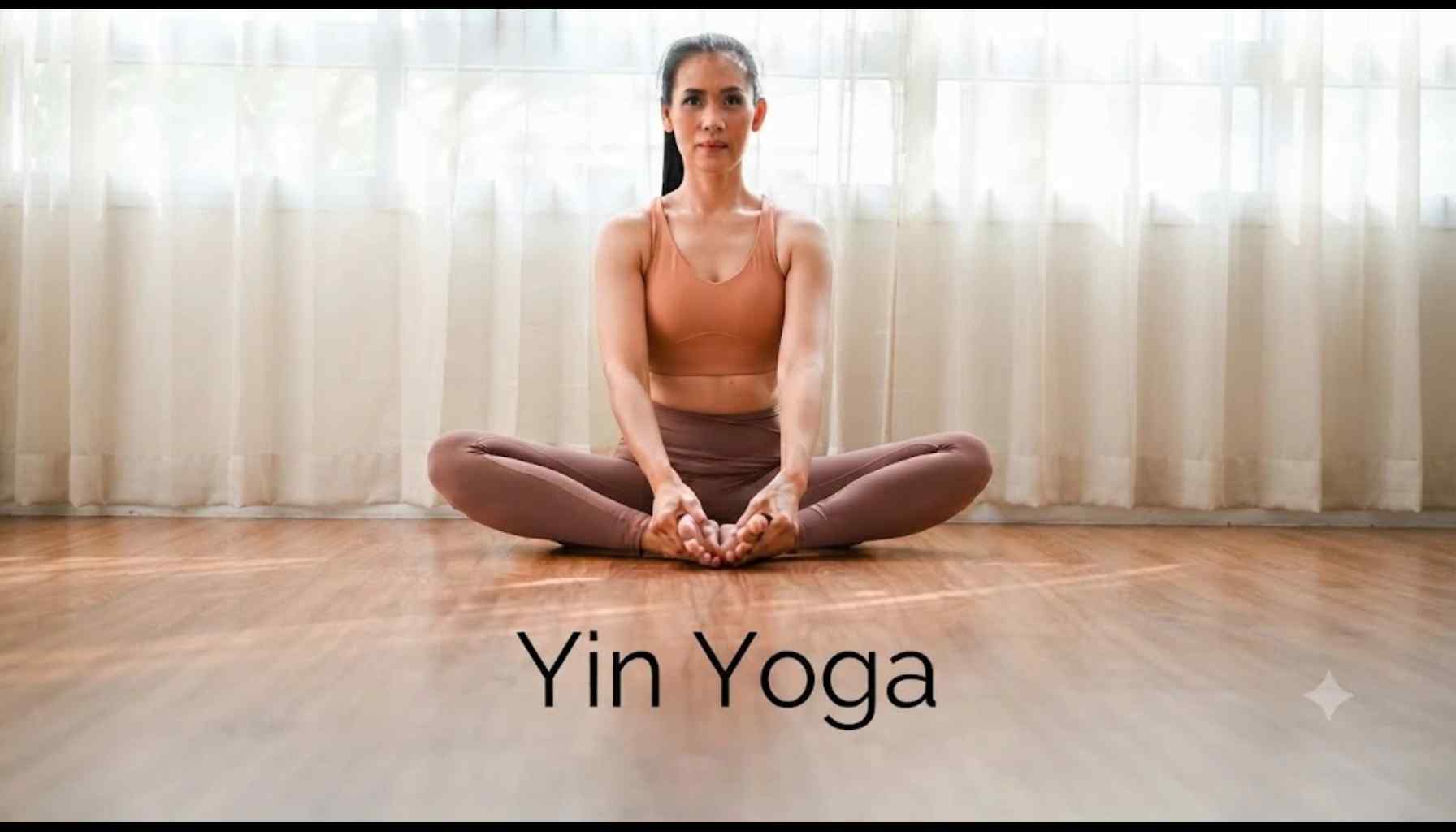
Yin Yoga: Principles and Benefits
Yin Yoga is a slow-paced, meditative style where practitioners hold passive floor postures for extended periods, typically ranging from three to five minutes. This approach targets deep connective tissues, ligaments, and joints rather than surface muscles to improve overall flexibility and joint mobility.
Key Takeaways
- Stillness and patience matter more than flexibility.
- Yin yoga complements active, muscle-based yoga styles.
- Long holds target connective tissue, not muscle.
What Is Yin Yoga?
Yin yoga is a form of yoga where poses are held passively for several minutes at a time, targeting connective tissue rather than muscle. While styles like Vinyasa, which mainly focus on muscular engagement, are much more dynamic, Yin Yoga penetrates into the deeper tissues in the body. This form of yoga is easy from the outside but very challenging from within due to its stillness.
Principles of Yin Yoga
Yin yoga rests on three guiding principles, known as tattvas: finding an appropriate edge in each pose, staying still once that edge is reached, and holding the pose for an extended time so connective tissue can gradually soften and release.
A Brief History
Long-held stretching techniques closely related to Yin yoga trace back centuries in China and Taiwan as part of Daoist practices, sometimes called Dao Yin, later blended with postures from the Indian Hatha tradition to form the Yin yoga practiced today.
Yin Yoga Poses to Try
- Butterfly Pose – Sit with feet together, legs wide, and bend forward at the hips. It stretches inner thighs well. Also, it relieves strain in the lower back.
- Dragon Pose – Start with one leg forward in a low lunge position, bend the back knee, and drop the hips. It stretches hip flexors.
- Sleeping Swan – Begin with one leg forward in a lunge position and angle the shin toward the ground and bend forward over it. It stretches your glutes deeply.
- Caterpillar Pose – Sit with legs straight out in front of you, round your spine, and bend forward over them. It stretches hamstrings and back.
- Reclining Twist – Lie flat on the back and drop the knees to one side using the pull of gravity for deeper stretch. It relaxes the spine and abdomen.
Counter Poses
- Child's Pose – After deep hip openers like Dragon or Sleeping Swan, rest the hips back onto the heels to neutralize the lower back.
- Reclined Bound Angle Pose – After forward folds like Caterpillar, lie back with soles of the feet together to gently open the hips in the opposite direction.
Meditative Poses
- Saddle Pose: While sitting down between your heels, either with your legs apart or together, you lie back on your elbows or back to open up the quads, hip flexors, and front of your body.
- Bananasana: While lying down on your back, you shift your upper body and legs sideways until you create a half moon posture.
Who Benefits Most From Yin Yoga
- Sedentary desk workers benefit from long stretches for tight hips and inflexible lower back.
- Serious athletes rely on their Yin classes to relax and improve joint mobility after all the intense exercises.
- Stressed people receive soothing through deep breaths and relaxation in every pose.
Duration and Frequency: A typical Yin yoga session lasts 45–60 minutes, with poses held for three to five minutes each. Practising two to three times a week is enough to notice improved flexibility and calm.
Yin Yoga vs. Traditional (Yang) Yoga
|
|
|
|
|
|
|
|
|
|
|
|
|
|
|
|
|
|
|
|
|
|
|
|
|
|
|
|
Health Benefits of Yin Yoga
- Increases flexibility by slowly stretching out connective tissues
- Enhances circulation in the body
- Increases range of motion and joint health
- Helps promote better sleep
- Increases the function of the parasympathetic nervous system, helping lower blood pressure and heart rate
- Also improves digestion using twisting postures
Common issues treated by this form include chronic stiffness, mild joint restriction, insomnia caused by stress, and anxiety disorders.
Precautions
- Do not perform deep poses if you suffer from joint hypermobility or ligament problems
- Come out of the pose slowly to avoid dizziness after long holding
- Do not perform intense hip openers during pregnancy without an instructor’s permission
- Never force yourself into pain; a slight feeling is what you are supposed to feel
- Use props such as bolsters or blocks to save vulnerable joints
- Consult your doctor before attending classes if you suffer from arthritis or spine problems
Common Errors
- Considering Yin Yoga a passive stretching class
- Using muscles while holding poses instead of relaxing
- Performing poses for too little time to experience benefits
- Neglecting breathing and wandering in thoughts too much
- Pushing too hard instead of honoring your physical limitations
- Omitting counter poses that bring your body back to balance
To Sum It Up
Yin yoga offers a quiet, deliberate counterpoint to faster-paced fitness routines, working patiently on the body's deepest tissues while training the mind toward stillness. With just a few sessions a week, it can improve flexibility, ease stress, and support long-term joint health, making it a valuable addition to almost any wellness routine.
FAQs
1. What is special about yin yoga?
Yin Yoga targets connective tissue through long, passive holds rather than active muscle engagement.
2. What are the three principles of yin yoga?
Finding your edge, staying still, and holding the pose for an extended time are the three key principles of Yin Yoga.
3. Can yin yoga release trauma?
Many practitioners report emotional release during long holds, though it should complement, not replace, professional trauma care.
4. What does yin stand for in yoga?
Yin represents the passive, grounded, receptive energy in Taoist philosophy, opposite to active Yang energy.
Also Read: Kagasana
By Umesh Kumar Khiri

Discussion (0)
No comments yet. Be the first to comment!
Leave a Comment
You need to login to post a comment.