Yoga for Digestion: Simple Poses for Gut Health
Yoga for digestion is an effective and holistic method that helps to reduce stomach bloat, poor digestion, acid indigestion, and excessive gas caused by poor dietary practices, an inactive lifestyle, and the stresses of modern life. The reason for constant problems with digestion lies in tight abdominal muscles, poor circulation to viscera, and an overexcited nervous system. Incorporating certain movements in your routine will help you decompress the abdominal area, massage internal organs, and aid in gentle elimination.
Practising yoga for digestion before meals or after work regularly can be helpful for your stomach. Spending just ten minutes doing gentle yoga for digestion before bedtime can significantly enhance nighttime gut motility and comfort.
Key Takeaways
- Natural Bloating & Gas Relief: Daily practice gently compresses the digestive tract to release trapped air and ease lower belly discomfort.
- Gentle & Accessible Poses: Simple movements like Wind-Relieving Pose and Seated Twists massage the intestines without placing undue strain on the body.
- Mind-Gut Harmony: Taking 5 to 10 minutes for mindful breathing stimulates the parasympathetic nervous system, easing stress-induced stomach cramps.
Benefits of Yoga for Digestion
Regular practice of gentle yoga for digestion ease persistent bloating and encourages healthier bowel movements.
Some of the benefits of regular sessions of yoga that improve digestion are as follows:
- Increased Blood Supply in the Abdominal Cavity: Bending and twisting exercises promote increased blood supply to the stomach, liver, and intestines.
- Relieving Stress-Derived Discomfort: Deep breathing relaxes the vagus nerve, which connects the brain and the gut directly, thus relieving symptoms of stress-induced intestinal disorders such as IBS.
- Promoting Peristalsis: Specific yoga poses aid in triggering the smooth muscle contraction necessary for efficient and easy defecation.
- Proper Posture for Improved Digestion: Creating space in the abdomen through stretching prevents any kind of compression of the digestive organs after meals.
Best Poses of Yoga for Digestion
Below is a table highlighting four simple poses designed to relieve gut discomfort and improve overall motility:
|
|
|
|
|
|
|
|
|
|
|
|
|
|
|
|
|
|
|
|
|
|
|
|
|
Step-by-Step Instructions
1. Pawanmuktasana (Wind-Relieving Pose)
- Step 1: Begin by lying face-up on the floor with your legs straightened and arms lying beside you.
- Step 2: Bending your knees, bring your feet closer to your body as you exhale deeply.
- Step 3: Wrap your hands around the shins and lift your thighs close to the abdomen.
- Step 4: Maintain this position as you breathe deeply from your diaphragm.
2. Ardha Matsyendrasana (Half Lord of the Fishes Pose)
- Step 1: Sit with your spine erect and your legs stretched out in front of you on the floor.
- Step 2: Fold your right leg over your left leg so that your right foot is touching the floor outside your left knee.
- Step 3: Put your right palm on the floor behind you, supporting your back, and then take a deep breath, stretching your spine.
- Step 4: Take a deep breath and rotate your body to the right side, and place your left elbow around your right knee.
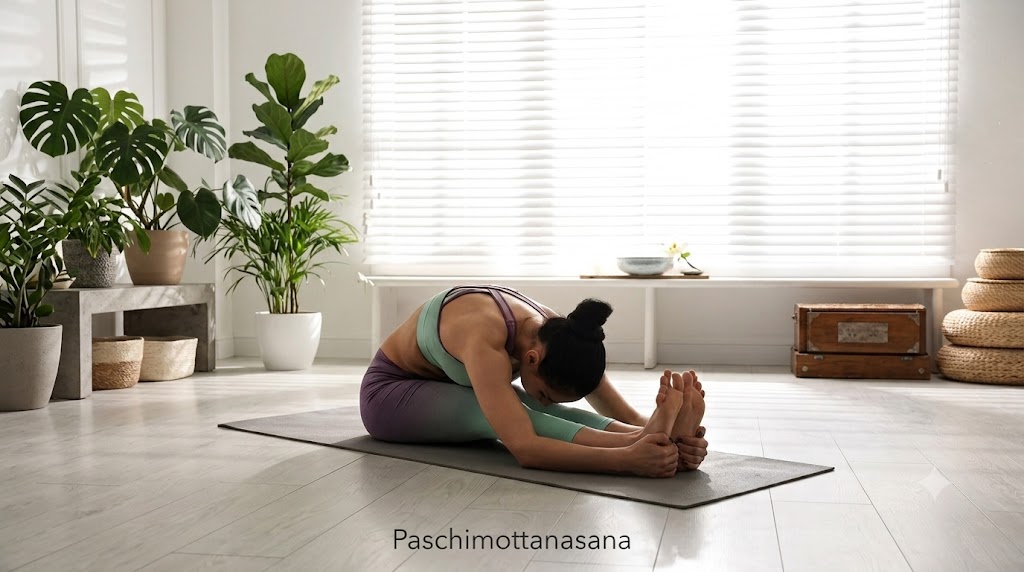
3. Paschimottanasana (Seated Forward Bend)
- Step 1: Sit erect on your yoga mat with legs stretched out straight in front and your toes pointing up.
- Step 2: Breathe in deeply while stretching your arms straight up to elongate your spine.
- Step 3: Breathe out and bend forward from your hips, maintaining the elongation of your back as you bend forward.
- Step 4: Place your hands on your shins, ankles, or feet and breathe steadily.
4. Supta Baddha Konasana (Reclined Bound Angle Pose)
- Step 1: Sit down on the yoga mat, bring your knees to a bent position, and place the soles of your feet touching each other.
- Step 2: Lower your body slowly until your back is flat on the mat.
- Step 3: Let your knees fall down towards the sides in a natural manner.
- Step 4: Place your hands on your abdomen, close your eyes, and breathe deeply using the technique of diaphragm breathing.
Additional Gentle Yoga for Digestion
a. Vajrasana (Thunderbolt Pose)
- Primary Benefit: Kneeling in this position diverts blood flow away from the legs and directly into the stomach area, accelerating post-meal digestion and preventing acid reflux.
- Step-by-step: Kneel on your mat with your big toes touching and knees together, sitting back comfortably on your heels with an upright spine and hands resting on your thighs.
b. Dhanurasana (Bow Pose)
- Primary Benefit: Applies direct, gentle pressure to the entire abdomen, stimulating the liver and pancreas while massaging the intestines to relieve constipation and gas.
- Step-by-step: Lie face down, bend your knees to bring your feet toward your buttocks, reach back to hold your ankles, and lift your chest and thighs off the floor on an inhale.
c. Apanasana (Knees-to-Chest Pose)
- Primary Benefit: Relieves lower abdominal pressure, releases trapped air, and eases tension in the lower back and pelvic floor.
- Step-by-step: Lie flat on your back, exhale as you draw both knees close to your chest, wrap your arms around your shins, and breathe deeply into your belly.
d. Bhujangasana (Cobra Pose)
- Primary Benefit: Stretches the front abdominal wall, releases tension in the stomach, and stimulates the digestive organs to support healthy peristalsis.
- Step-by-step: Lie face down with palms placed under your shoulders, press through your hands to gently lift your chest off the mat while keeping your hips grounded and shoulders back.
Final Thoughts
Yoga for digestion is not just a fleeting fix to a problem; it is an enduring process of empowerment that enhances the connection between your mind and your gut. Yoga involves moving your body in particular ways in coordination with breathing exercises that give your organs room to breathe and receive proper circulation.
Incorporating gentle twisting postures through yoga for digestion improves blood flow to essential intra-abdominal organs. Practising these easy poses on a regular basis can help you avoid accumulating tension and prevent bloat and sluggishness.
Frequently Asked Questions (FAQs)
1. How soon after eating can I practice yoga for digestion?
It is best to wait at least 1.5 to 2 hours after a light meal and 2 to 3 hours after a heavy meal before performing active postures to avoid discomfort or acid reflux.
2. Can yoga help relieve chronic constipation?
Yes, gentle abdominal compression and spinal twisting poses stimulate peristalsis, the involuntary muscle contractions that move waste smoothly through the intestines.
3. Is yoga effective for stress-induced digestive issues like IBS?
Regular yoga for digestion activates the parasympathetic "rest-and-digest" nervous system, lowering stress hormones that frequently trigger stomach cramps and flare-ups in conditions like Irritable Bowel Syndrome (IBS).
4. Which poses should I avoid when experiencing severe gut distress?
Avoid intense backbends or heavy abdominal strain postures (like Wheel Pose or Full Bow Pose) during acute flare-ups, opting instead for restorative folds and gentle reclined positions.
5. What asanas help with digestion?
The asanas that can be considered helpful for the digestive system are those that use gentle forward bends, abdominal compressions, and gentle twists, including Pawanmuktasana (Wind-Relieving Pose), Ardha Matsyendrasana (Half Lord of the Fishes), and Paschimottanasana (Seated Forward Bend).
Also Read: Yoga for period cramps
By Umesh Kumar Khiri
.png)


Discussion (0)
No comments yet. Be the first to comment!
Leave a Comment
You need to login to post a comment.